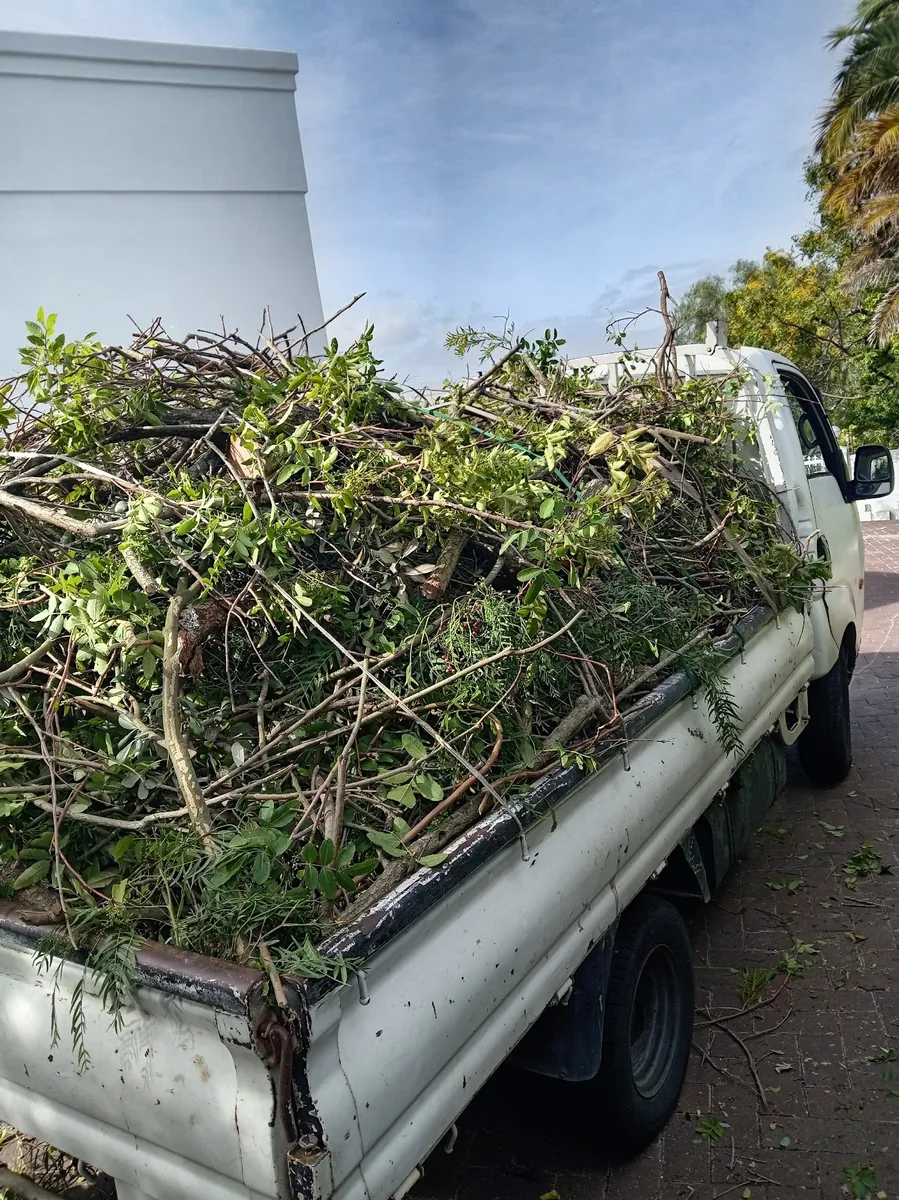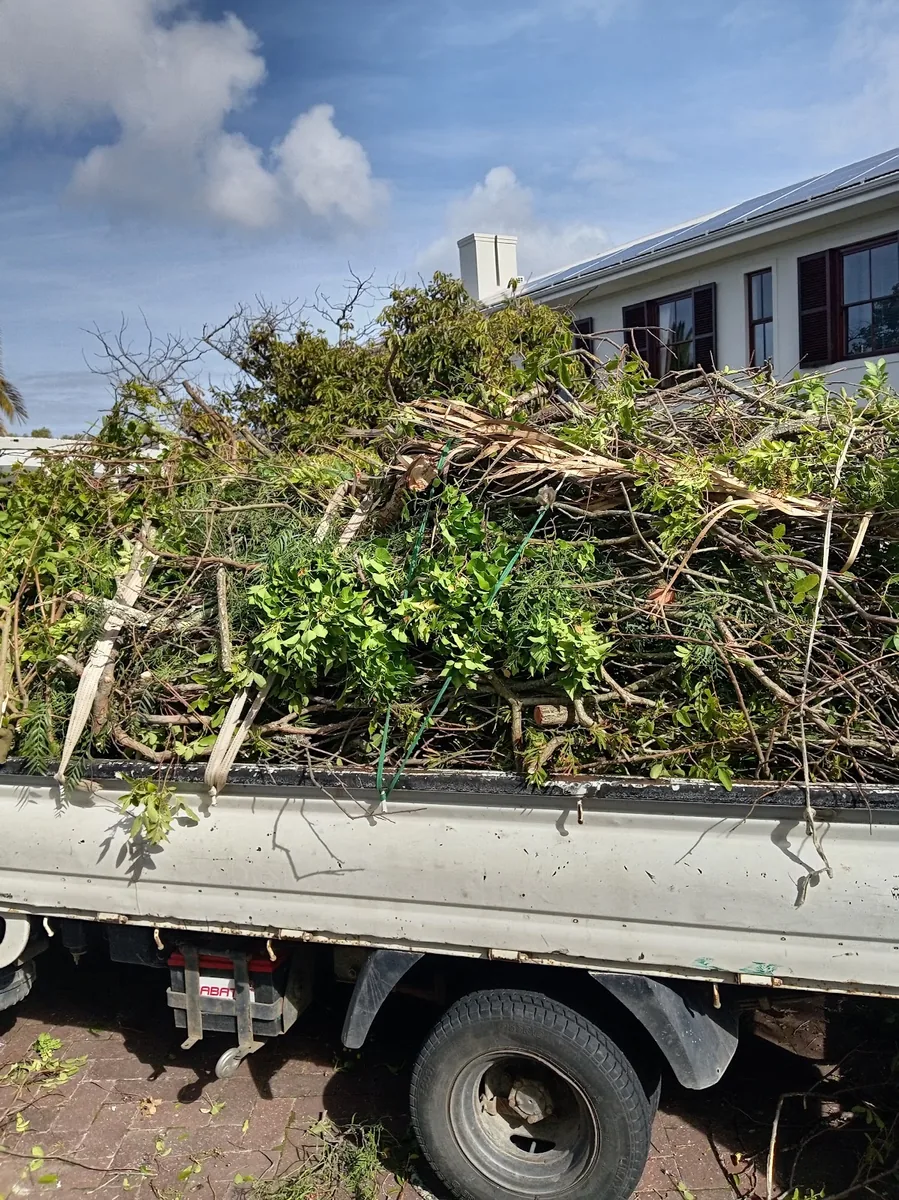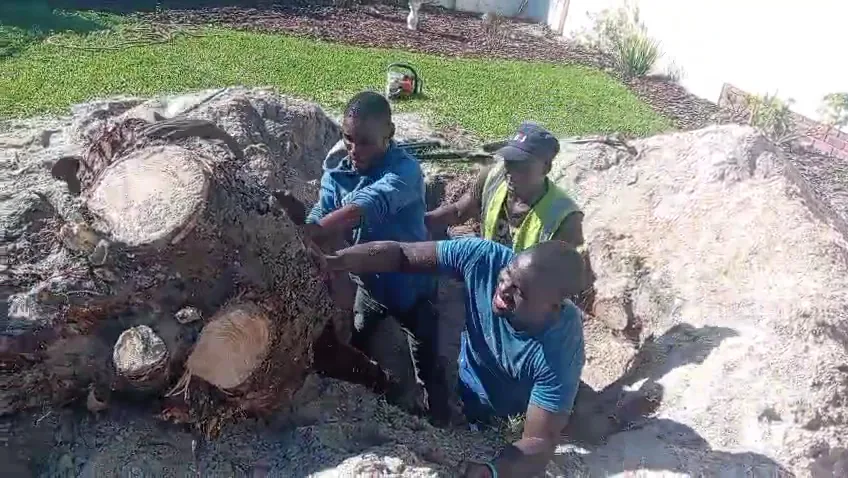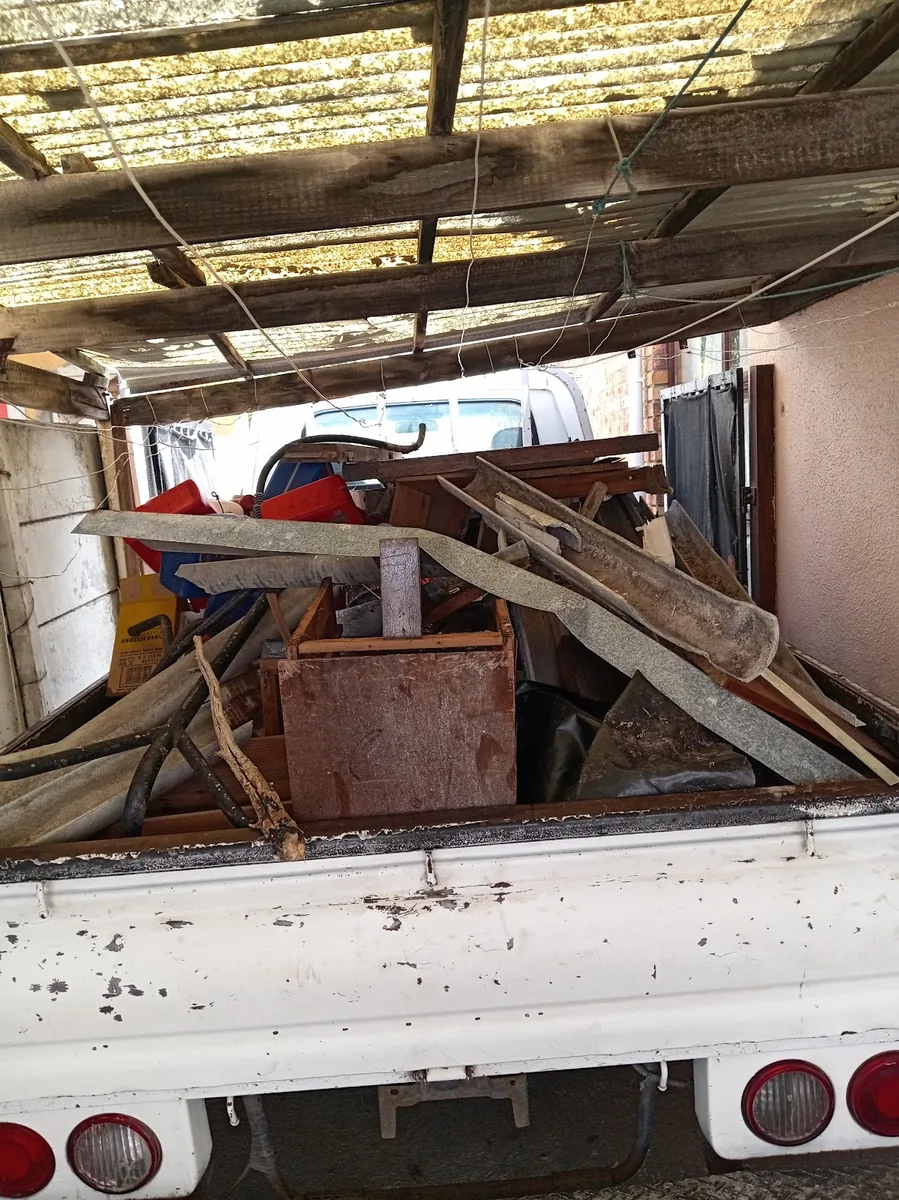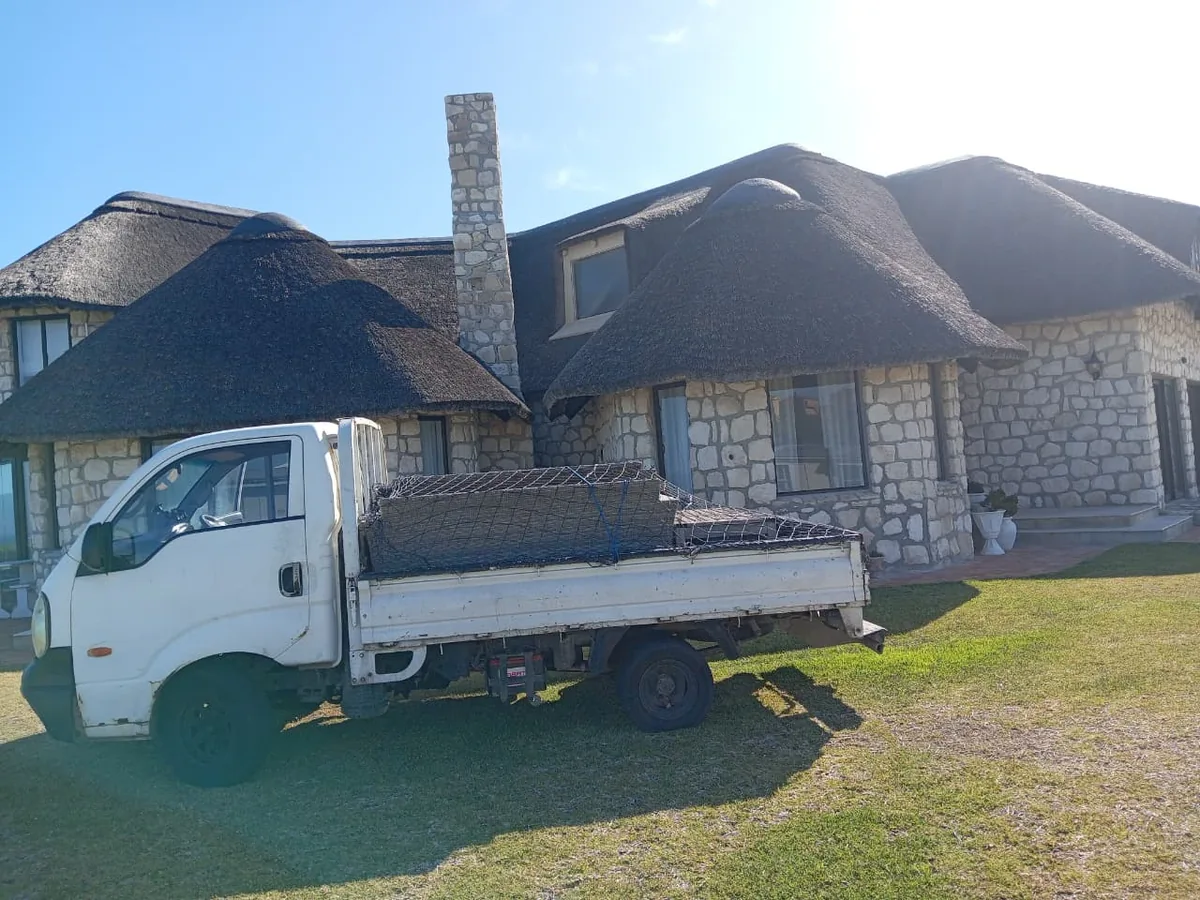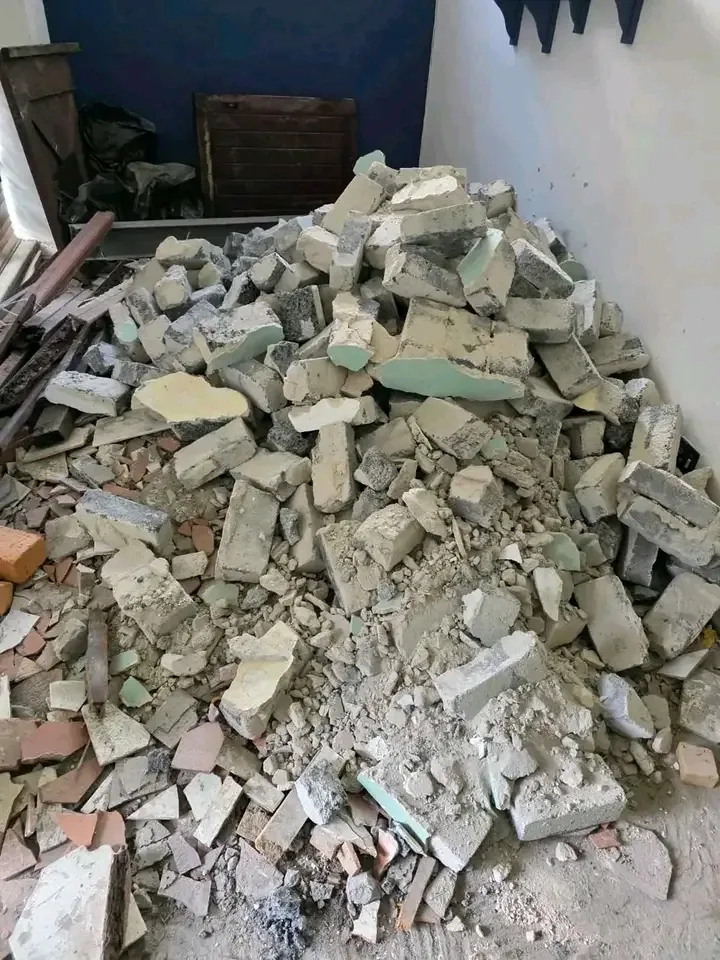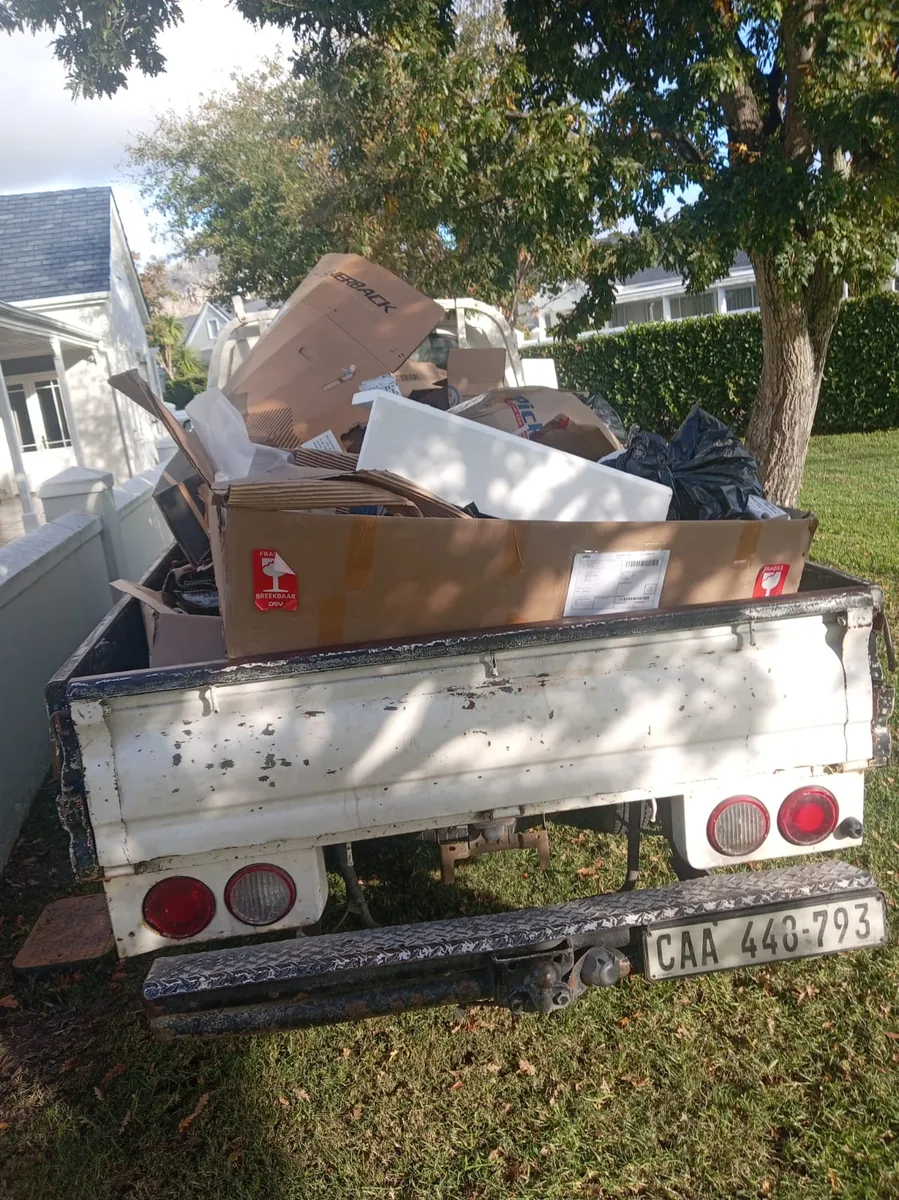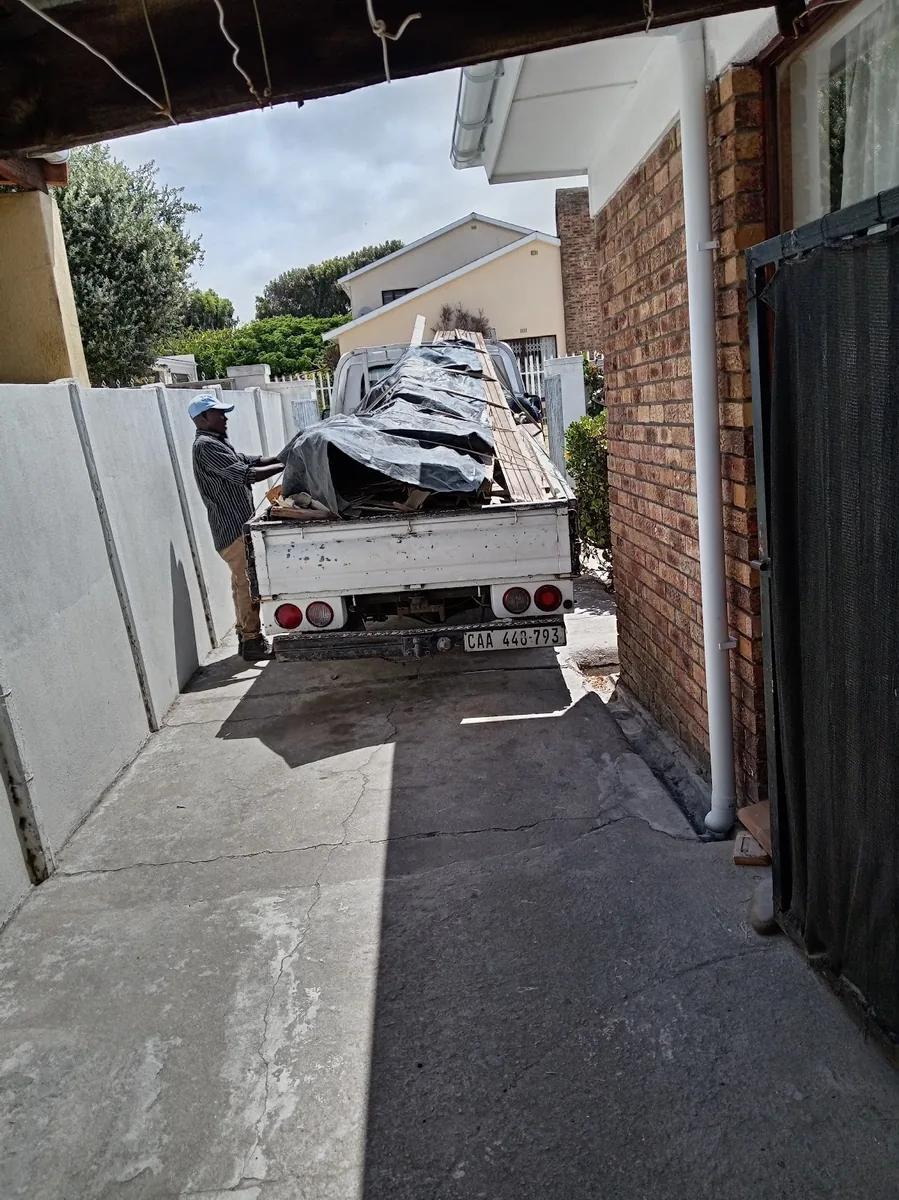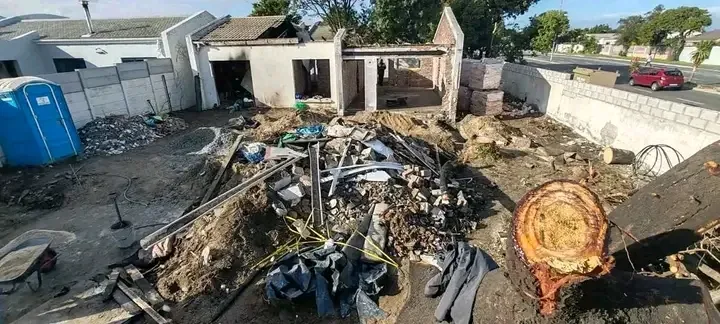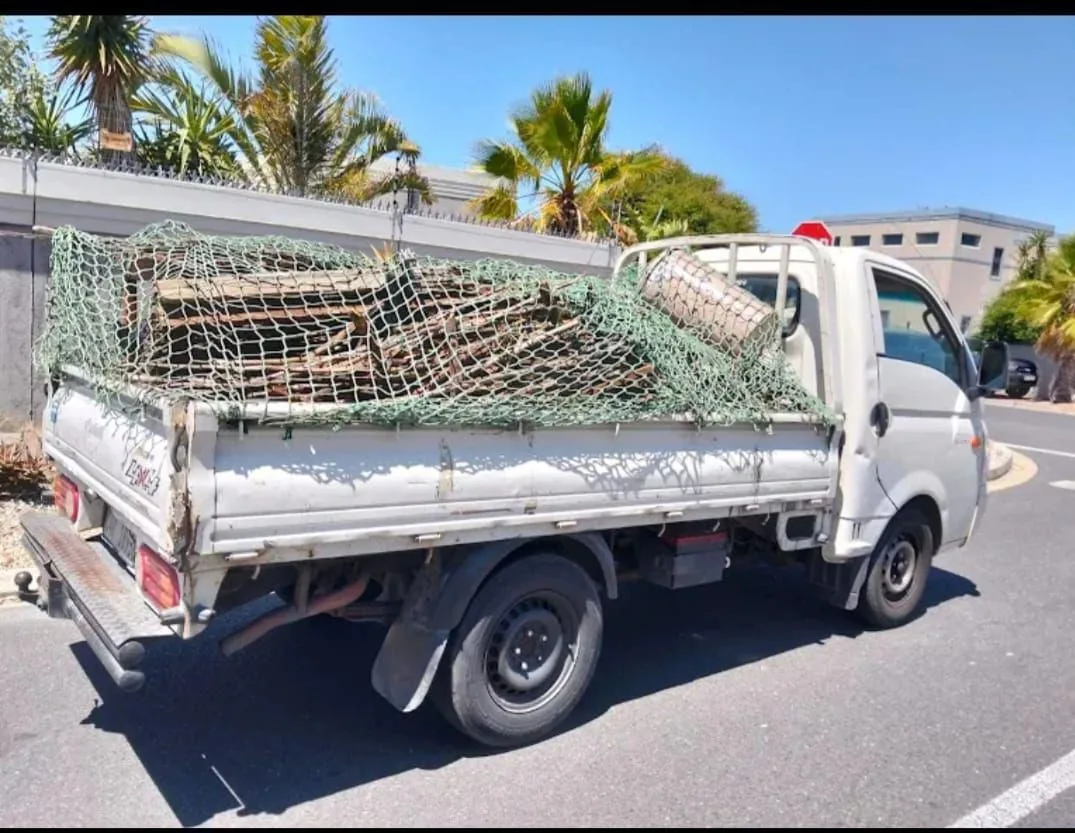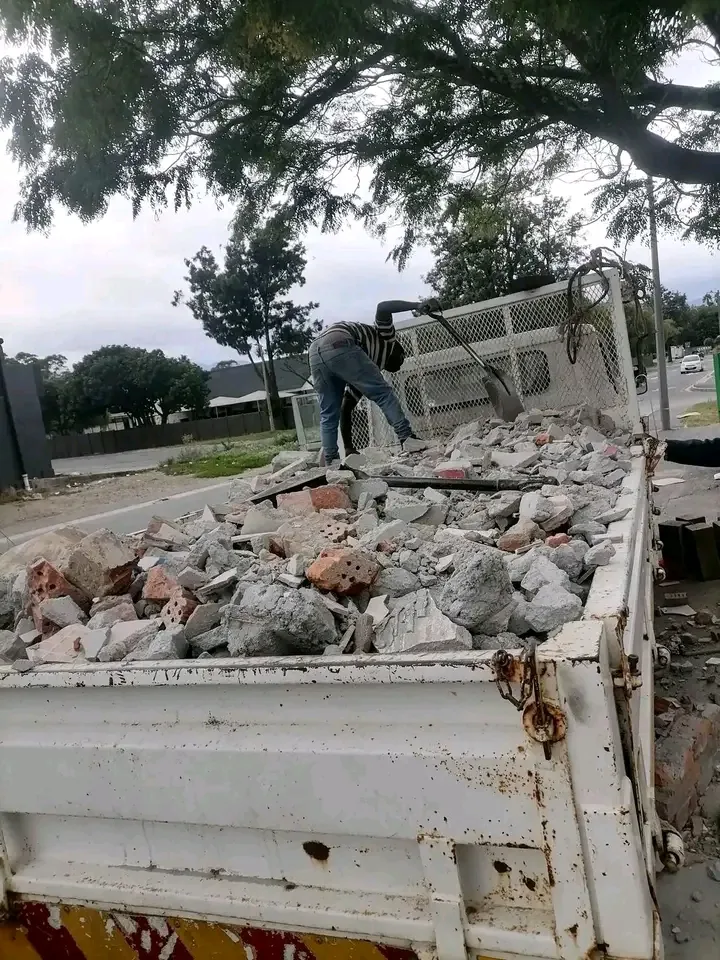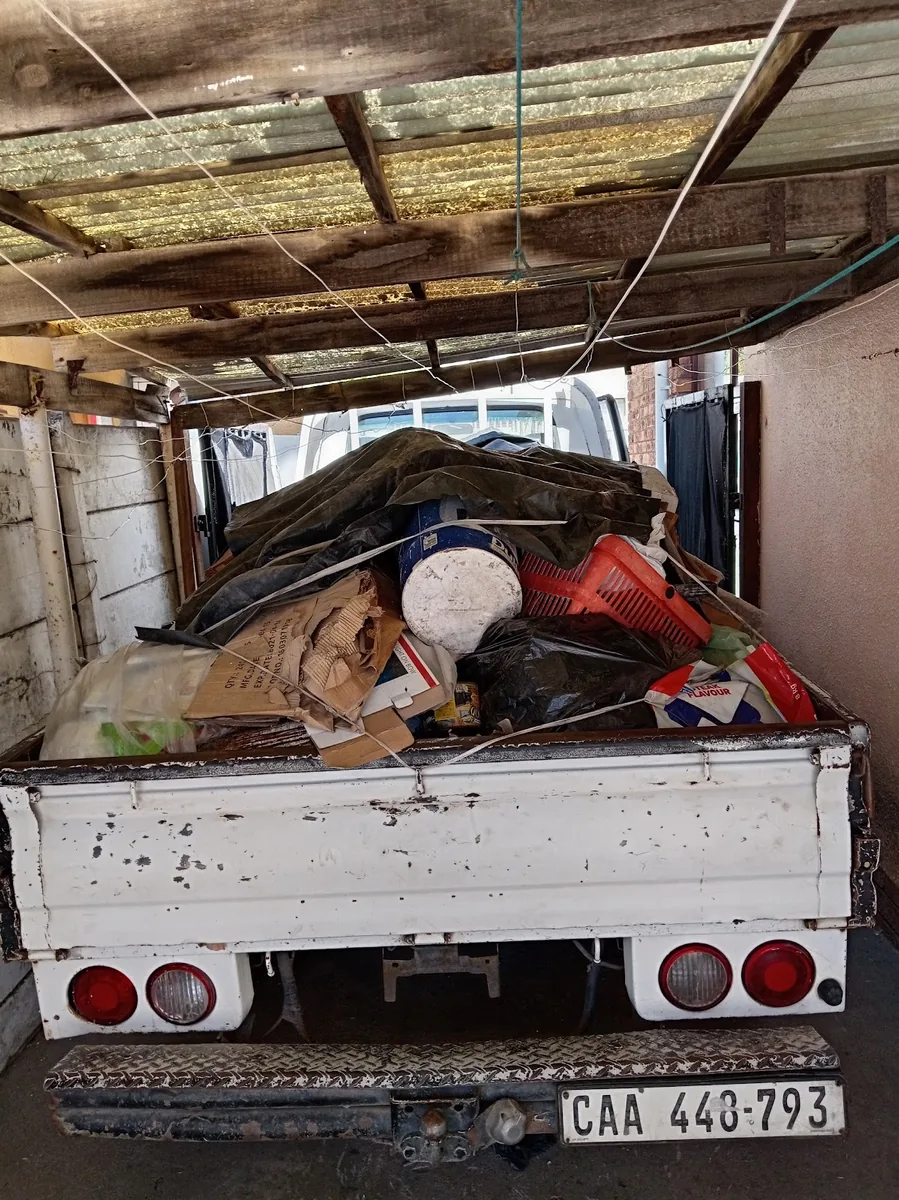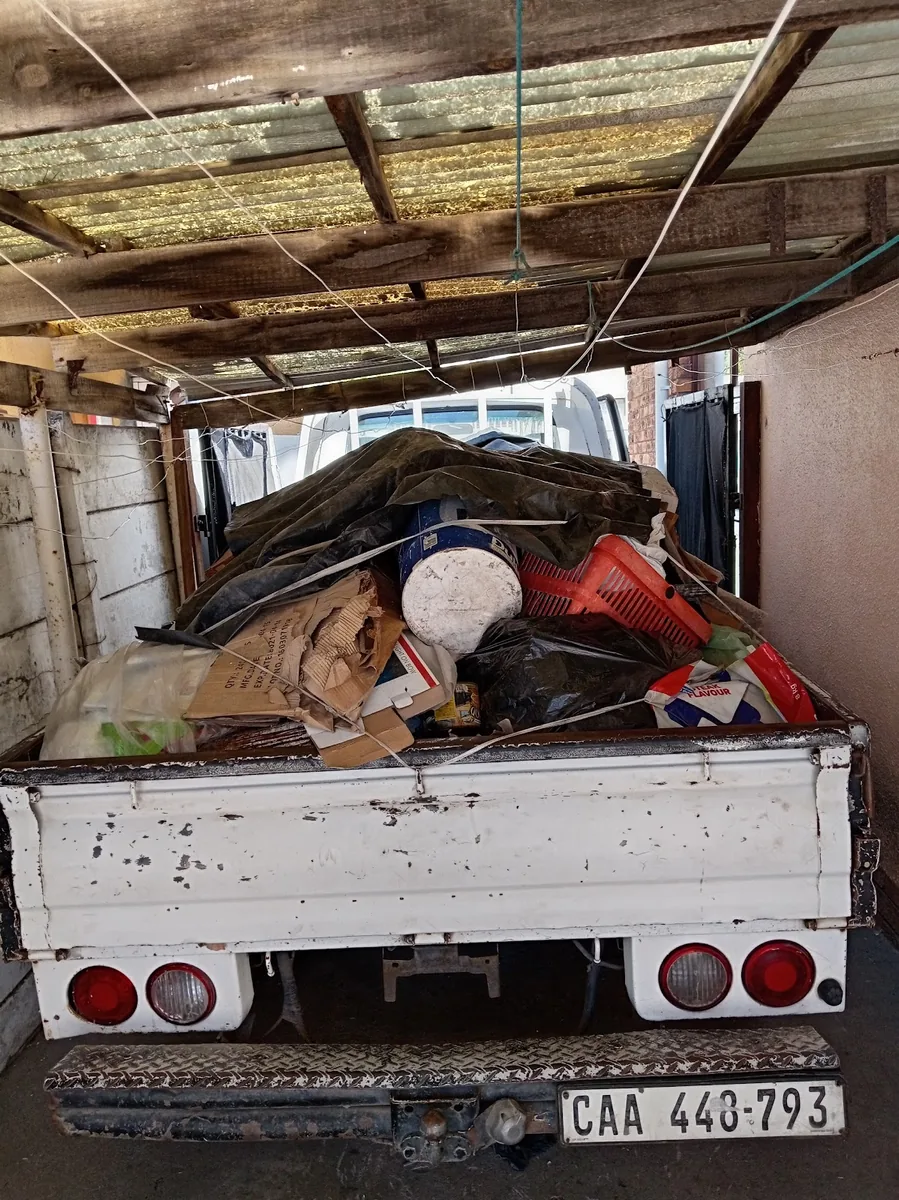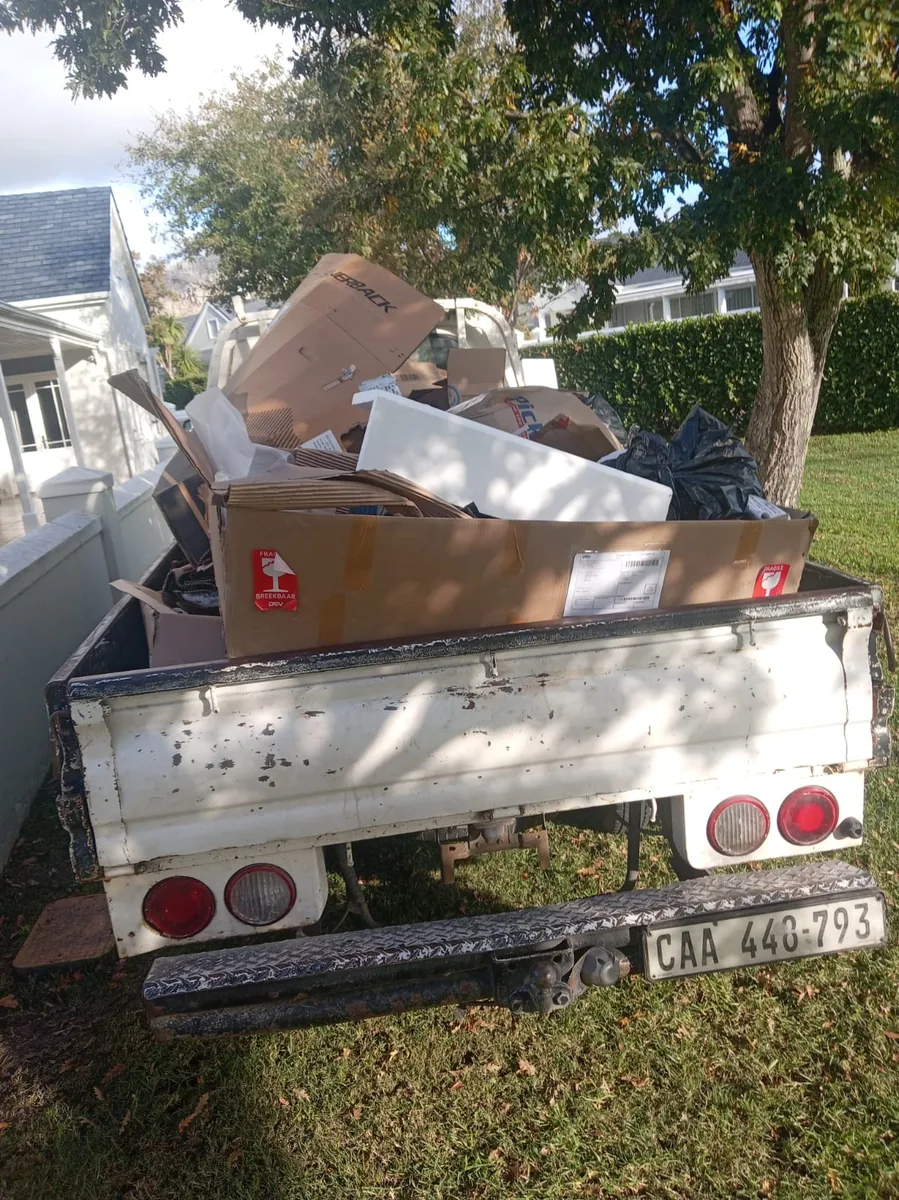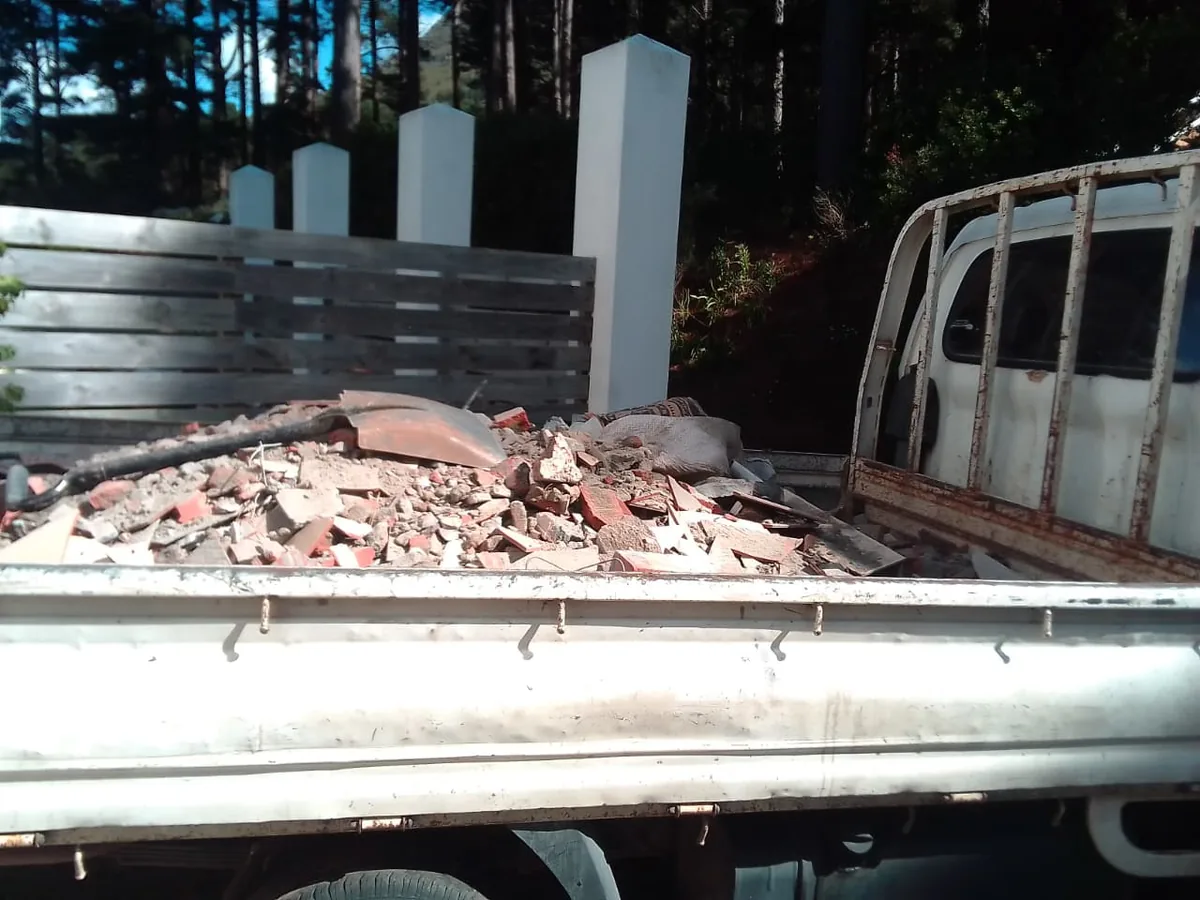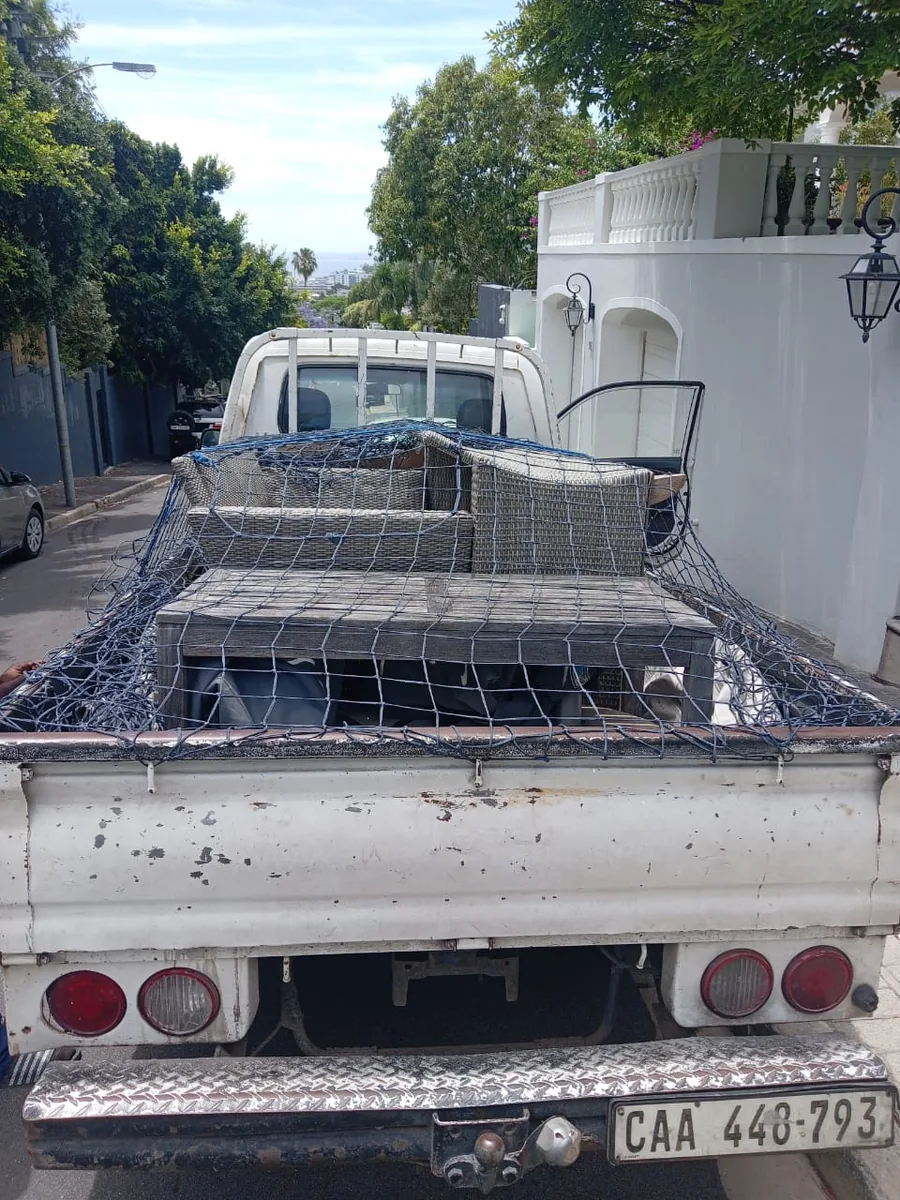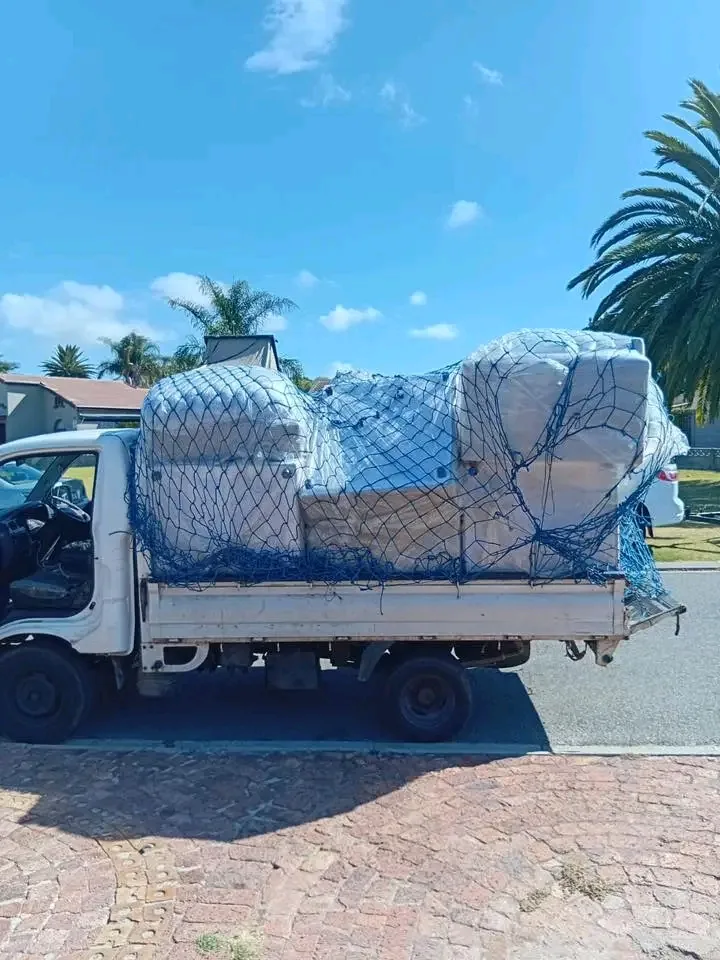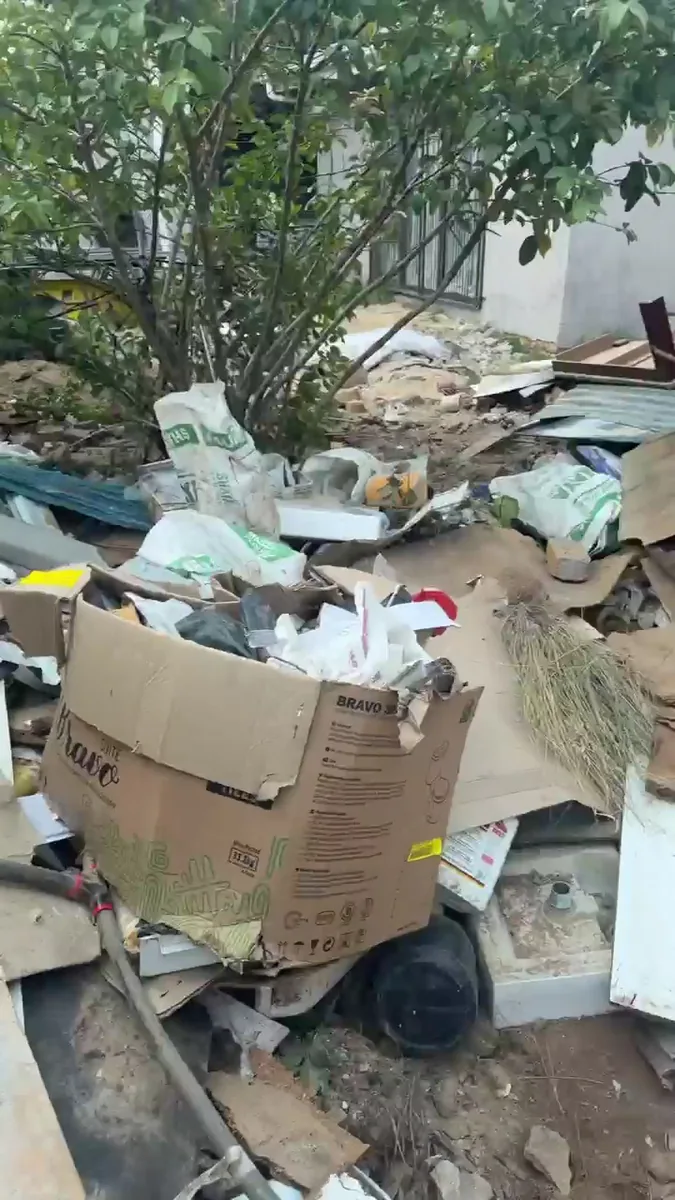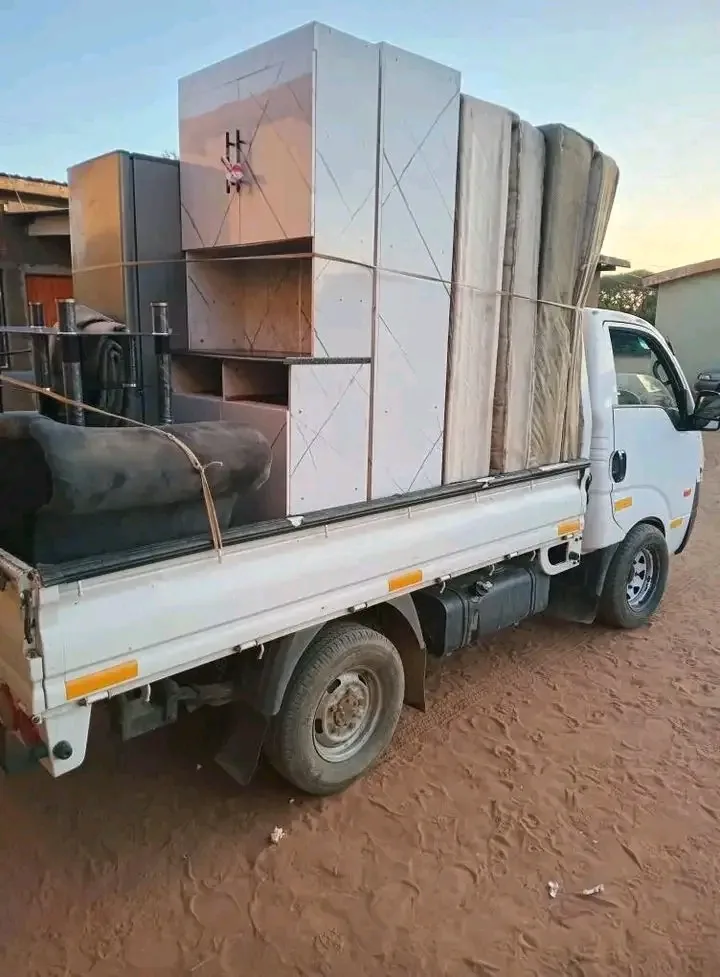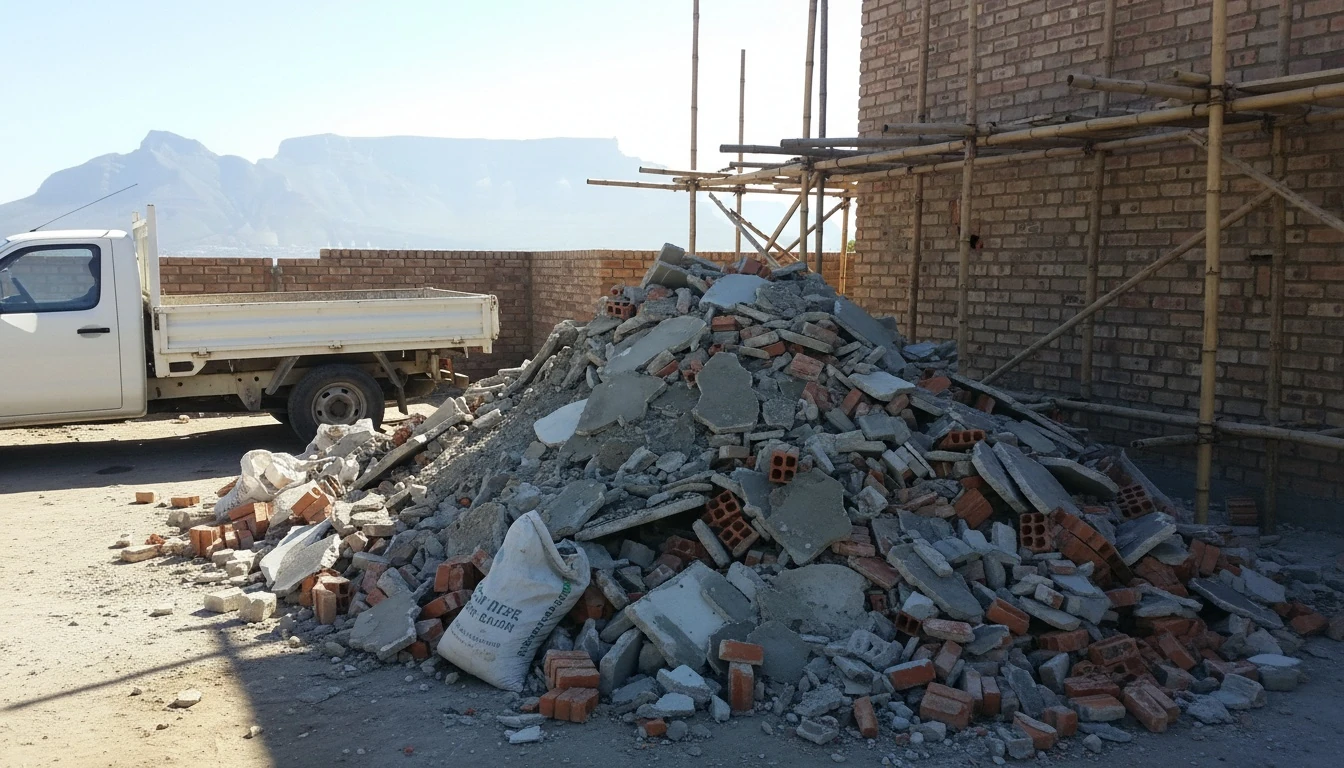
Building rubble removal in Cape Town is its own discipline — nothing like clearing a garden or a garage. On an active site you're dealing with mixed concrete, brick offcuts, plaster, broken tiles, packaging and the odd length of timber, all of it generated faster than a skip fills. Get the sorting and the disposal route right and the job is cheap and legal. Get it wrong and you're paying a higher tariff, or risking a fine. This is the trade-side guide: what the material actually is, where it's allowed to go, and how a crew clears it around a build that's still running.
Key takeaways
- "Clean" builders' rubble is inert only — concrete, brick, sand, stone, cement, plaster. The moment paper, plastic, wood or metal mixes in, it's reclassified.
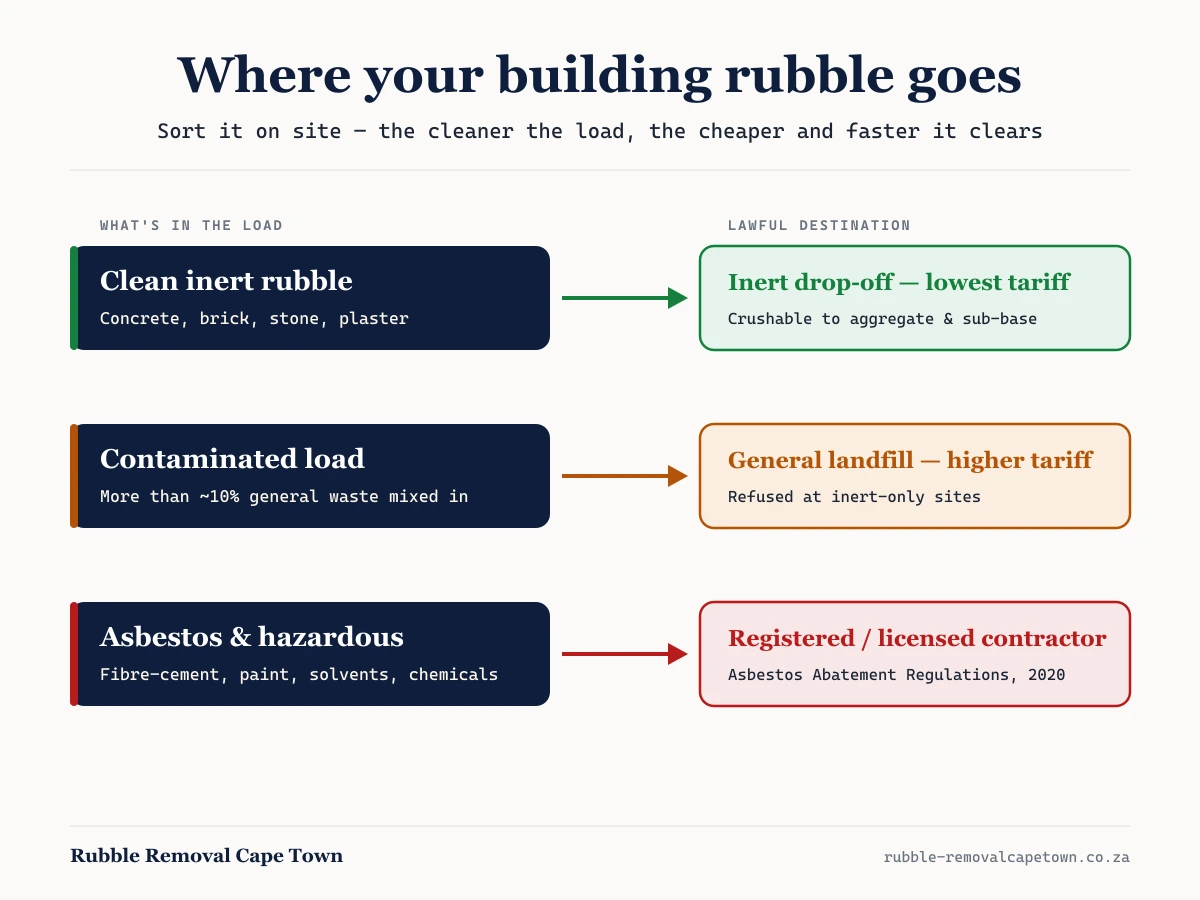
- The City of Cape Town treats a load contaminated beyond roughly 10% as general waste — a higher disposal tariff, or a refused load at an inert-only site.
- Illegal dumping of building waste carries fines, vehicle impoundment and a possible criminal record under the City's waste by-law.
- Asbestos can never go in a rubble load — it's a registered-contractor job under the 2020 Asbestos Abatement Regulations.
- Sorting at source is the single biggest lever on what a clearance costs.
What counts as building rubble on a Cape Town site?
Not everything in the skip is "rubble" in the eyes of a landfill. The City sorts construction and demolition material into three buckets, and which bucket your load lands in decides where it can go and what it costs to tip.
Clean inert rubble
Concrete, brick, sand, stone, cement and plaster. Chemically stable, won't rot or leach. This is the cheapest stream to dispose of and the only one accepted at inert-only drop-offs.
Mixed C&D waste
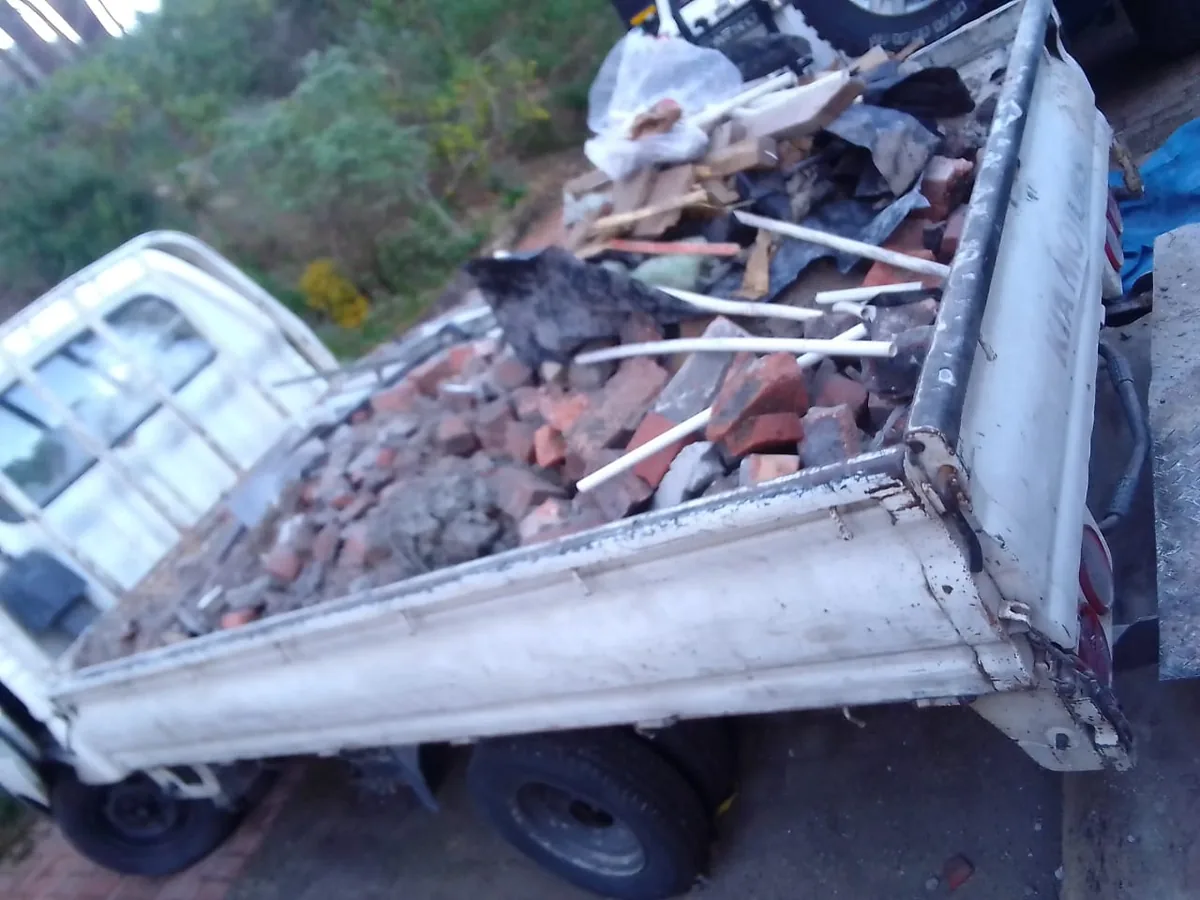
Rubble with packaging, plastic sheeting, offcut timber, glass, insulation or metal mixed through it. Routes to a general-waste landfill and is charged at the higher tariff because it can't be cleanly recycled.
Special handling
Asbestos-cement sheeting, treated timber, paint, solvents, contaminated soil. None of this belongs in a rubble load — it needs a dedicated, often licensed, disposal route.
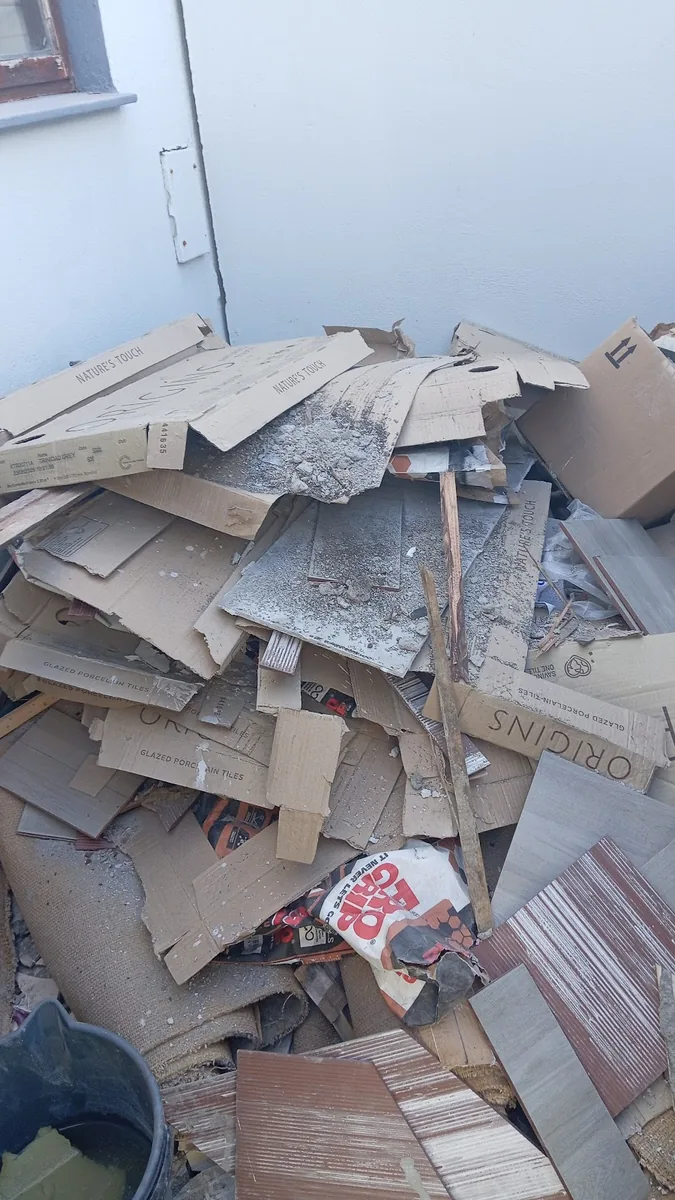
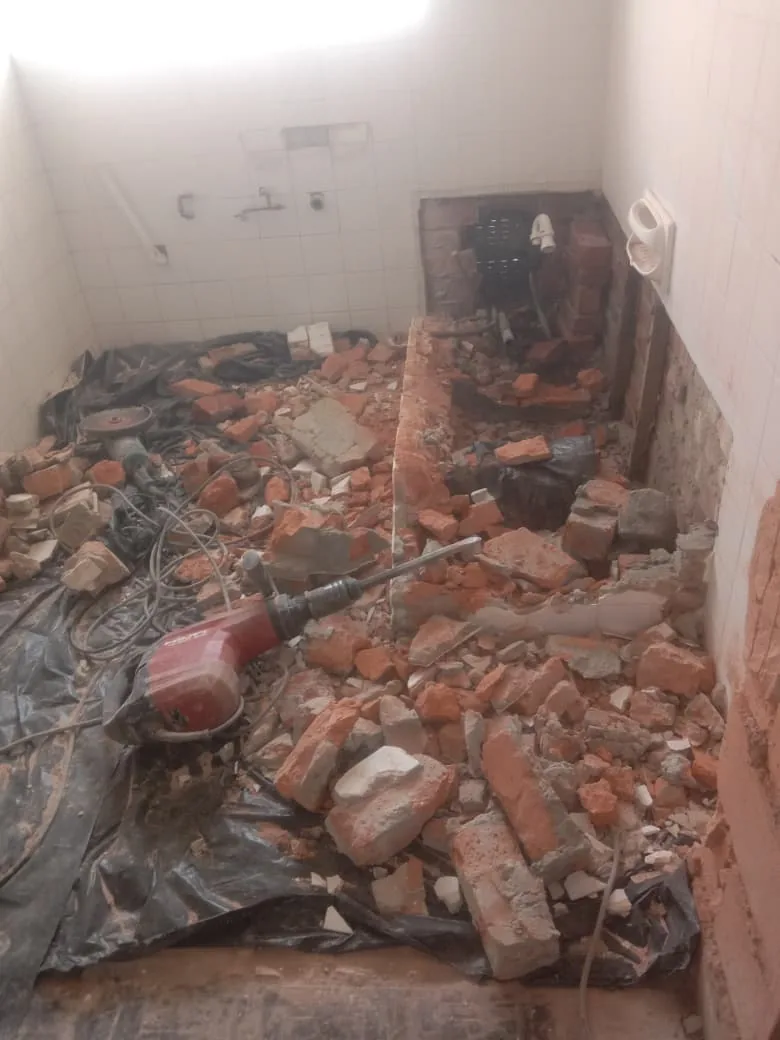
On a renovation the streams arrive jumbled, which is exactly why the sort matters. A bathroom strip-out produces clean tile-and-screed rubble alongside plastic packaging and a rotten cabinet carcass — three different destinations from one room.
Clean vs contaminated rubble — and why mixing costs you more
The single rule that drives a builder's disposal bill: keep the inert rubble clean. Once general waste is mixed through a load past about a tenth of its volume, the whole load is reclassified as general waste — and the tipping tariff jumps with it.
Sorted clean load
Concrete and brick only, no contaminants. Tips at the inert rate, can go to the nearest drop-off that takes clean rubble, and a portion is recoverable as crushed aggregate. Fastest to load, cheapest to dump.
Contaminated load
More than ~10% general waste mixed in. Reclassified as mixed waste, charged the higher general-waste tariff, refused outright at inert-only sites, and diverted the long way to a general landfill. The same cubic metre costs you more.
That's why a good crew sorts on the ground rather than shovelling everything into one heap. A skip of clean concrete parked next to a separate pile of packaging and timber is worth real money against one contaminated mountain.
Where building rubble can legally go in Cape Town
Under the City of Cape Town's Integrated Waste Management By-law, "building waste" — the rubble, earth, rock and material left by construction, alteration, repair or demolition — may only go to a facility authorised to receive it. The national frame above the by-law is the National Environmental Management: Waste Act (NEMWA, Act 59 of 2008), which sets which class of landfill may take which waste. Tipping it on a verge, an empty plot or a riverbank isn't a shortcut — it's an offence.
Illegal dumping — what it costs
The City's by-law treats dumping building waste in an unauthorised place as a serious offence. Penalties the City has publicised include fines (cited at up to R5,000), impoundment of the vehicle used to carry the load, and the prospect of a criminal record. For a builder, the reputational and operational hit of a confiscated bakkie dwarfs the cost of doing it properly. The City's drop-off and landfill directory sets out which facilities accept rubble and on what terms.
Skip, tipper or same-day collection — matching removal to your site
Three formats cover almost every Cape Town build. The right one depends on how fast the rubble is being generated, how long it can sit, and whether a container can stand on the verge without blocking access or breaching the body corporate's rules.
| Format | Best for | Watch-outs |
|---|---|---|
| Skip on site | A build running over days or weeks, steady rubble flow, room to stand a container. | Needs legal standing space; the public can fill it overnight; contamination risk if left open. |
| Tipper / truck load | A demolition or strip-out that produces a large volume in one go. | Needs the pile staged and accessible so loading isn't a half-day on its own. |
| Same-day collection | A finished phase, a handover deadline, or rubble that can't sit on a tight site. | Carries an urgency premium; book the quieter mid-week morning slots where you can. |
For a build that's ongoing, a skip swapped on call usually wins. For a knock-down that drops ten cubic metres in an afternoon, a tipper that takes it in one or two loads is faster and cleaner than a skip you'd have to empty repeatedly.
How a site clearance runs around an active build
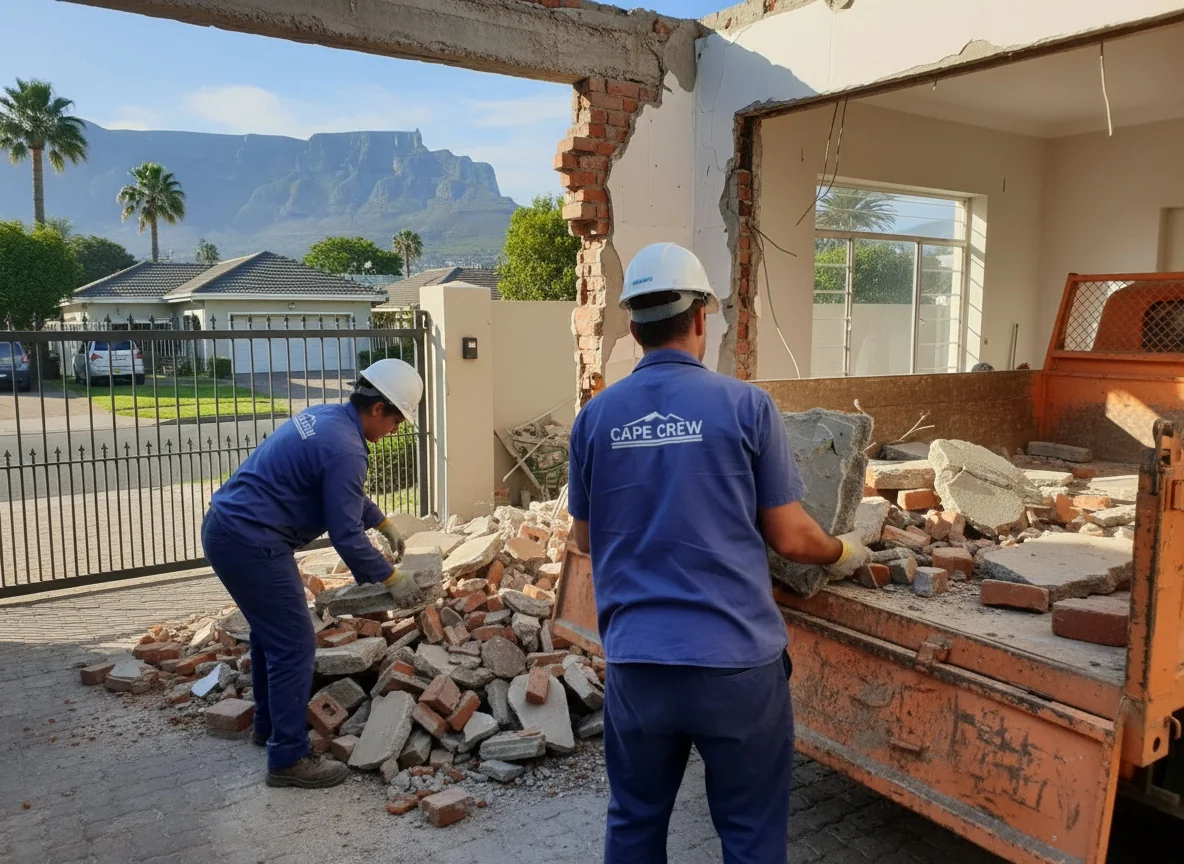
Clearing rubble off a live site is a logistics problem, not just a muscle one. The crews that are quick and cheap are the ones that plan access before they arrive.
Stage it near the access point
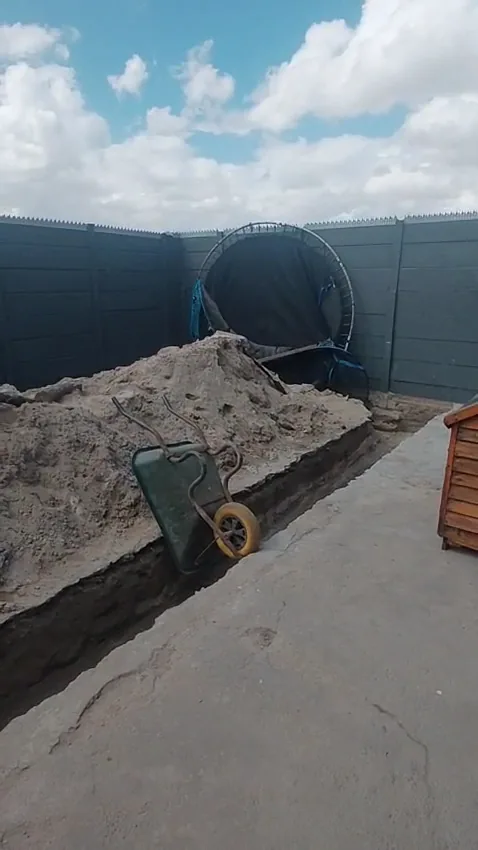
Rubble wheelbarrowed to the gate before the truck arrives loads far quicker than a pile behind a half-finished wall. Every metre the crew doesn't carry is time off the bill.
Sort while you stage
Clean rubble in one heap, general waste in another. The sort costs nothing on a build where material is already being moved, and it protects the inert tariff.
Clear access and parking
A truck that can pull up to the pile beats one parked two properties down. On sectional-title or estate jobs, book the gate and clear the aisle first.
Time it mid-week
Drop-offs and landfills are quieter Tuesday to Thursday morning, and crews aren't rushing a Friday backlog — the slot is cheaper and the turnaround tighter.
Asbestos and the materials we can't move
Older Cape Town homes and commercial buildings still hide materials that can't be touched by a general rubble crew. Pull these out of the scope before the demolition starts — finding them mid-job stops everything.
Asbestos-cement
Old fibre-cement roof sheets, ceilings, gutters and pipes. Under the Asbestos Abatement Regulations of 2020, removal is only legal by a contractor registered with the Department of Employment and Labour, working to an approved plan. It never goes in a rubble load.
Hazardous & chemical
Paint, solvents, adhesives, treated or creosote timber, contaminated soil. These are hazardous waste, not rubble, and route to a licensed hazardous facility — never an inert drop-off or a general landfill.
Everything else off a standard build — the concrete, brick, plaster, tile and clean offcuts — we move all day. The line is simple: if it's inert and stable, it's rubble; if it's hazardous, it needs a specialist.
Why builders work with one rubble removal partner
The contractors who keep a site clean and a schedule intact tend to stop shopping the rubble run job by job and settle on one crew that knows their patch. A partner who already understands your access, your sorting and your deadlines turns clearance from a daily headache into a phone call — and keeps the disposal compliant without you having to think about it. It's the same rubble removal across Cape Town a homeowner books, run to a trade tempo. If you're still deciding what even counts as builders' rubble versus the green waste off the same plot, here's how the two streams differ and why they're priced apart.
Clearing a site this week? Send a photo of the pile and a suburb through the quote form and you'll get an all-in figure back — loading and tipping included, with no quote-creep when the truck arrives.
Frequently asked questions
What is building rubble?
It's the inert material left by construction, alteration, repair or demolition — mainly concrete, brick, sand, stone, cement and plaster. Clean rubble excludes wood, plastic, metal, glass and anything hazardous.
What is the cheapest way to get rid of rubble?
Keep it clean and sorted. A clean inert load tips at the lowest tariff and loads fastest, so a sorted pile staged near access is always cheaper to clear than a mixed, scattered one.
What should I do with construction rubble?
Sort it into clean rubble, mixed waste and anything hazardous, then route each to an authorised facility — or have a removal crew do the lot. Never tip it in an unauthorised place.
Can you recycle building rubble?
Clean concrete and brick can be crushed and reused as aggregate or sub-base, which is why keeping rubble uncontaminated matters. Mixed loads lose that recovery value and go to landfill.
How do I estimate demolition debris?
Work in cubic metres, not weight. A single-room strip-out is usually 2–4m³; a small structure demolition climbs into the 8–12m³ range. A photo and rough dimensions let a crew size the truck.
Can building rubble go to any dump?
No — only facilities authorised to take building waste, and inert-only drop-offs reject contaminated loads. Always confirm what a given site accepts before you load.
Keep reading
Bulky Waste Collection Cape Town
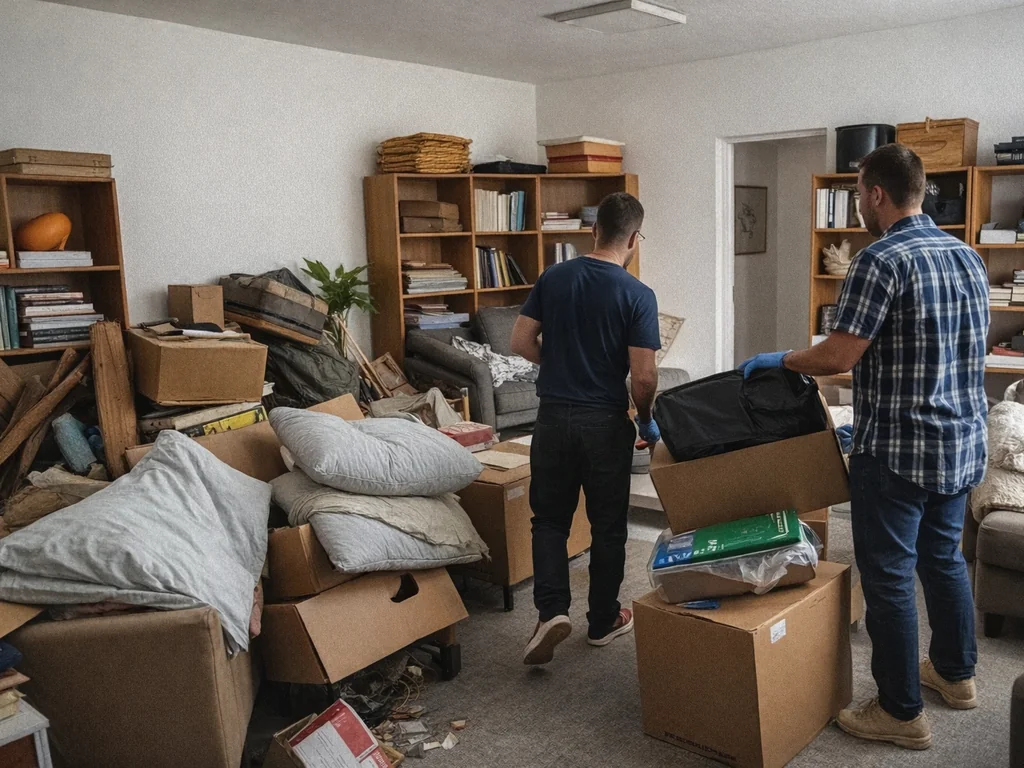
Cape Town has no bulky waste round. The City collects what fits in your wheelie bin, and everything larger is yours to move — so the real question is whether a skip or a one-off collection suits the size of the load you are actually looking at.
Mattress & Furniture Removal Cape Town
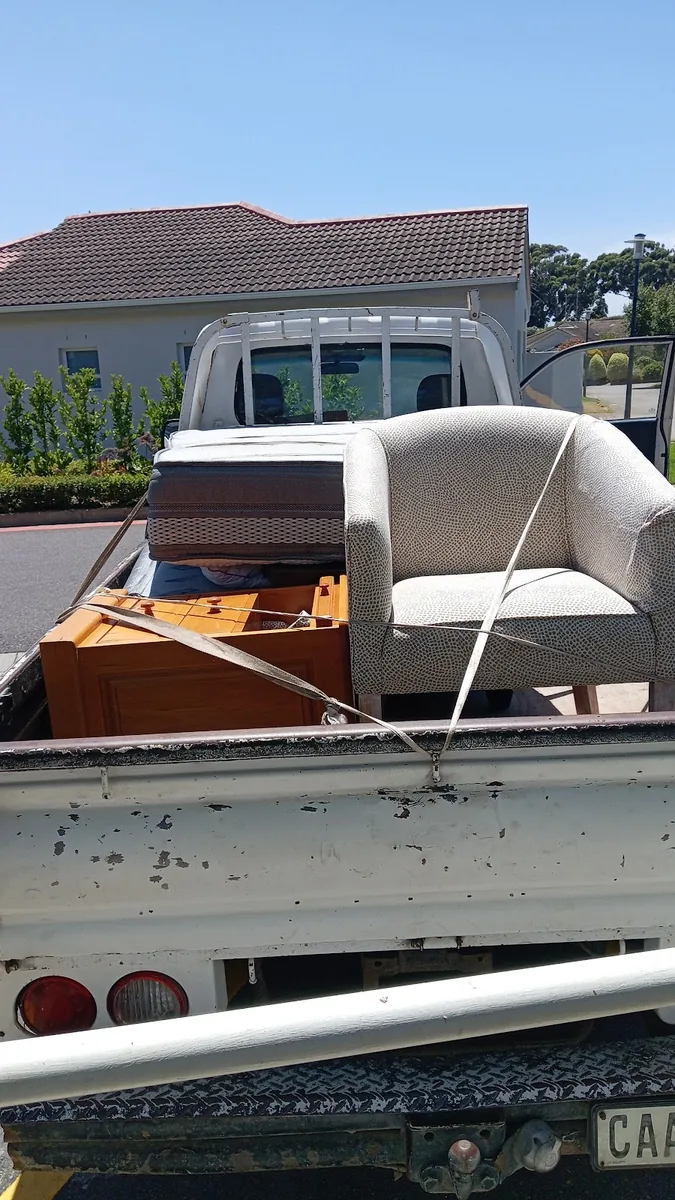
A mattress is the one thing in a house that nobody has a plan for. Here's how mattress and old furniture removal actually works in Cape Town — the municipal rules, who takes a donation, and when a paid collection is the sensible answer.
Commercial Waste Collection Cape Town
A guide to commercial waste collection in Cape Town — the by-law that keeps trade waste off the municipal kerbside, once-off vs scheduled pickups, and what offices, shops and body corporates actually generate.