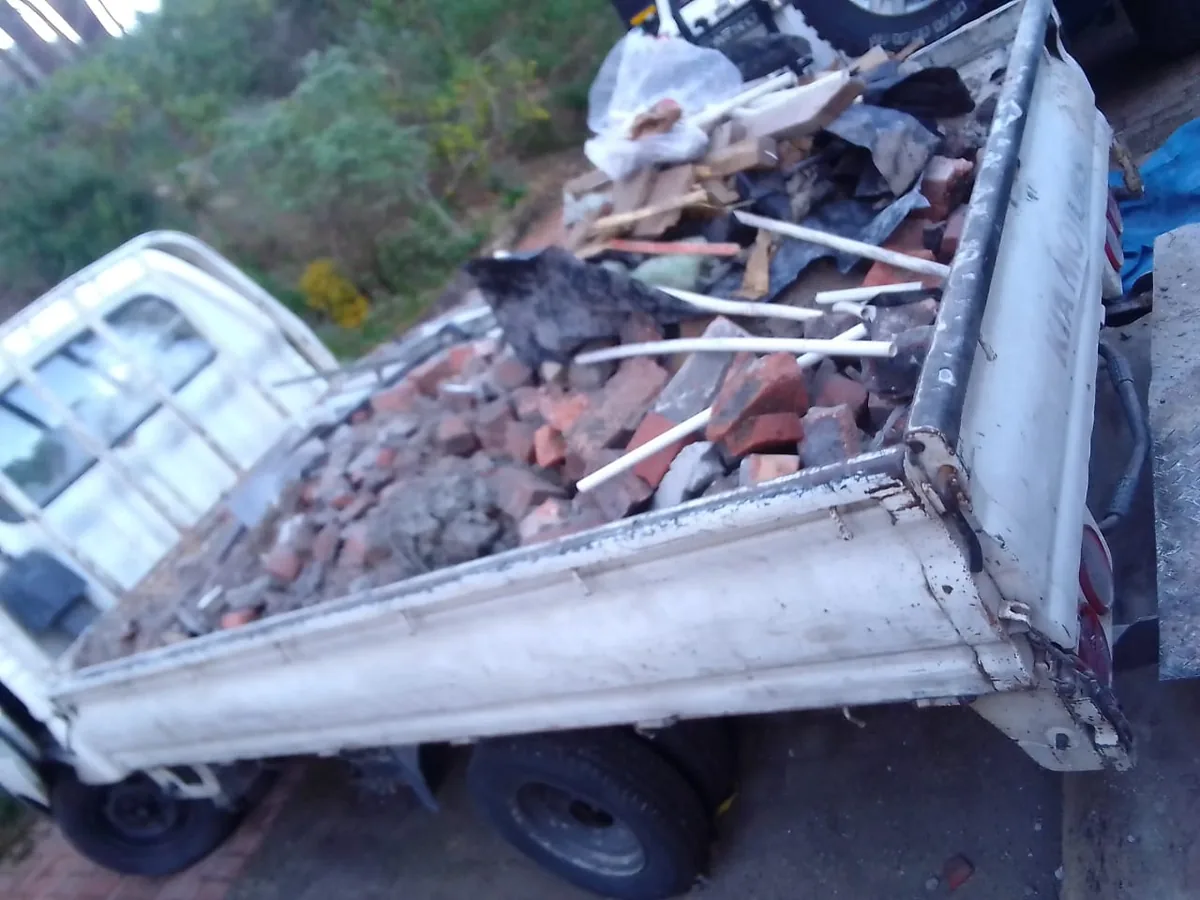
Builders Rubble vs Garden Waste: Why the Difference Matters in Cape Town
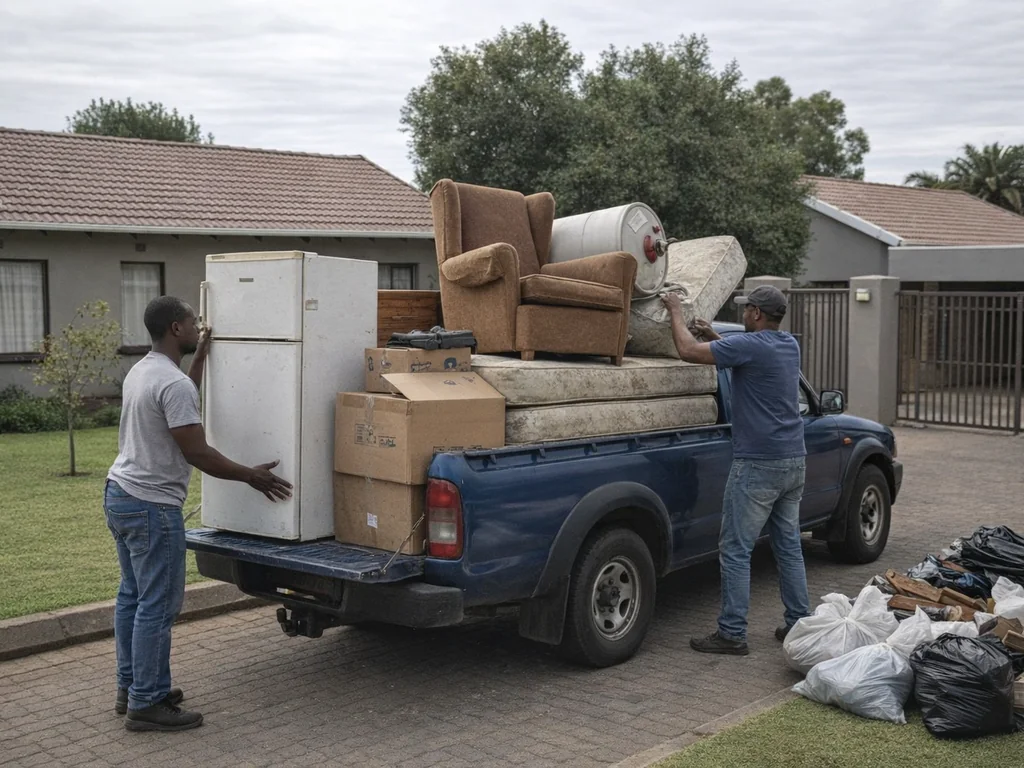
Most homeowners treat "rubble" as a single word for whatever's piled in the driveway after a weekend project. Cape Town's waste system doesn't. The City classifies waste by stream — clean rubble, garden refuse, general, recyclable, hazardous — and each stream has its own bin, its own destination and its own fee. Mixing two streams in one pile sounds harmless and ends up costing you money on every load. Here's why, and how to sort it right the first time.
Key takeaways
- Clean rubble = concrete, brick, mortar, tile — inert and mineral. Garden refuse = plant-derived only.
- Mixing streams costs you twice: longer crew time AND a routing to the general-waste landfill tariff.
- Plaster and metal mesh are the two contaminants that drop a load out of "clean rubble" status fastest.
- Twenty minutes of pre-sorting with a wheelbarrow is the cheapest single piece of work on any cleanup job.
How does Cape Town categorise builders rubble vs garden waste?
Under the City of Cape Town's Integrated Waste Management By-law, waste is separated at source into streams that flow to different facilities. The two relevant to the average post-project pile are:
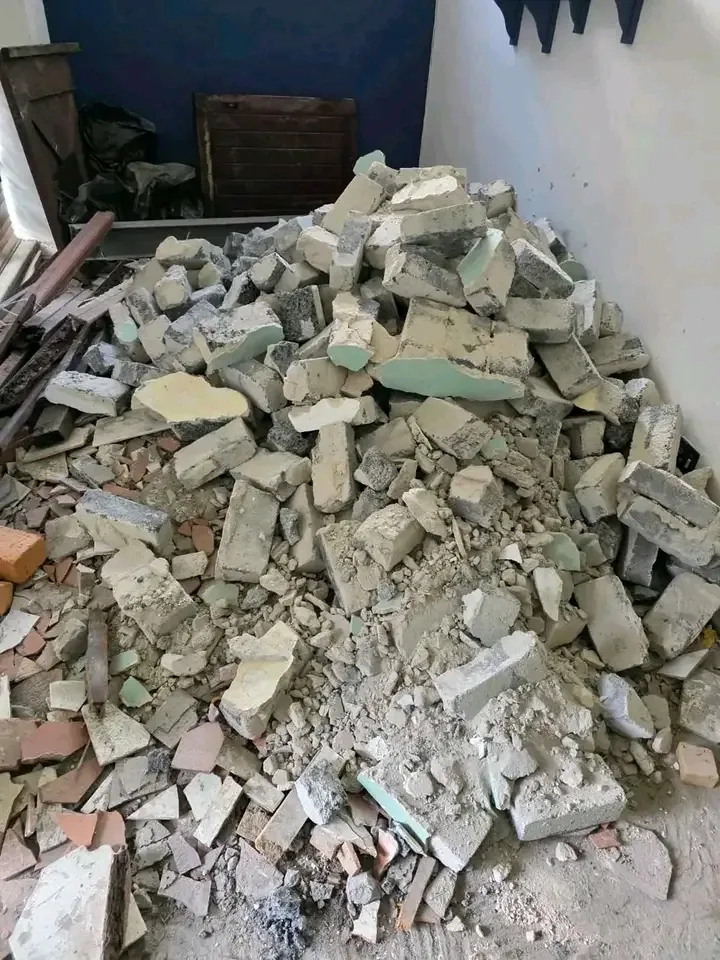
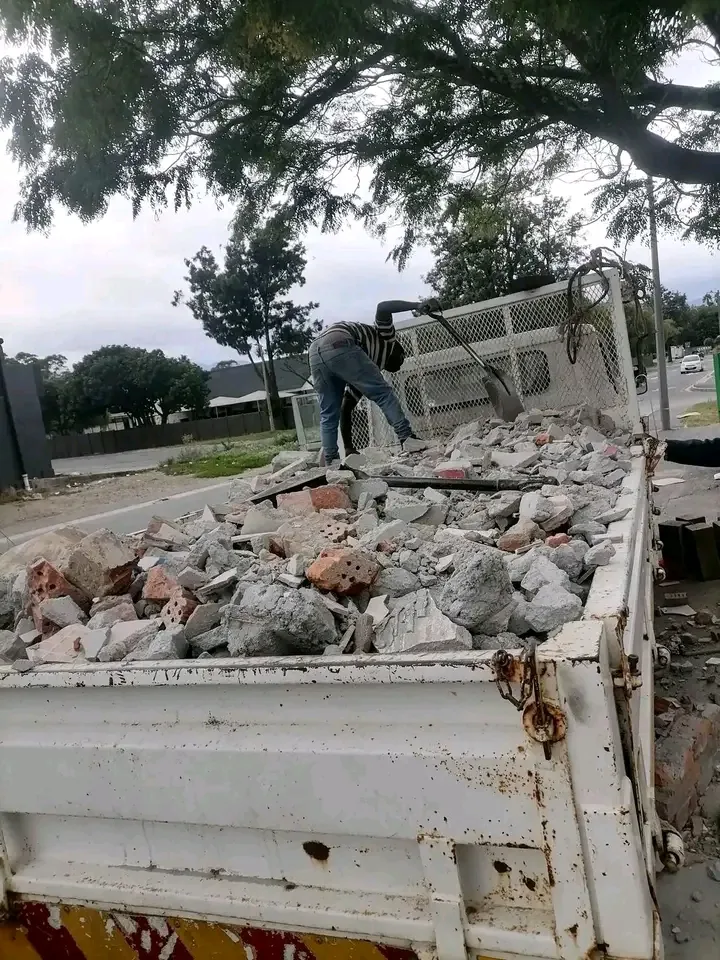
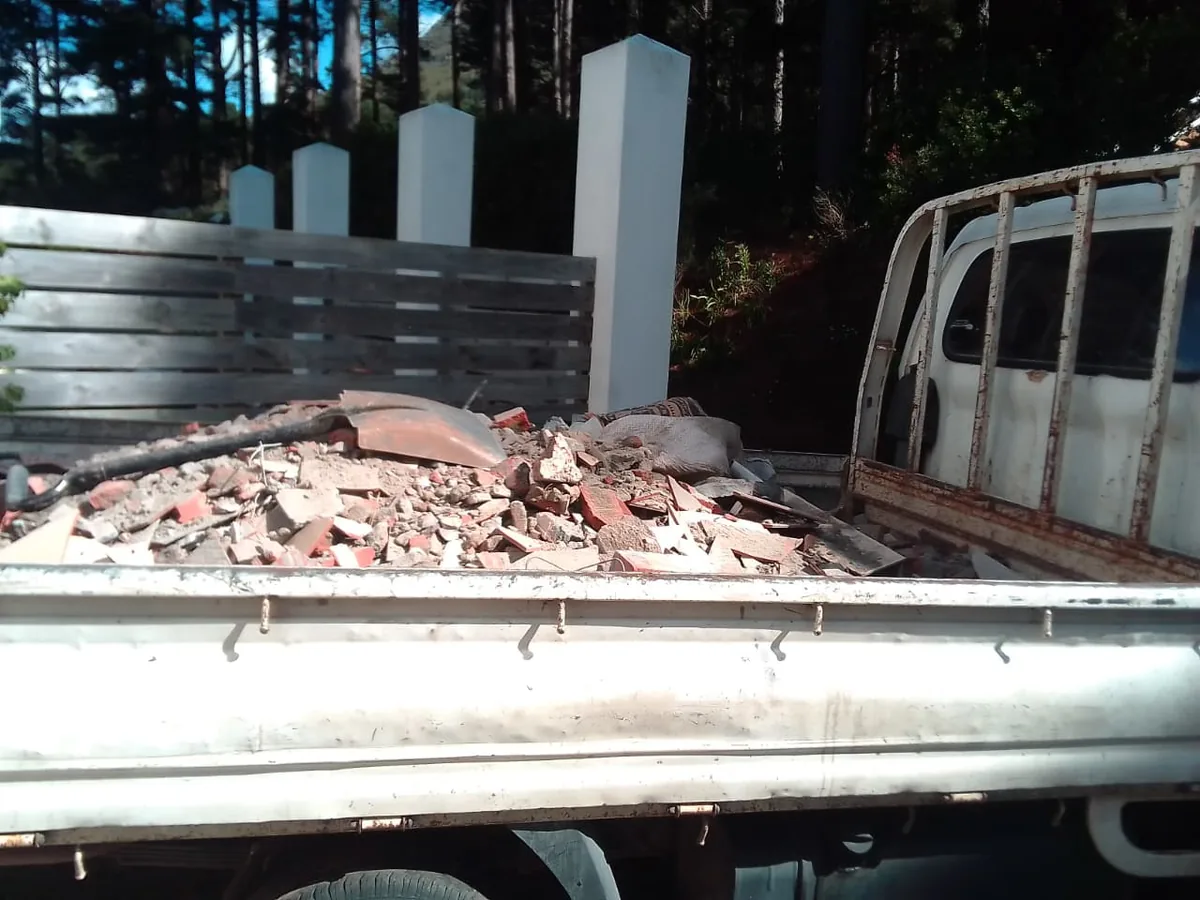
- Builders rubble — inert, mineral construction debris. Concrete, bricks, mortar, broken pavers, ceramic tile, cement, broken kerbstones. If you dropped it from waist height it would chip, not bend.
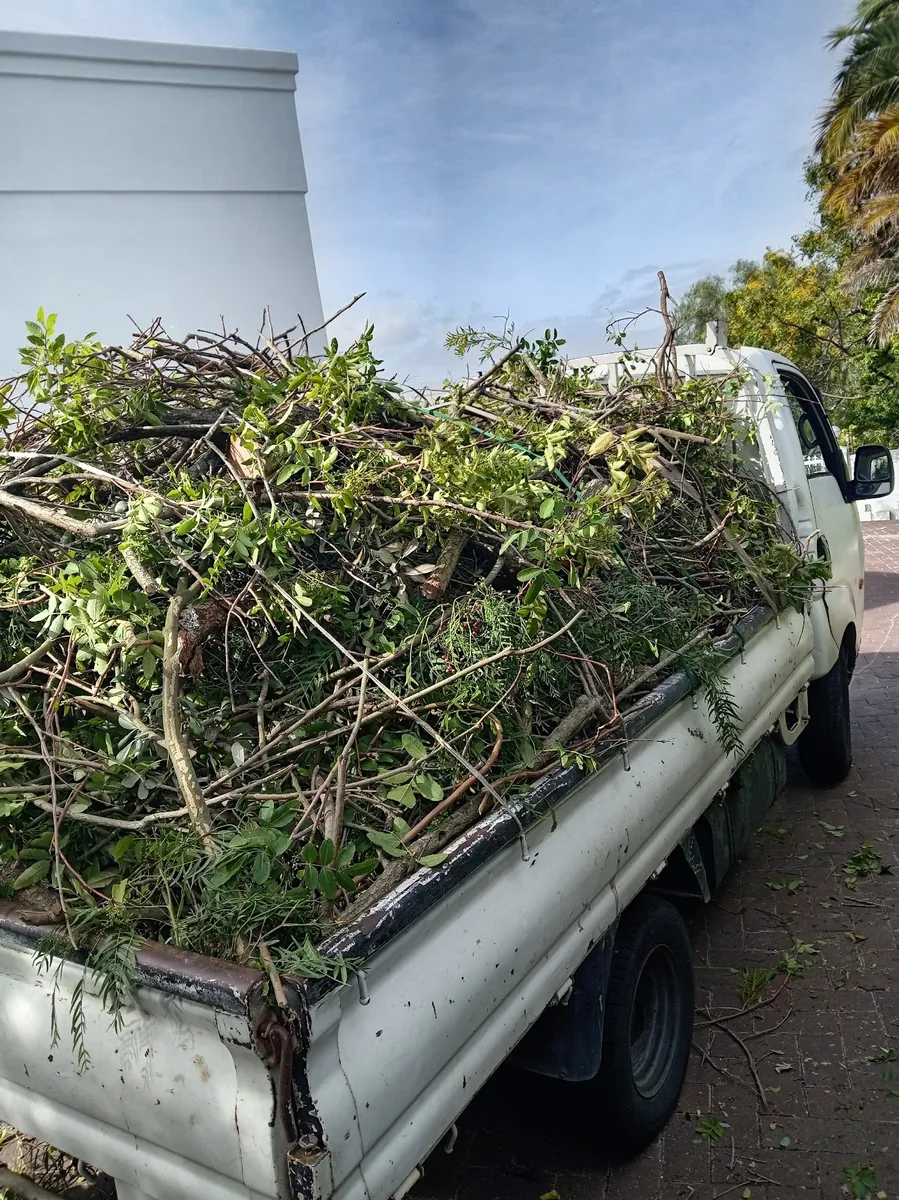
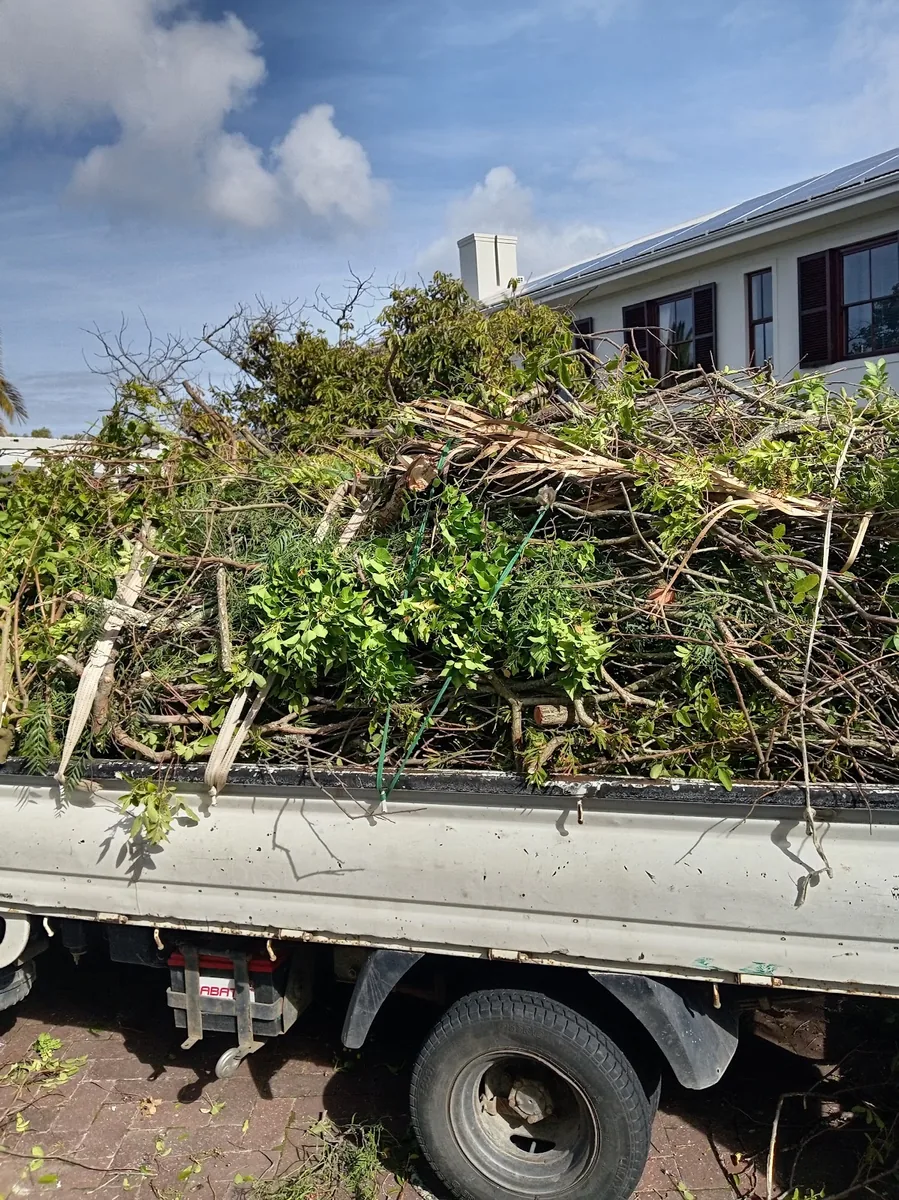
- Garden refuse — organic, plant-derived material. Grass clippings, leaves, weeds, soft prunings, small branches. If you dropped it from waist height it would bend or scatter, not chip.
Clean rubble goes to a landfill cell (or, if it's pure concrete, to a crushing operation that returns it as road sub-base). Garden refuse goes to a compost plant. Mixed loads — even slightly contaminated ones — get re-classified as "general" and routed to the most expensive cell at the landfill.
What goes in the builders rubble pile vs the garden waste pile?
If you're staring at a pile and not sure which heap to put something in:
| Item | Stream |
|---|---|
| Concrete chunks, broken slab | Builders rubble |
| Bricks (whole or broken) | Builders rubble |
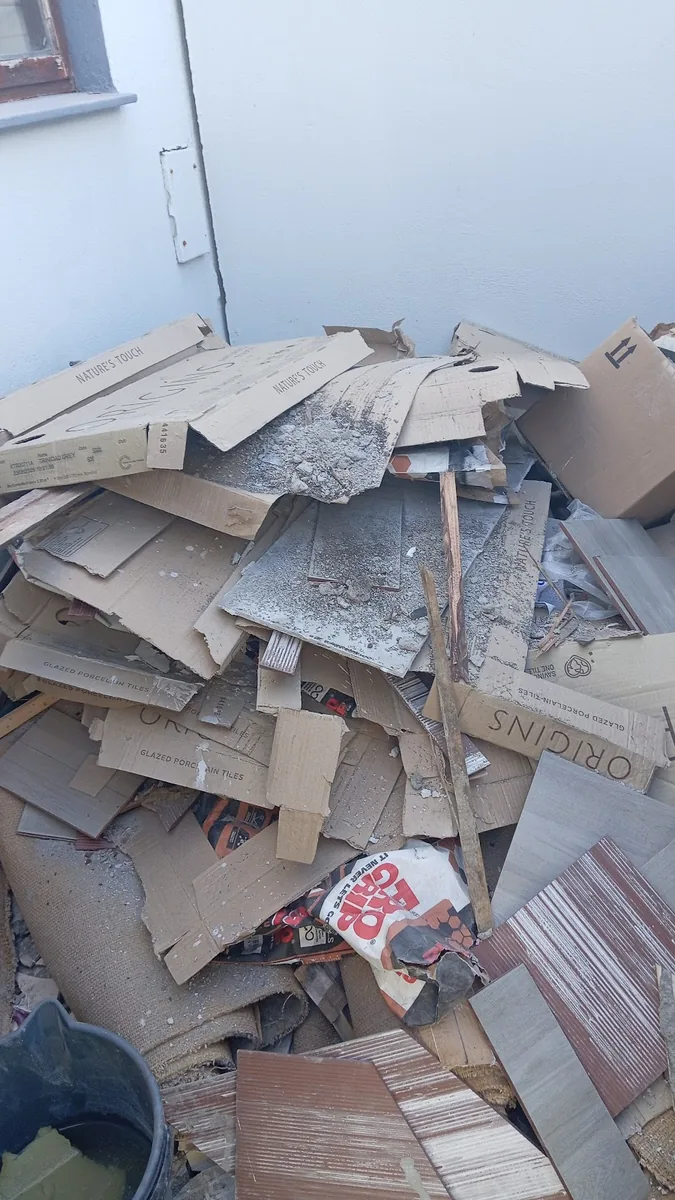
| Ceramic floor or wall tile | Builders rubble |
| Paving stones, cobbles, kerbstones | Builders rubble |
| Grass clippings, leaves, hedge trim | Garden refuse |
| Small branches (≤50mm) | Garden refuse |
| Pulled-up plants, weeds | Garden refuse |
| Plaster off-cuts | General (NOT clean rubble) |
| Drywall / gypsum board | General (NOT clean rubble) |
| Plastic plant pots, irrigation pipe | General (NOT garden refuse) |
| Treated wood, painted offcuts | General |
| Kitchen food scraps | Domestic (black wheelie bin) |
What happens if my load mixes builders rubble and garden waste?
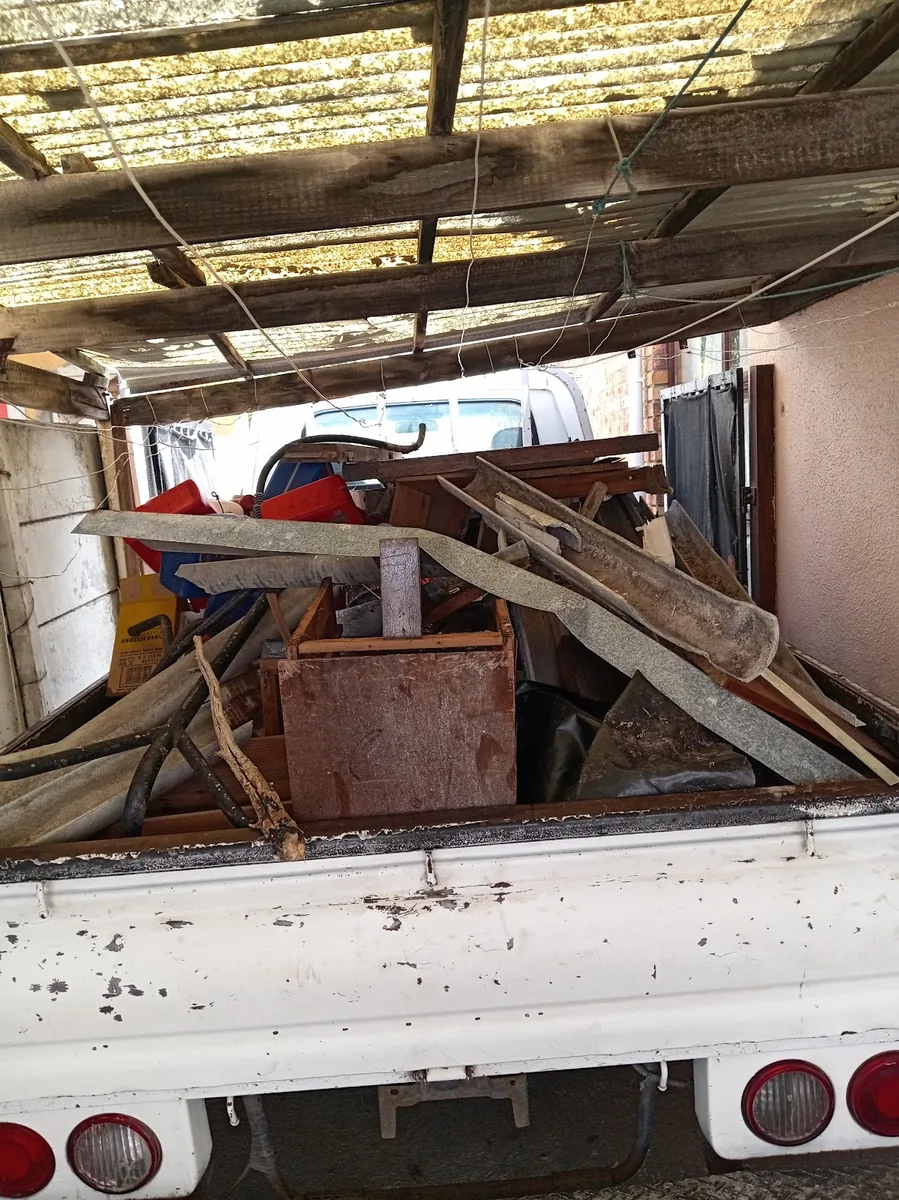
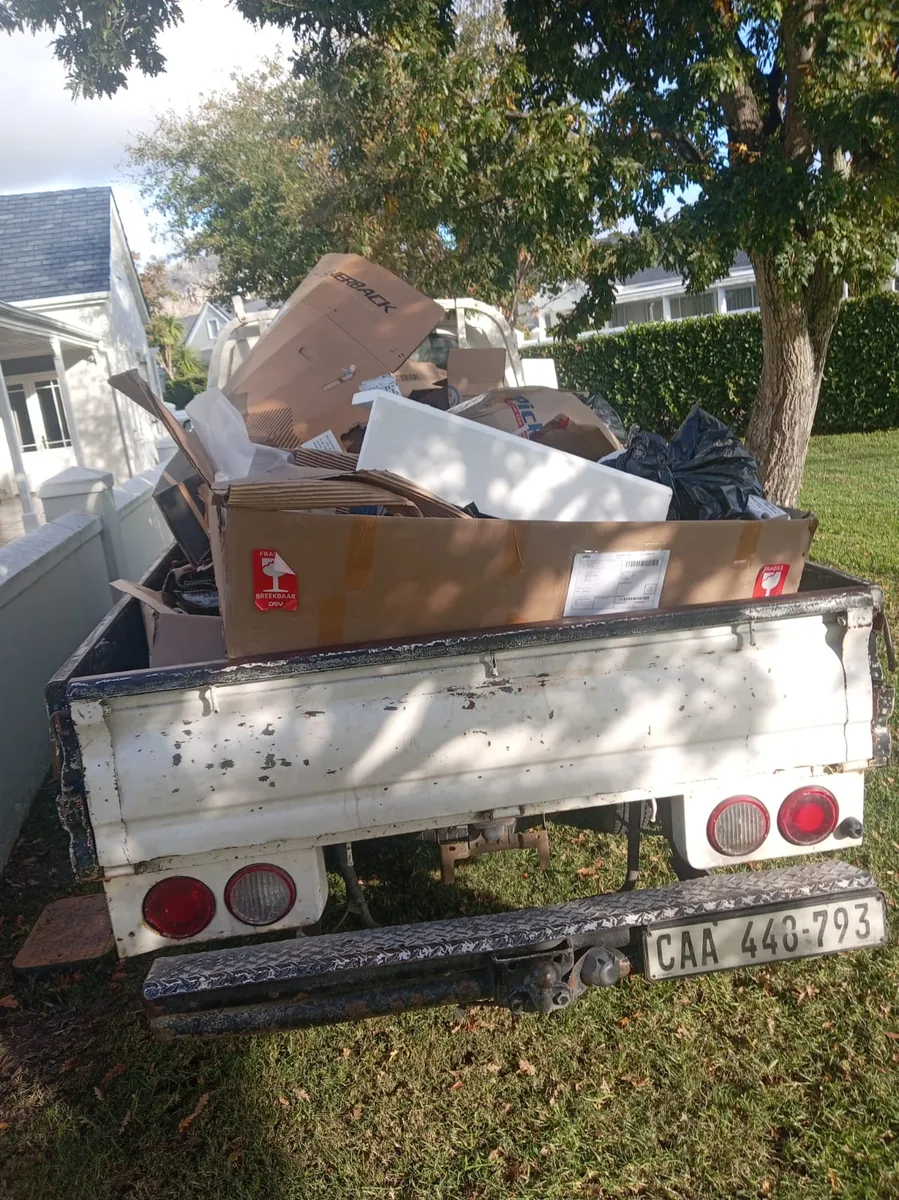
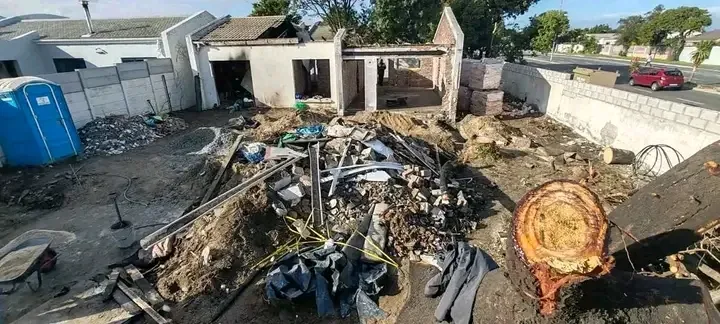
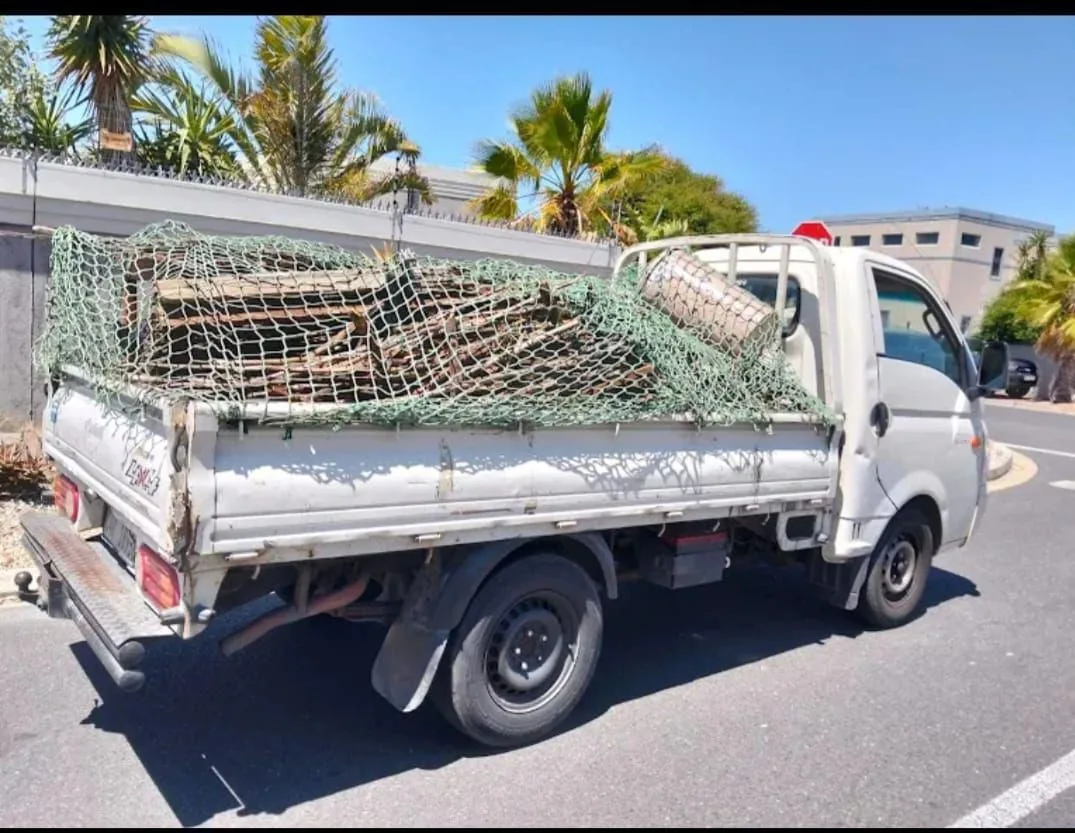
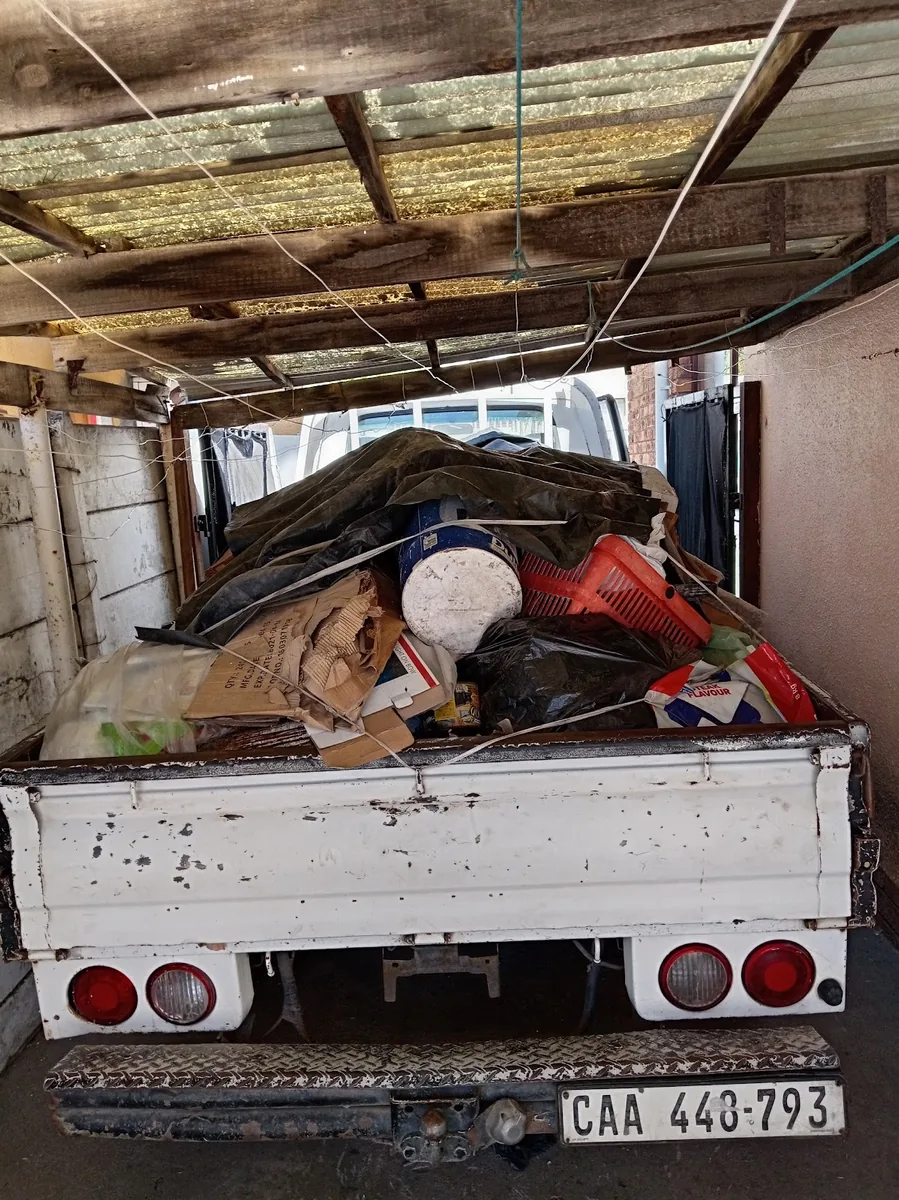
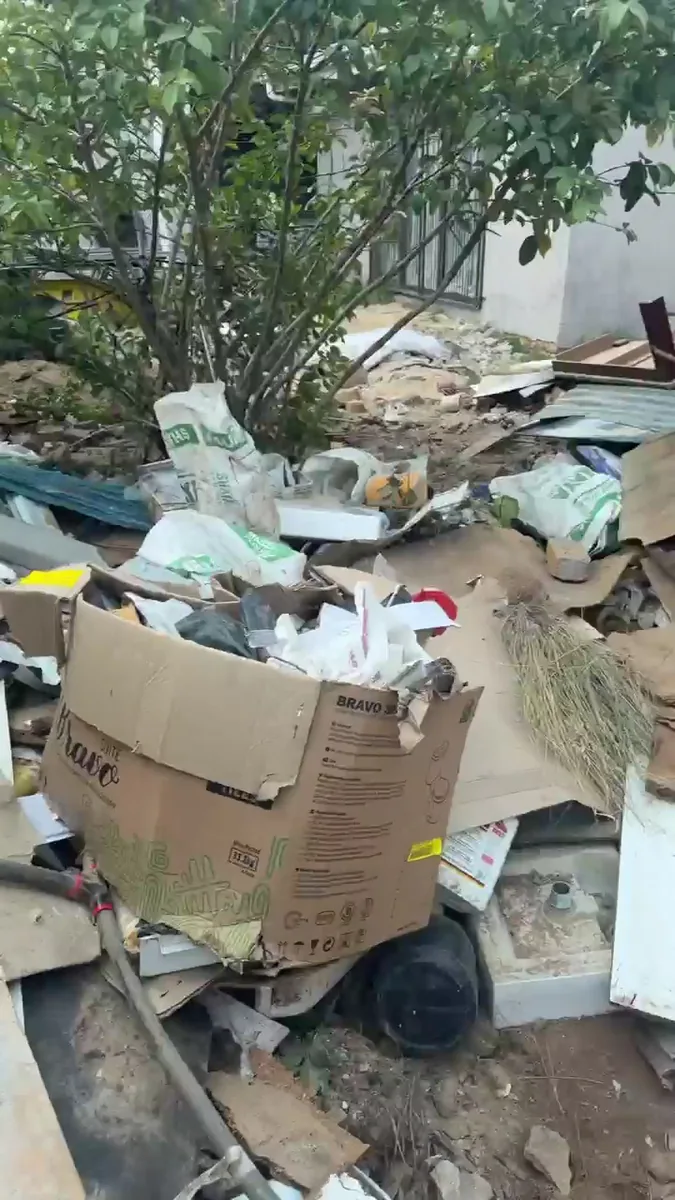
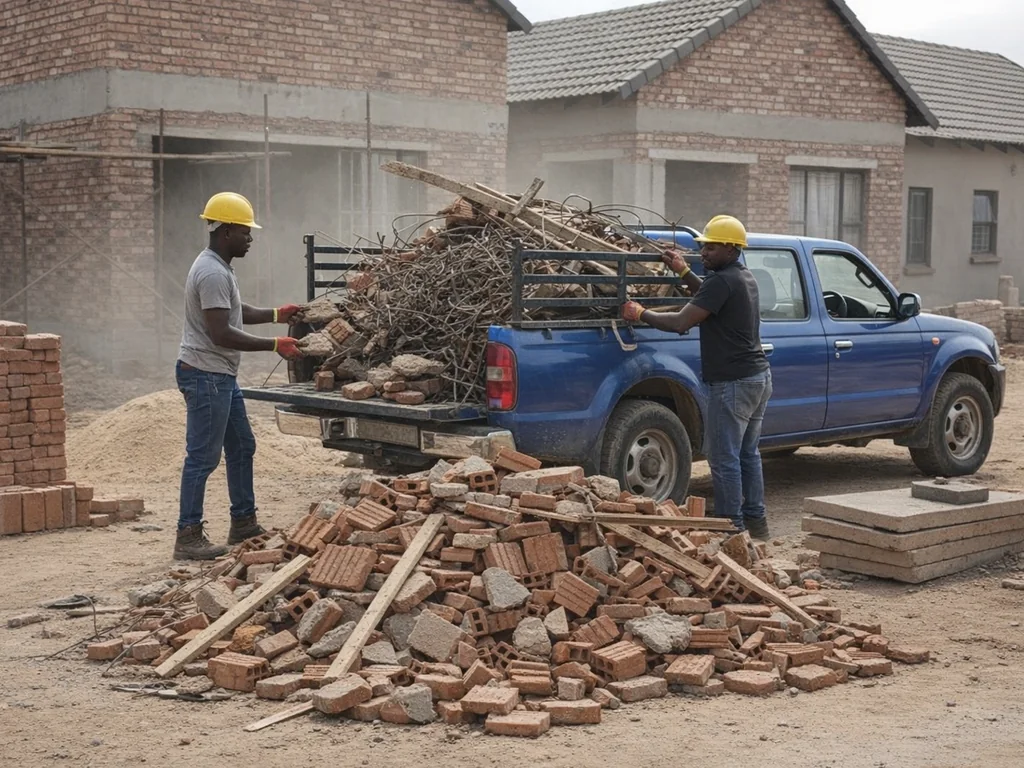
The classic scenario: a contractor breaks up an old patio, dumps the concrete on top of a heap of garden trimmings the homeowner has been meaning to deal with, and phones a rubble crew. The crew arrives and finds the pile is now technically "general waste" because the streams are mixed. Three things happen:
- On-site re-sort, if there's time. The crew separates the obvious rubble from the garden, loads them into separate sections of the tipper and routes each to its own dump site. This adds 30 to 60 minutes to the job and usually R200 to R400 to the quote.
- Single-load routing to a paid landfill. If the mix is too entangled to sort, the whole load gets routed to a paid landfill at the general-waste rate. That's the most expensive tipping option — you're paying landfill fees for material that, sorted, would have been free at a drop-off and a compost plant.
- Bounce at the weigh-in. If there's hazardous material in the mix (paint, oil, asbestos, chemicals), the entire load gets rejected, the crew turns round, and you pay for the trip with nothing to show for it.
None of those outcomes is what you wanted. All of them were caused by 20 minutes of un-done sorting at the source.
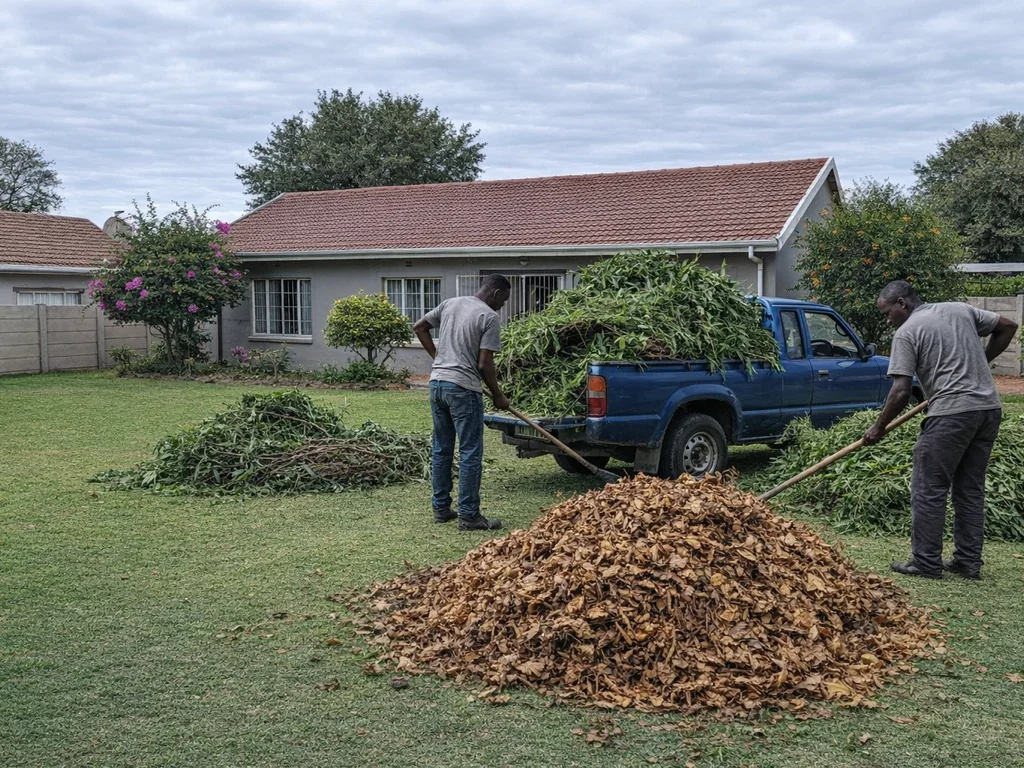
Sort once, save twice. Twenty minutes with a wheelbarrow is the cheapest piece of work on any post-project cleanup.
Why does mixing waste streams cost you more?
The same logic plays out at the kerbside. The black 240-litre wheelie bin is for domestic waste — food scraps, packaging, nappies, sweepings. Putting garden refuse in it is technically allowed if the lid still closes, but a bin half-full of grass clippings can't accept any of the actual rubbish for the rest of the week. You end up with bin-bags piled next to the bin, the crew leaves them, and now you've got both problems instead of one.
Builders rubble in the black bin is worse again. It's not collected — the wheelie bins aren't rated for that weight and the trucks can't tip them properly. A bin full of broken tile sits at the kerb until you take it out again. Save yourself the afternoon and route rubble to the right place from the start. The full Cape Town dump-site directory lists every facility and what each one accepts.
When does demolition rubble qualify as "clean rubble" for free tipping?
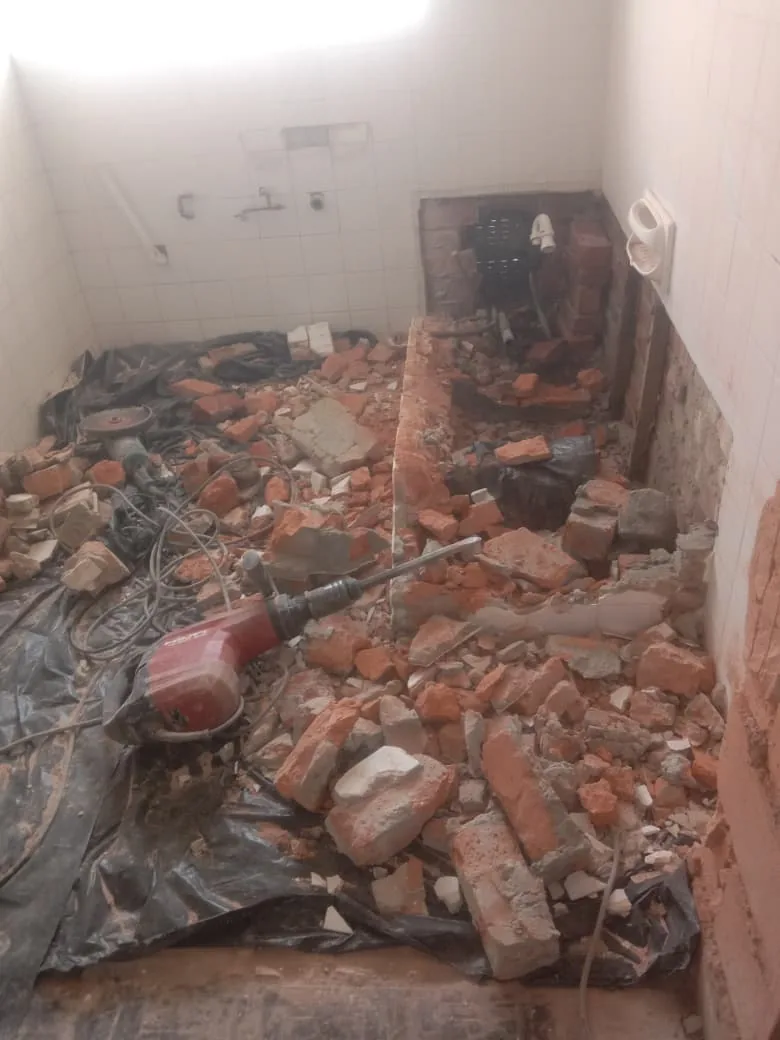
For demolition jobs, there's a meaningful financial difference between a "clean rubble" load and a mixed one. Clean rubble — concrete, brick, mortar, no plaster, no tiles with adhesive, no metal lath, no wood — qualifies for the residential free-tip lane at any City drop-off, and at some landfills it tips at a reduced rate for re-processing into road base.
The two contaminants that knock a load out of "clean" status fastest are plaster and metal mesh. Plaster contains gypsum which ruins concrete recyclability; metal lath embedded in old walls jams the crushing plant. If your contractor can separate the plaster wash and the chicken-wire as the wall comes down, the rubble half of the job tips for free. If they can't be bothered and it all goes in one pile, the whole load is a paid general tip.
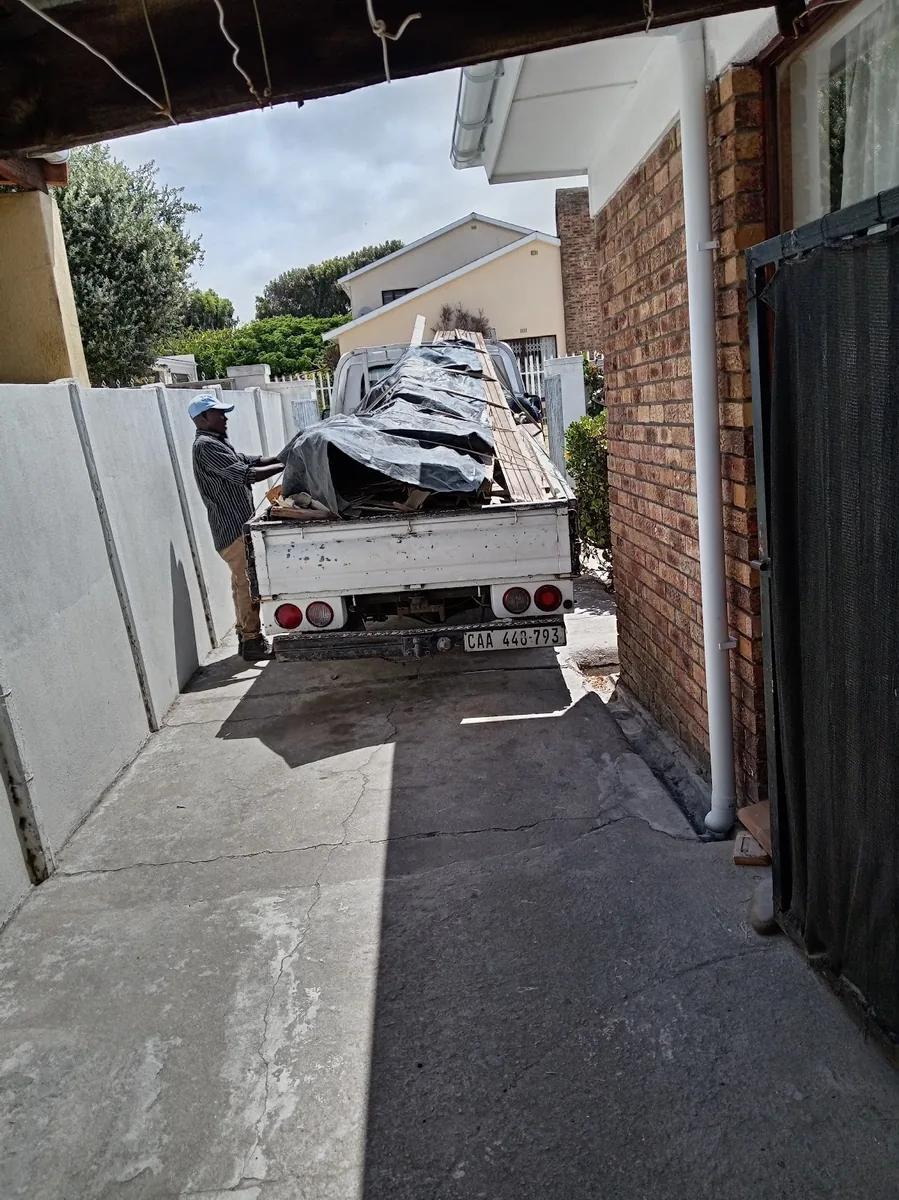
A good demolition outfit knows this and works with you on it. A bad one shrugs and passes the extra tipping fee on to you. Ask the question when you book.
Which category is it? Quick examples
Paving stones and old cobbles? Builders rubble. Tips free at a drop-off; some specialist dealers will take whole stock for re-use.
Drywall / gyproc offcuts? General waste, despite looking like a construction product. The gypsum prevents it from being processed as clean rubble.
Kitchen food scraps from a tenant clear-out? Black wheelie bin only. No drop-off accepts organic kitchen waste.
Old electrical appliances (kettle, microwave, broken TV)? E-waste — every City drop-off has a dedicated container. Not rubble, not general.
Roof tiles with old underlay attached? Builders rubble if you strip the underlay first; general waste if you don't.
Old plant pots and seedling trays from the garden? General waste — plastic contaminates compost. Pull them out before you load the garden bag.
How should I sort waste before the crew arrives?
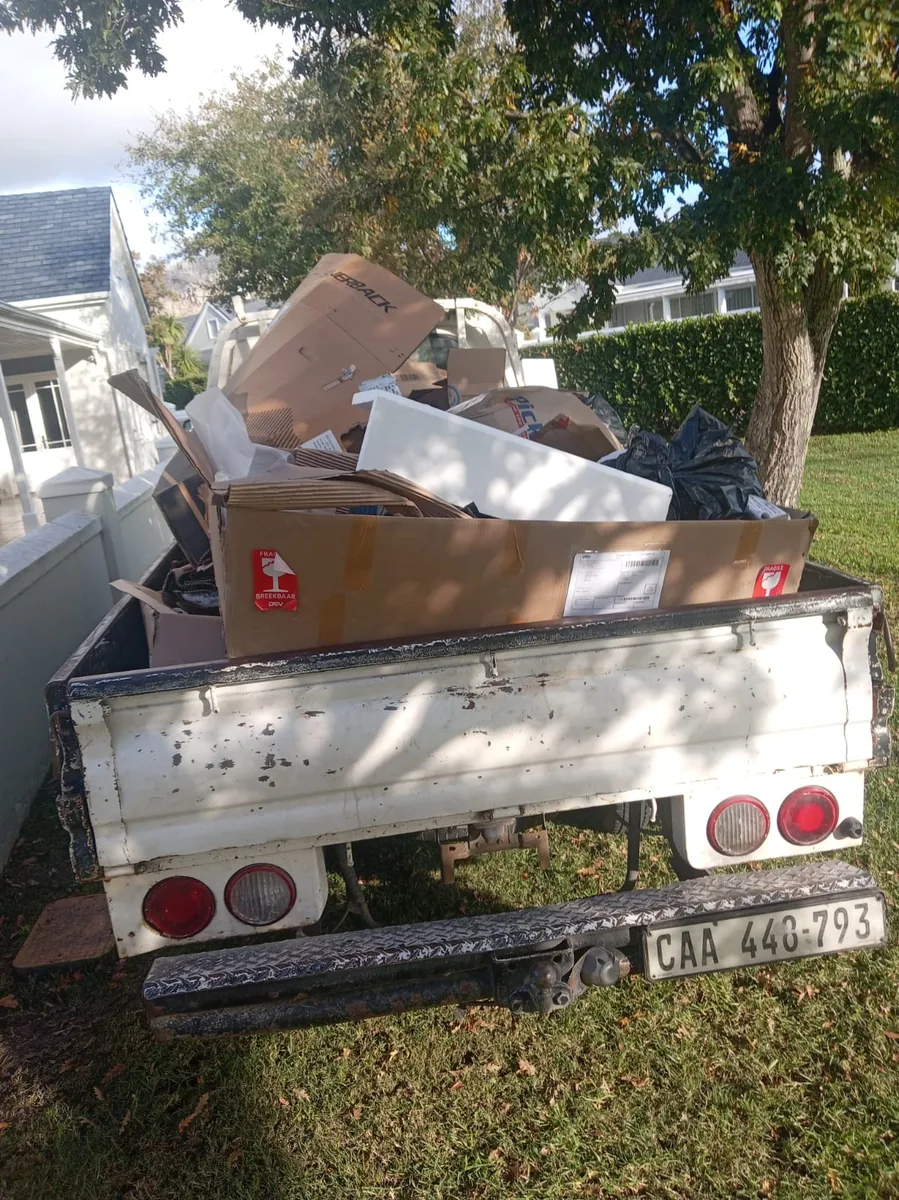
Twenty minutes with a wheelbarrow, separating the broken concrete from the dead cuttings, is the cheapest piece of work on any post-project cleanup. It cuts the quote because the crew loads faster; it cuts the tipping fee because each stream goes to its right destination; and it means the load isn't bounced when the weigh-in inspector spots a paint tin.
If you'd rather skip the sort and pay the all-in price, send three photos of the pile as-is through the quote form — we'll quote the mixed load honestly and on-site re-sort where it makes financial sense for you. Either way, the rubble's gone before the dump sites close.
For the full list of what each stream covers under our service, see the services page.
Keep reading

Bulky Waste Collection Cape Town
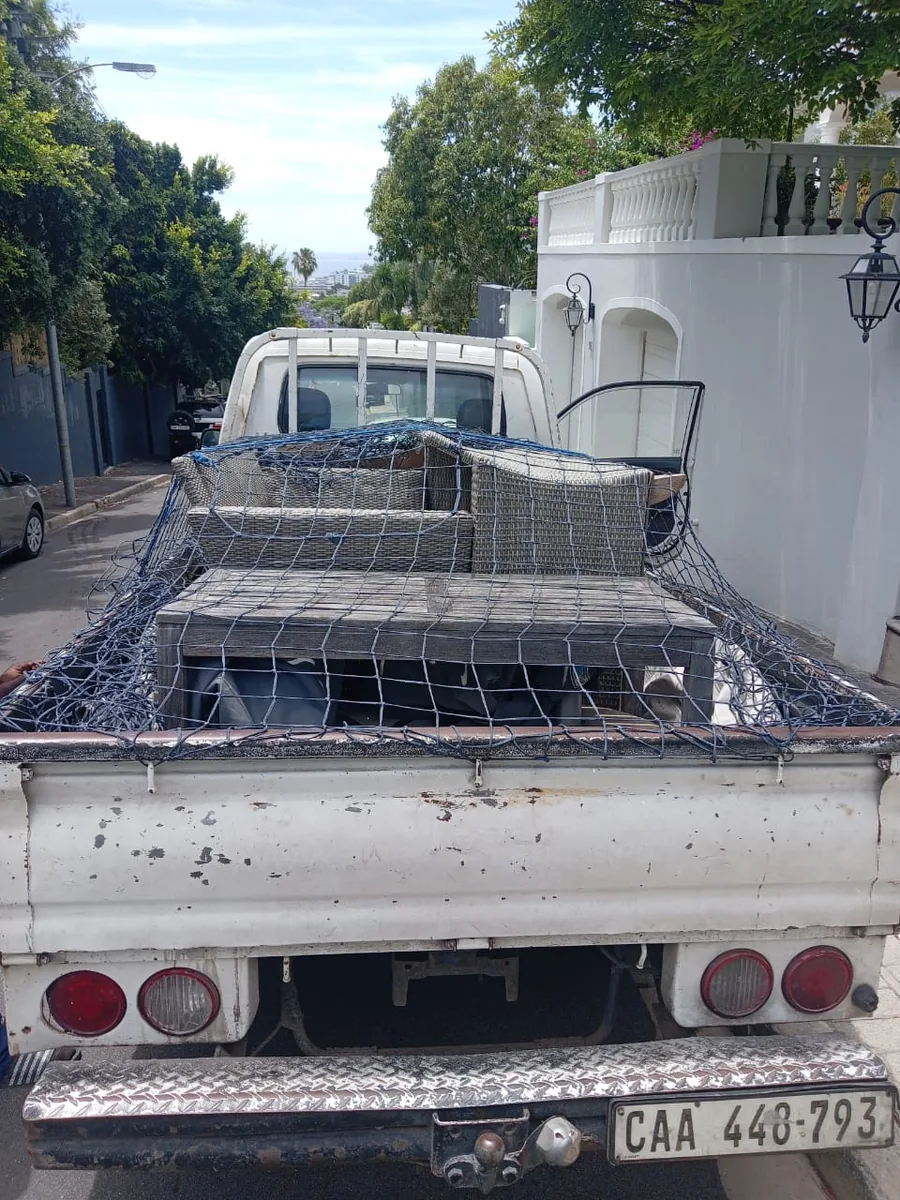
Cape Town has no bulky waste round. The City collects what fits in your wheelie bin, and everything larger is yours to move — so the real question is whether a skip or a one-off collection suits the size of the load you are actually looking at.
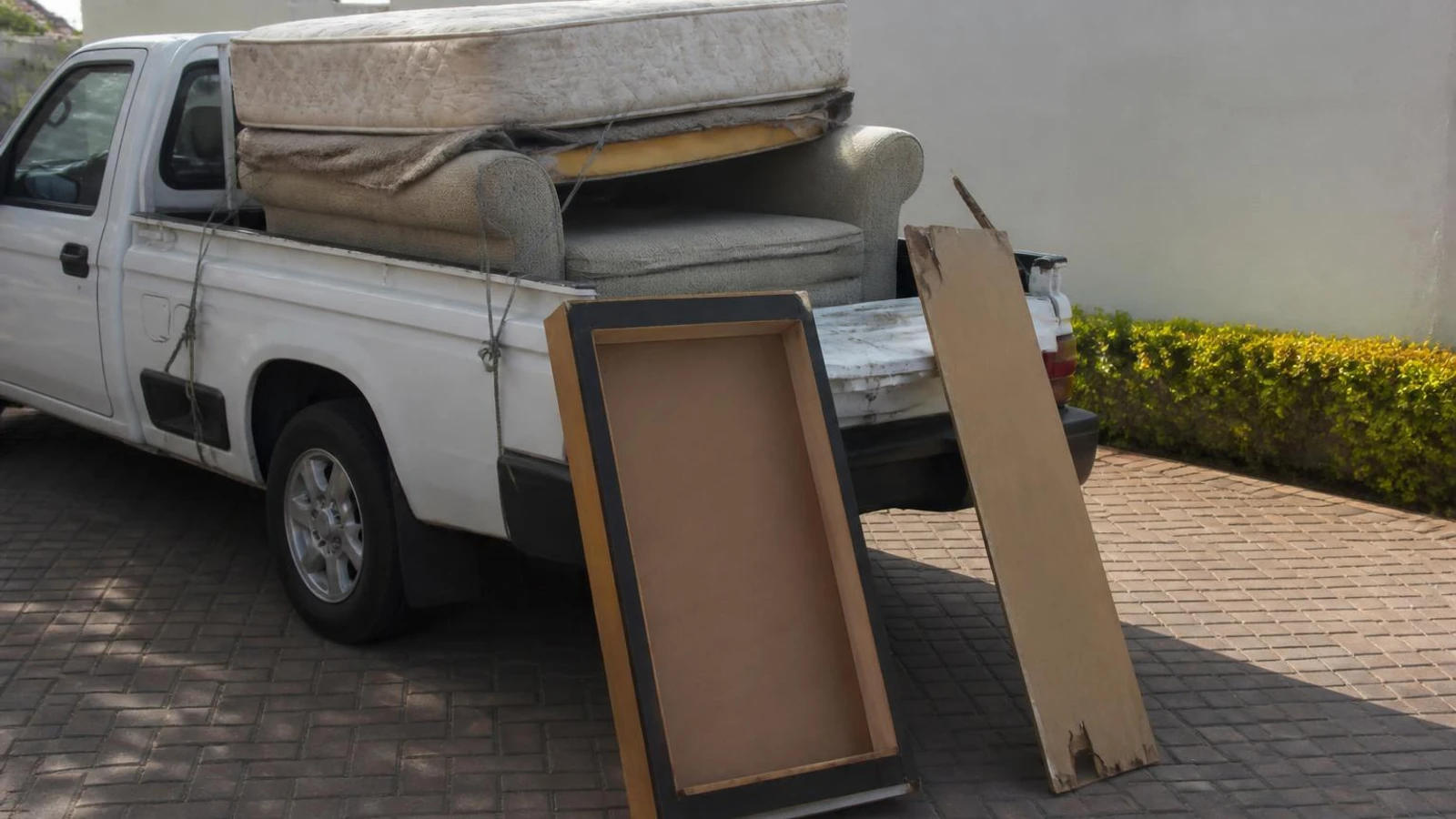
Mattress & Furniture Removal Cape Town
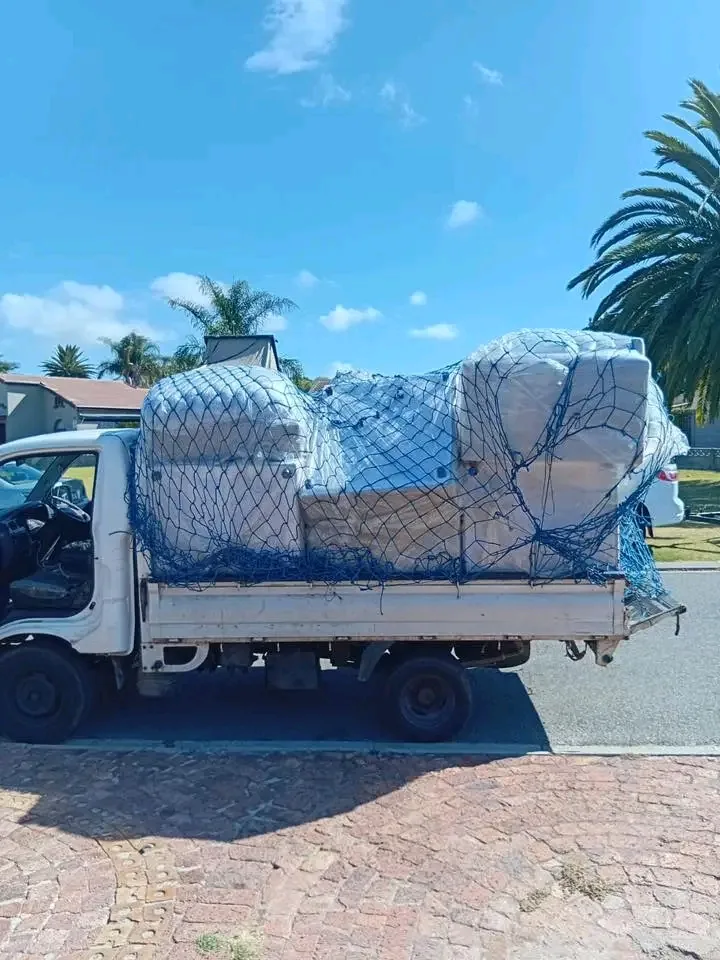
A mattress is the one thing in a house that nobody has a plan for. Here's how mattress and old furniture removal actually works in Cape Town — the municipal rules, who takes a donation, and when a paid collection is the sensible answer.
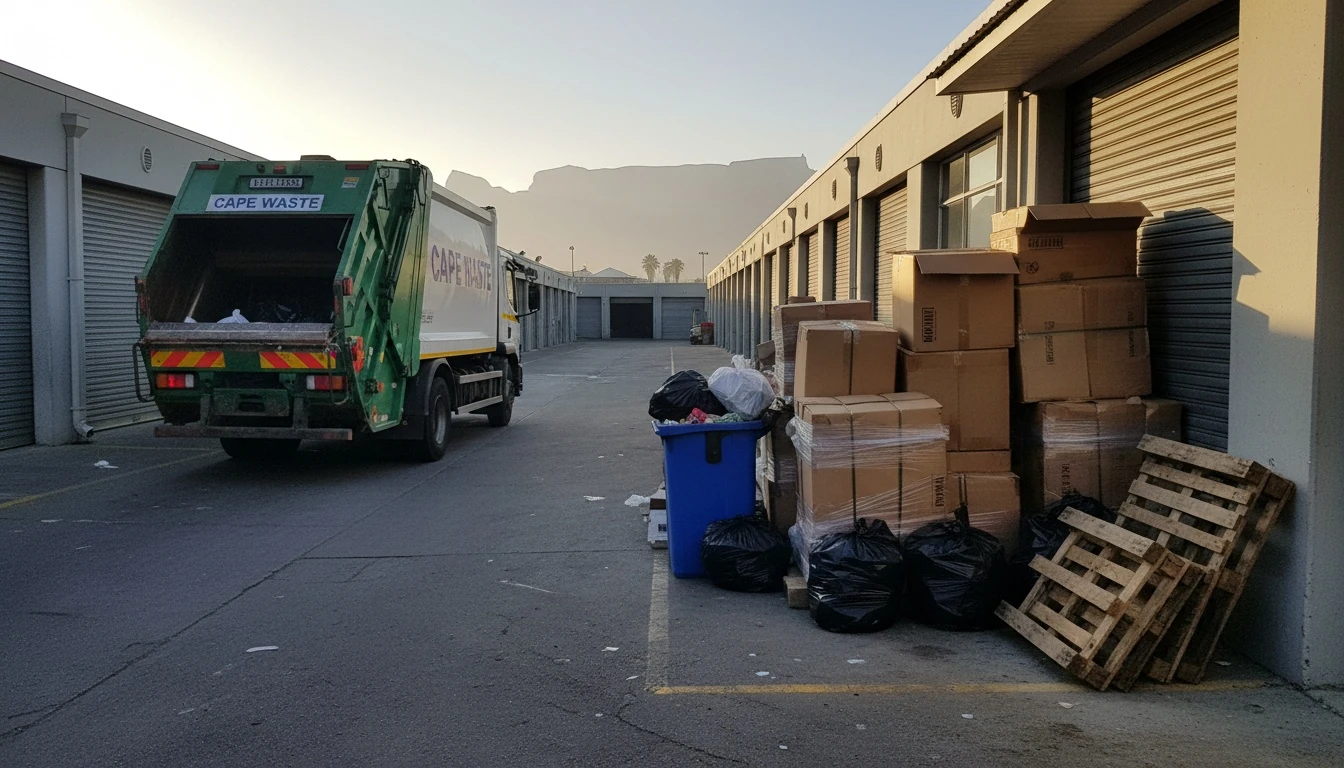
Commercial Waste Collection Cape Town
A guide to commercial waste collection in Cape Town — the by-law that keeps trade waste off the municipal kerbside, once-off vs scheduled pickups, and what offices, shops and body corporates actually generate.