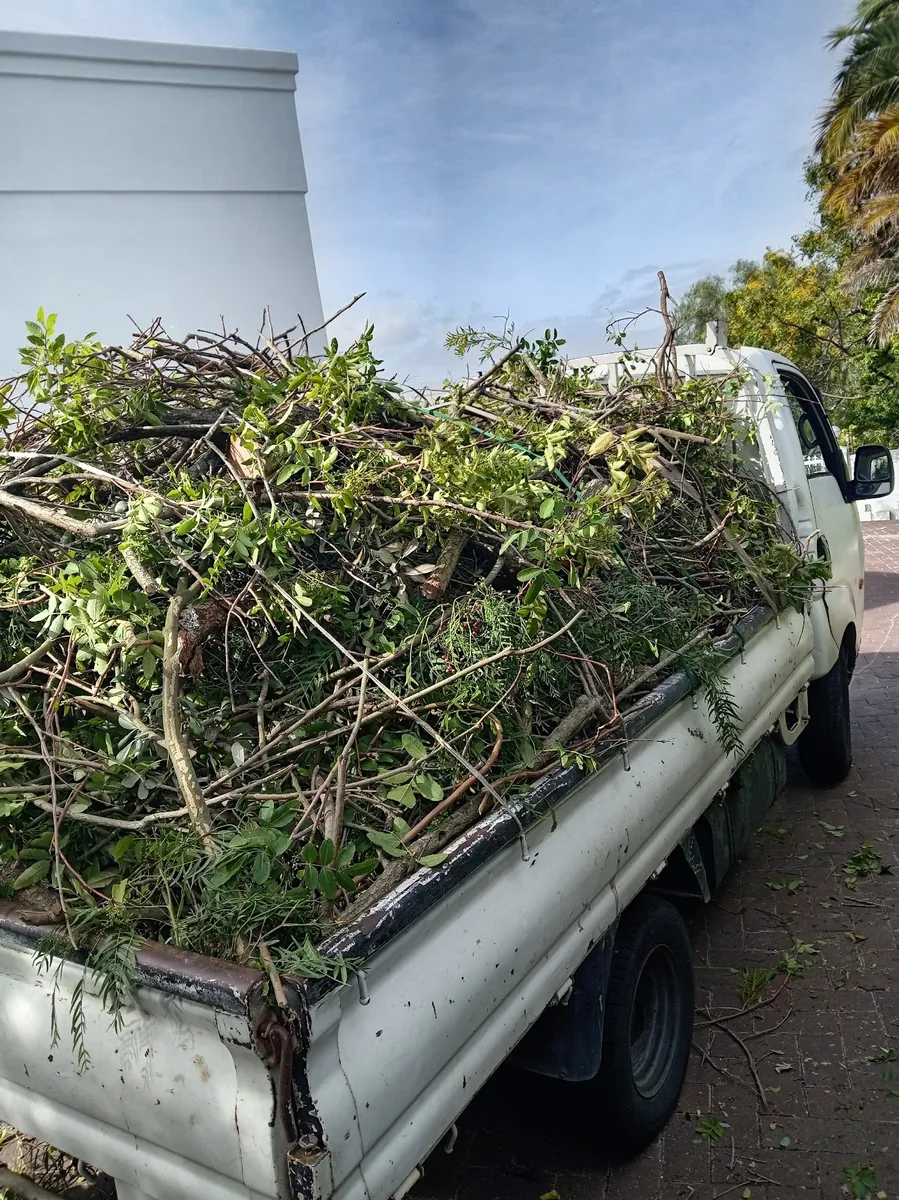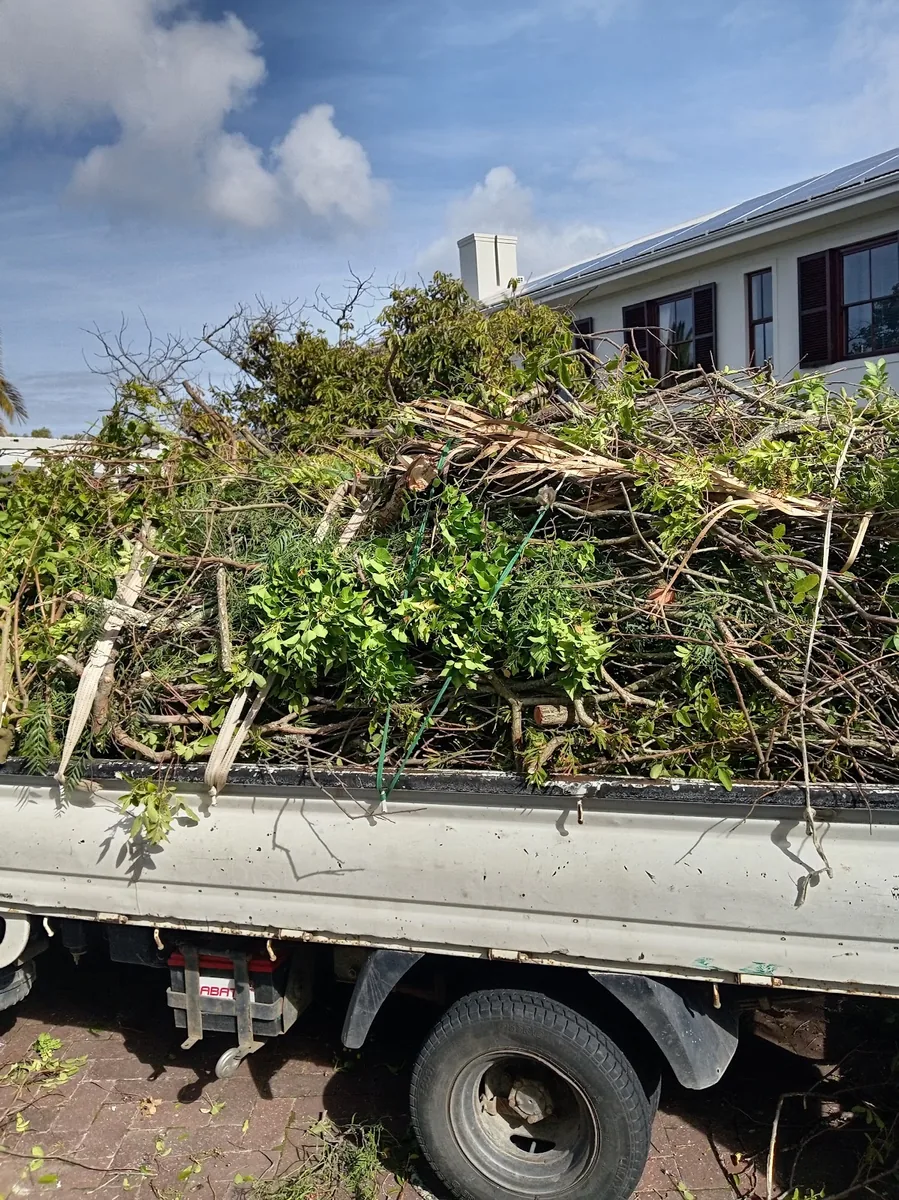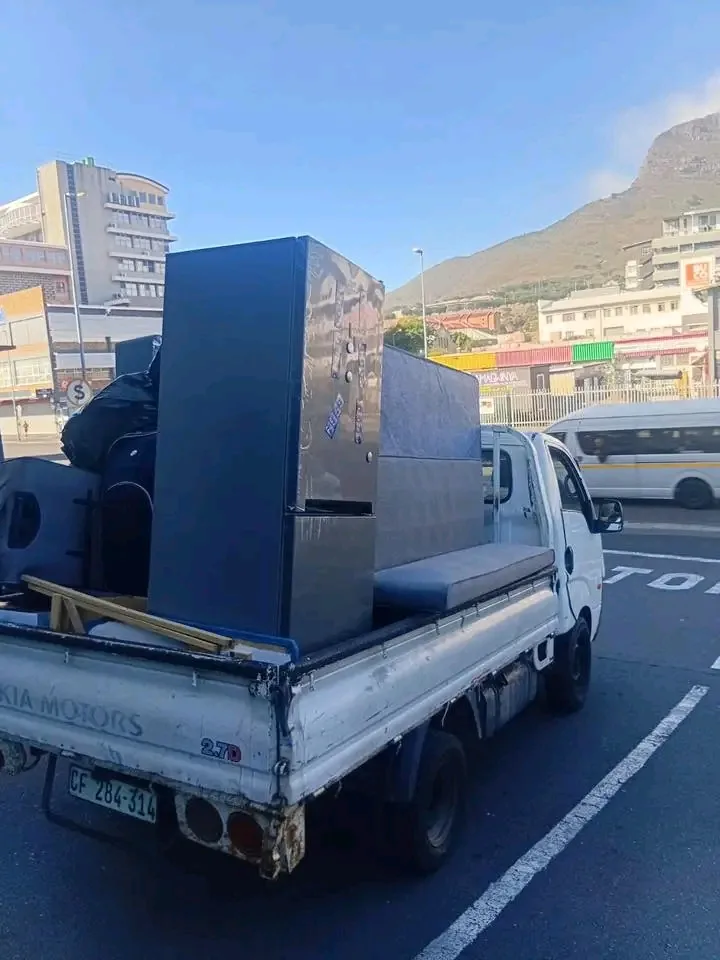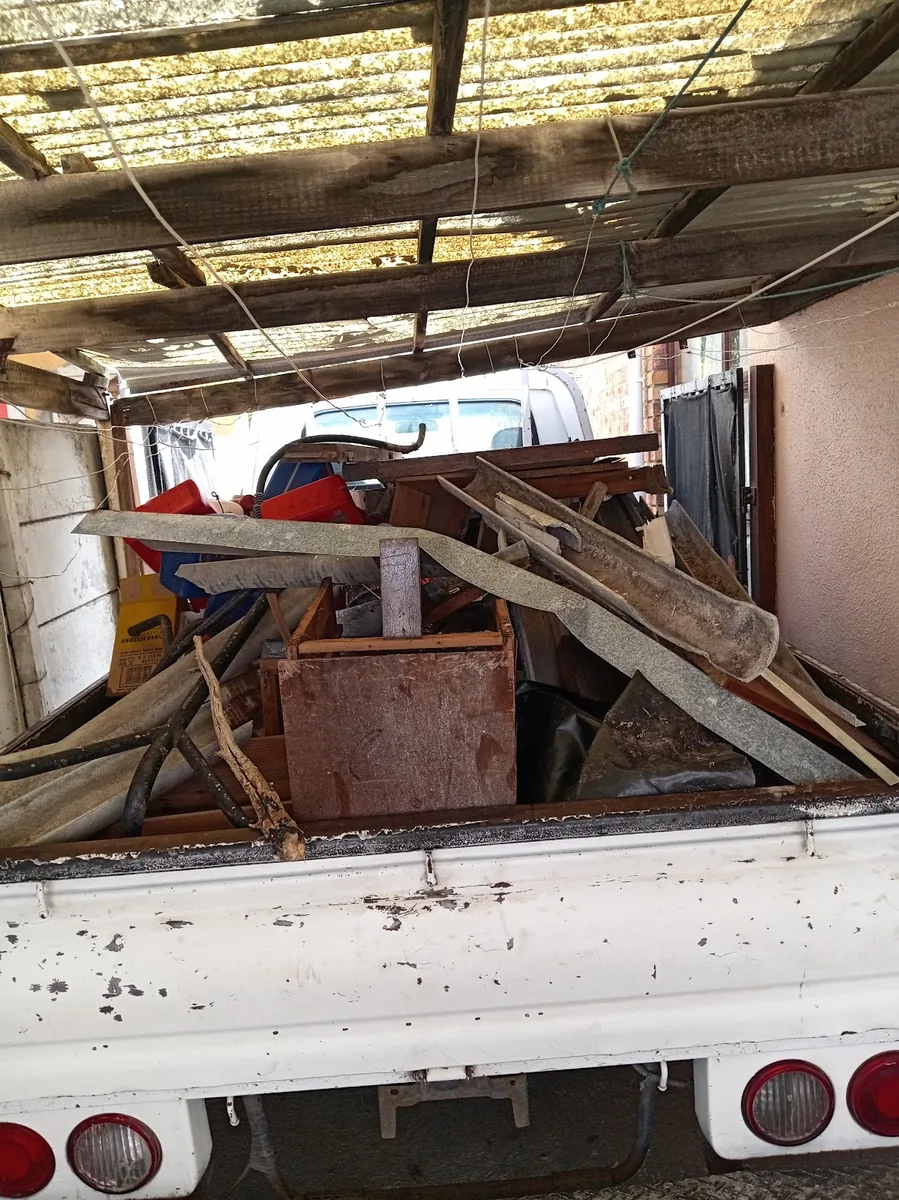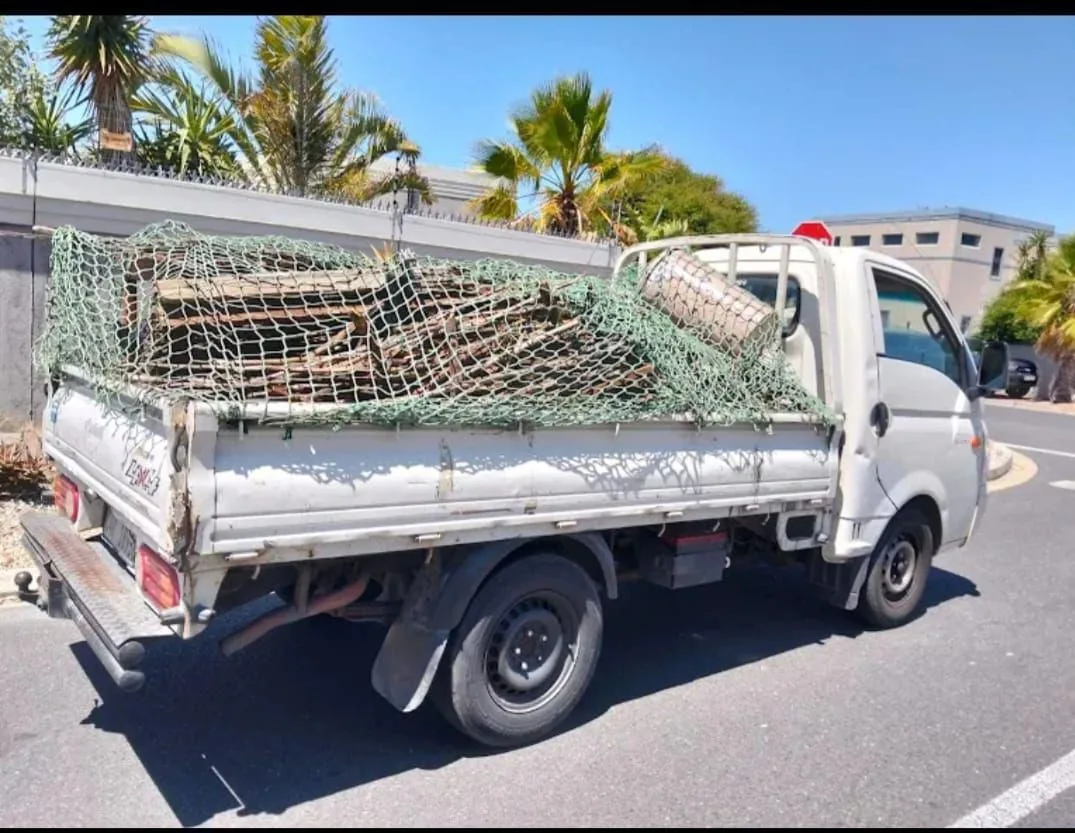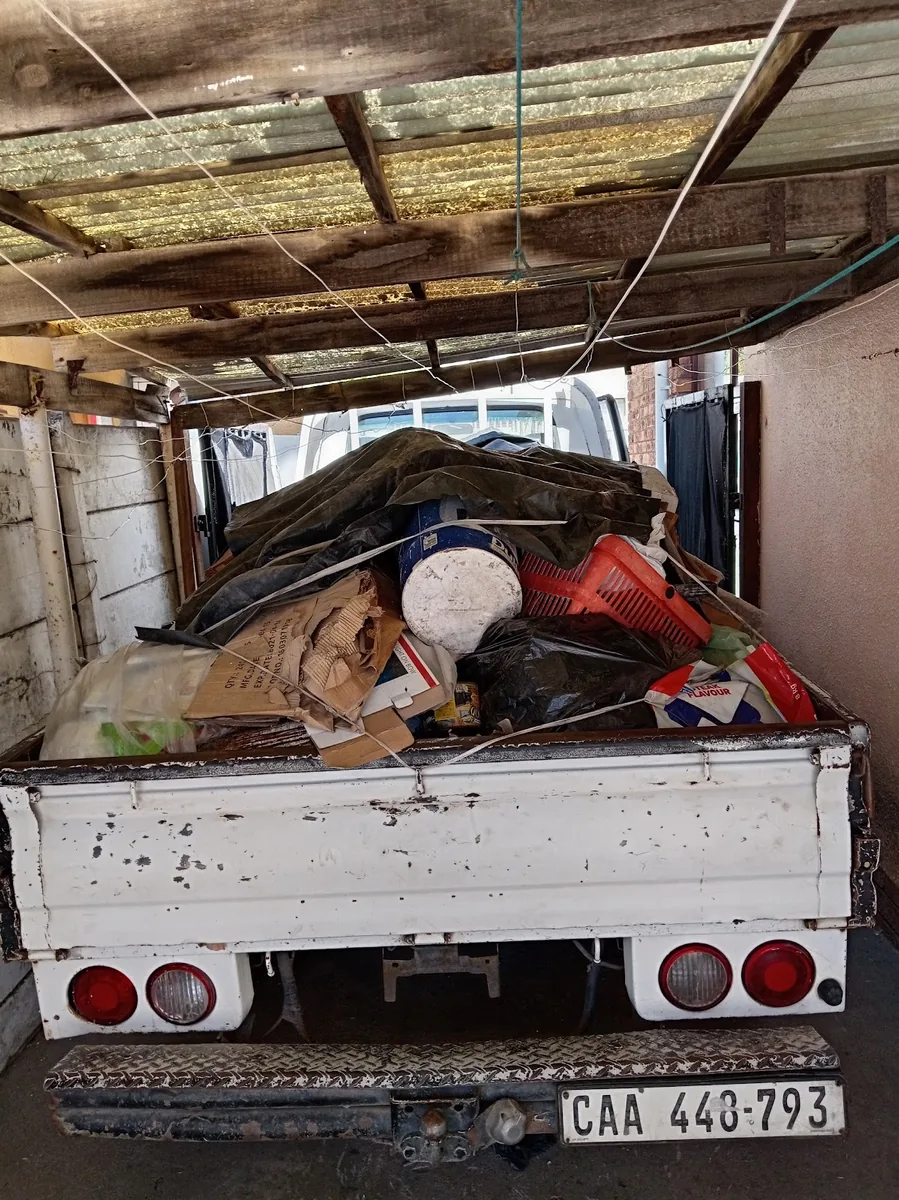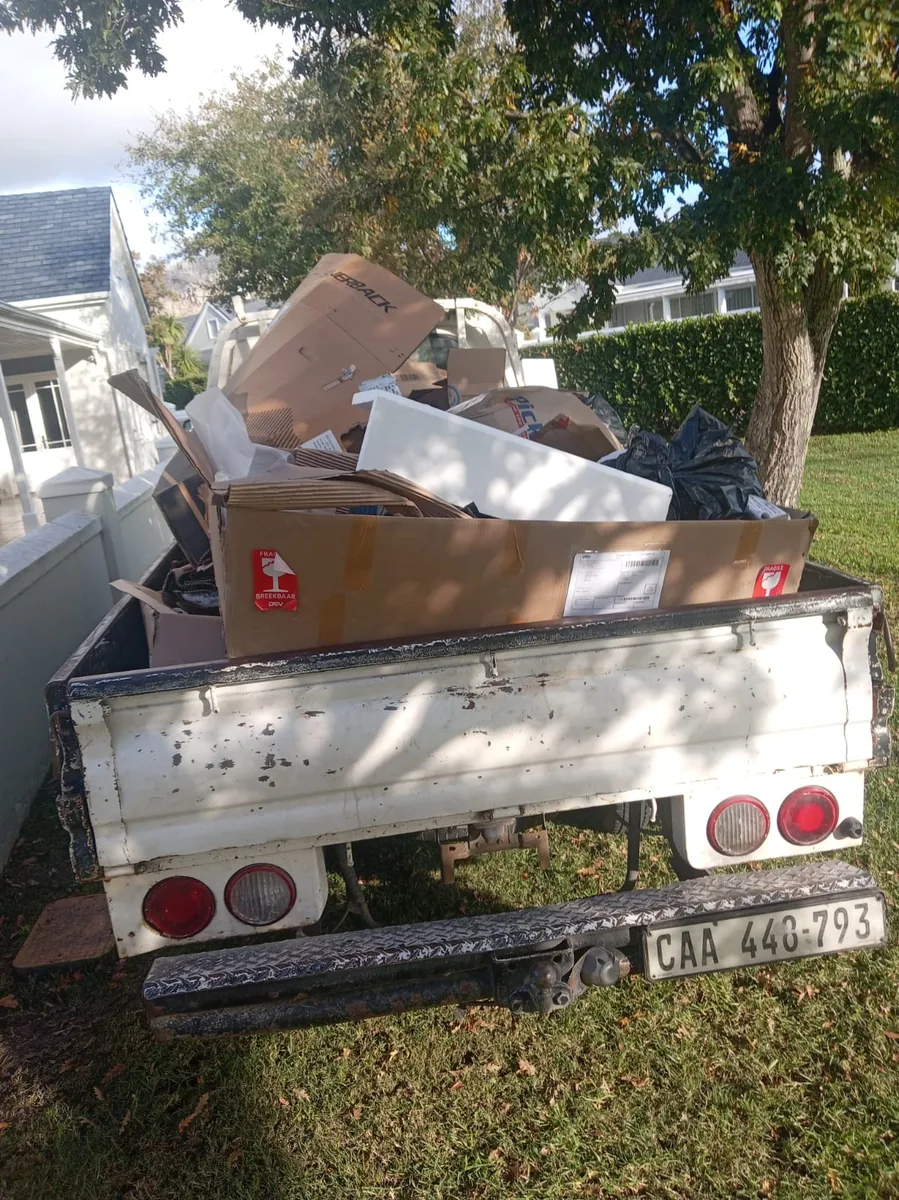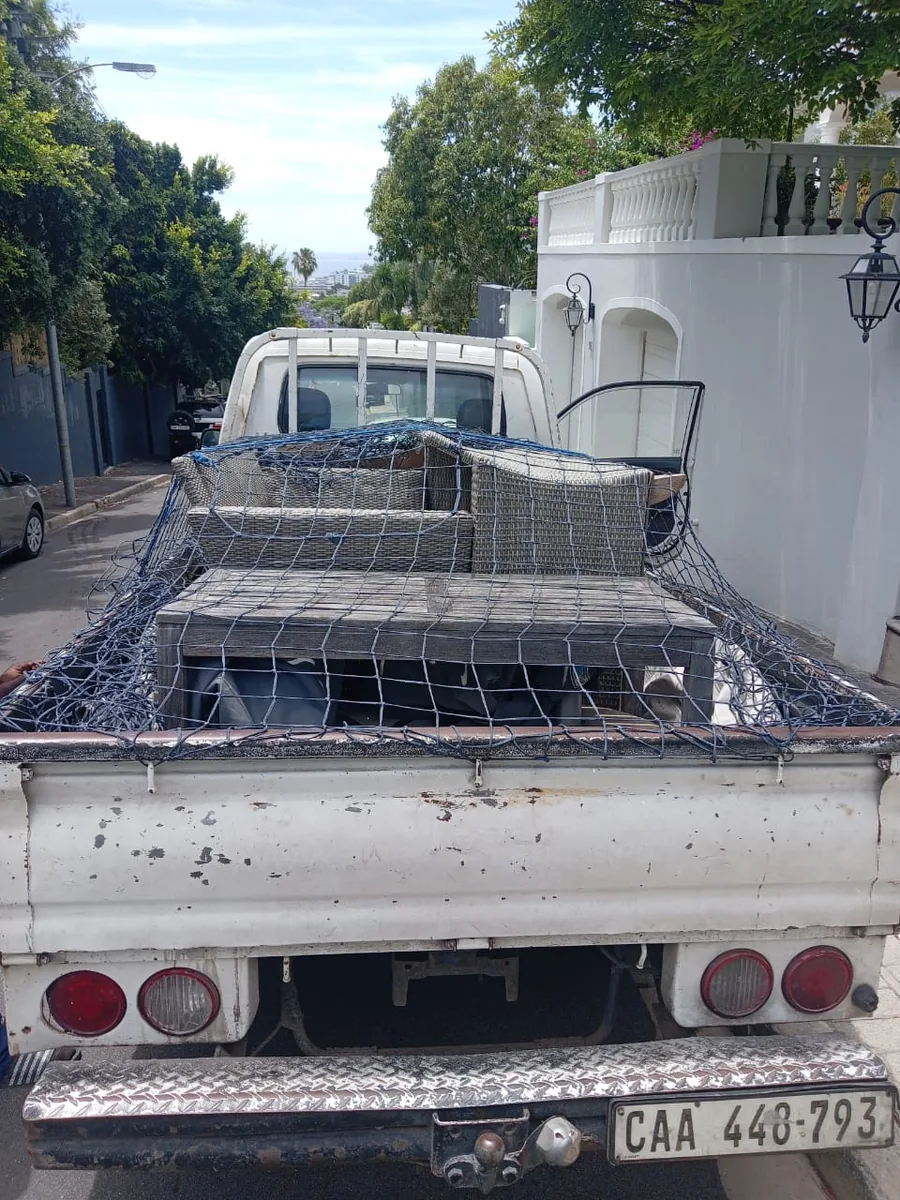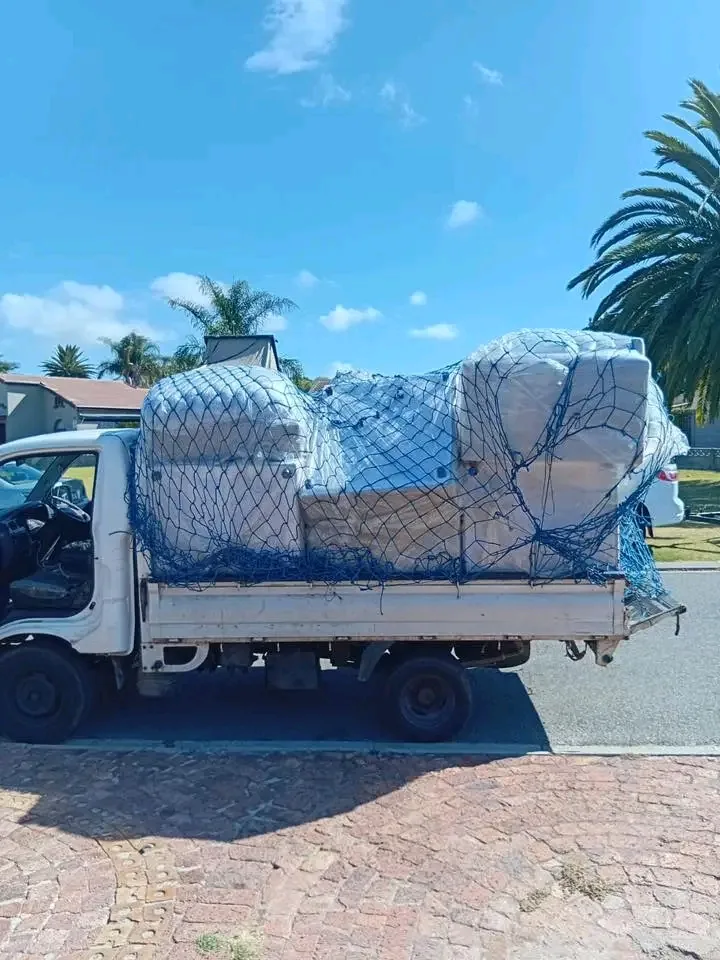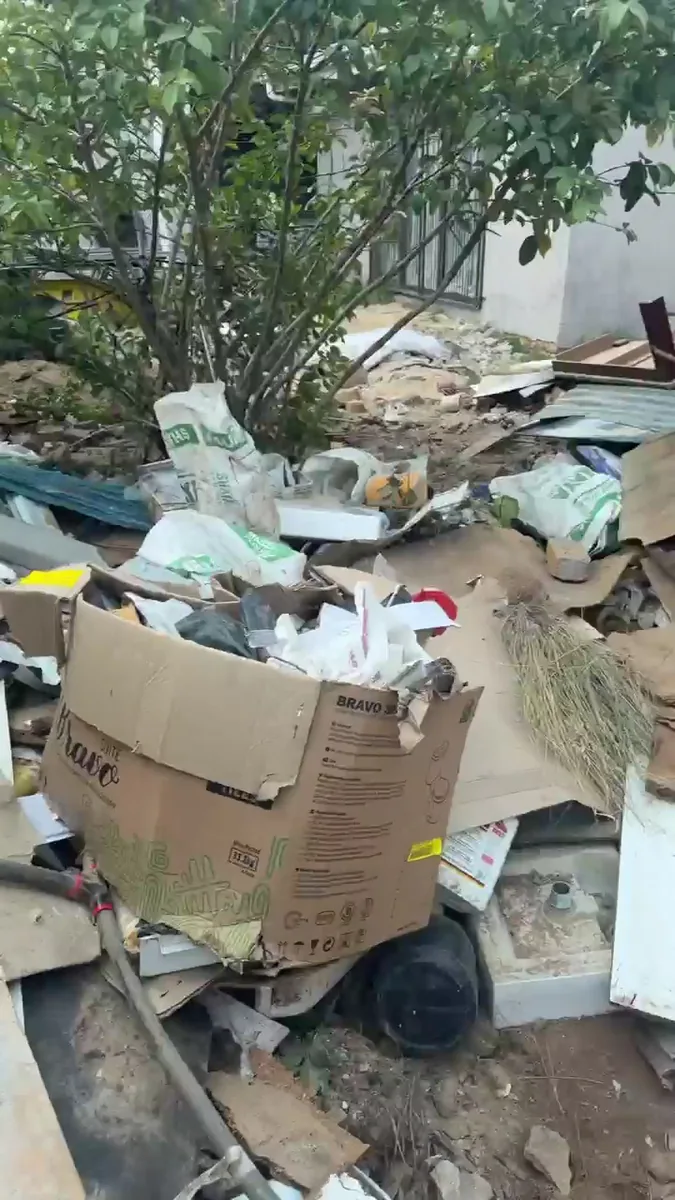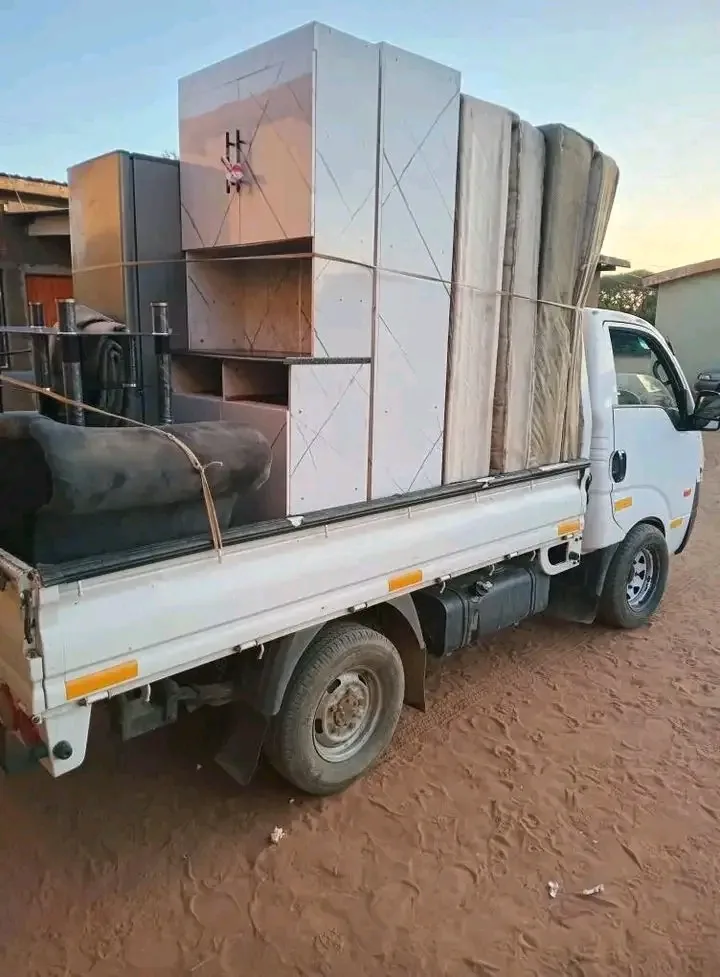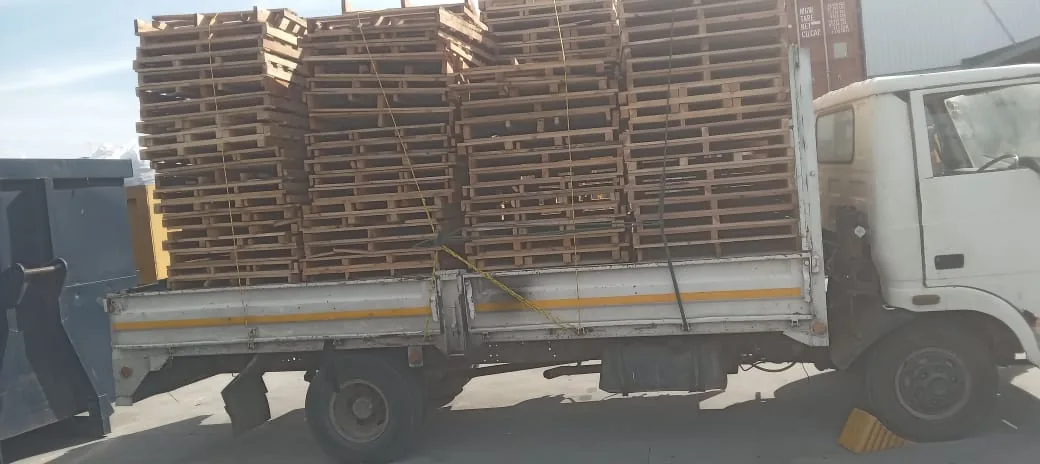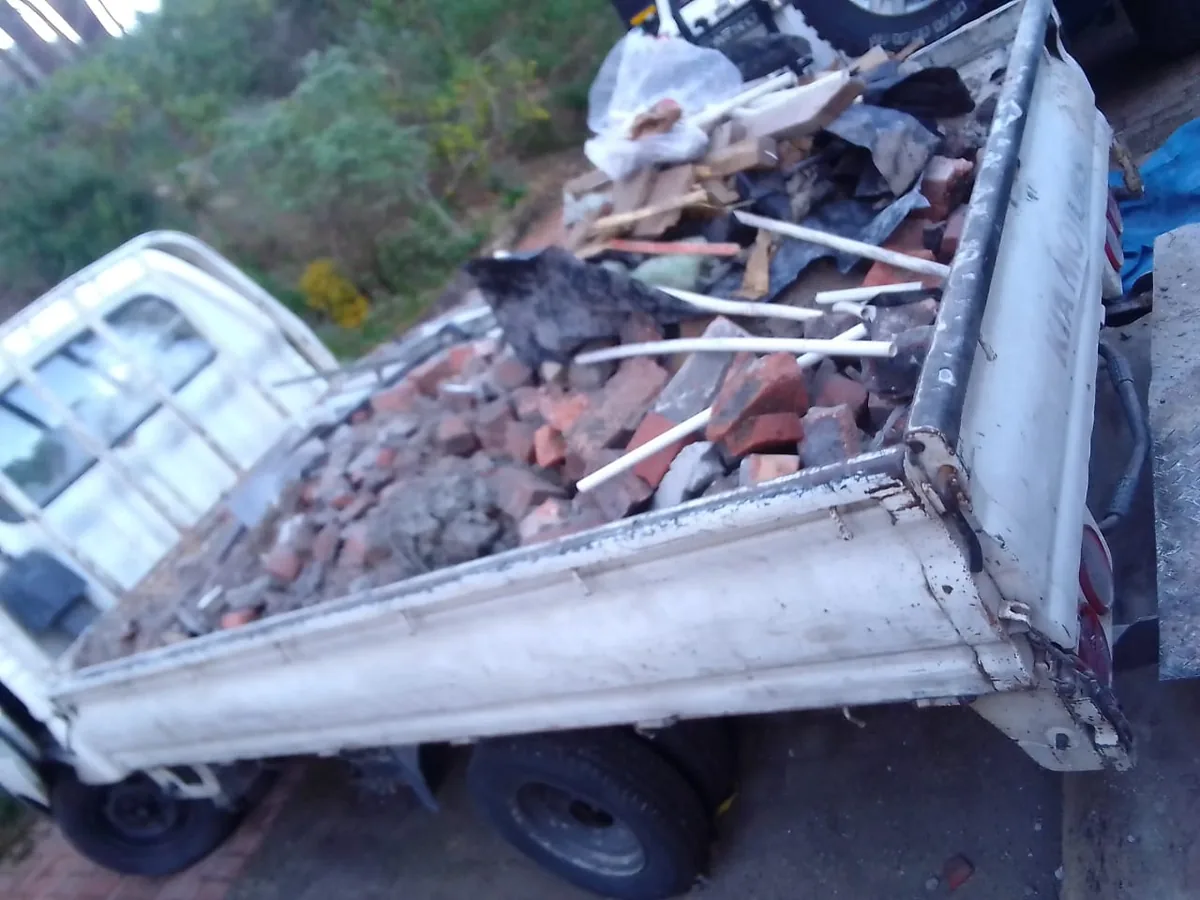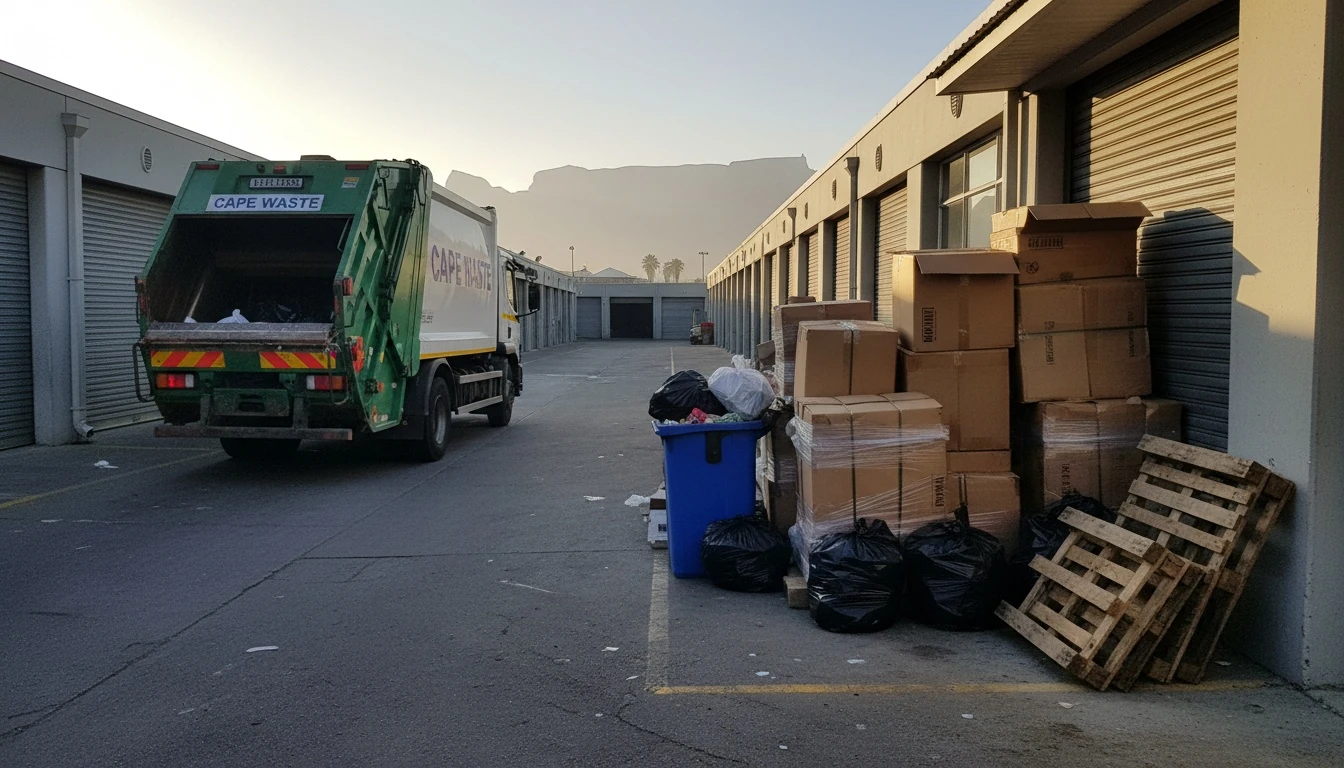
Commercial waste collection in Cape Town runs by a different set of rules to the bin you wheel out at home. The moment waste comes off a business, whether that's an office, a shop, a restaurant, a body corporate or a fit-out, it counts as "business waste" in the eyes of the City, and a business can't simply leave it on the municipal kerbside. This is the practical guide for anyone running a premises in Cape Town: what counts as trade waste, why the by-law treats it separately, the difference between a once-off clearance and a scheduled collection, and how to keep the whole thing compliant without it eating a manager's week.
Key takeaways
- "Business waste" is anything generated by commercial, retail, wholesale, entertainment or office premises — it's a distinct category from household refuse.
- Under the City of Cape Town's Integrated Waste Management By-law (2009), a business is responsible for routing its own trade waste to an authorised service — not the residential kerbside collection.
- Larger waste generators are expected to have an Integrated Waste Management Plan (IWMP) approved by the City's Solid Waste Management directorate.
- The national frame above the by-law is NEMWA (Act 59 of 2008), which sets the waste hierarchy: avoid, reduce, reuse, recycle, recover, then dispose as a last resort.
- Recurring scheduled collection suits a steady-volume premises; a once-off clearance suits a move-out, a fit-out strip or a renovation.
What counts as commercial waste in Cape Town?
The City of Cape Town's by-law draws a clear line: "business waste" is waste that comes off premises used for commercial, retail, wholesale, entertainment or government-administration purposes, and it stretches to informal traders and to homes where a business is being run. That definition is what separates the bin behind a coffee shop from the one outside the house next door. The two are handled, and charged, differently.
Offices & admin
Paper, packaging, redundant furniture, old IT gear and the steady daily refuse a team generates. Usually a predictable weekly volume — a good fit for scheduled collection.
Retail & hospitality
Cardboard, shrink-wrap, broken stock, kitchen and food waste behind a restaurant. Higher and lumpier volumes, often needing more than one pickup a week.
Body corporates
Communal refuse from a block of flats or a complex, plus the bulky items residents leave in the bin yard. A managing agent carries the duty to clear it properly.
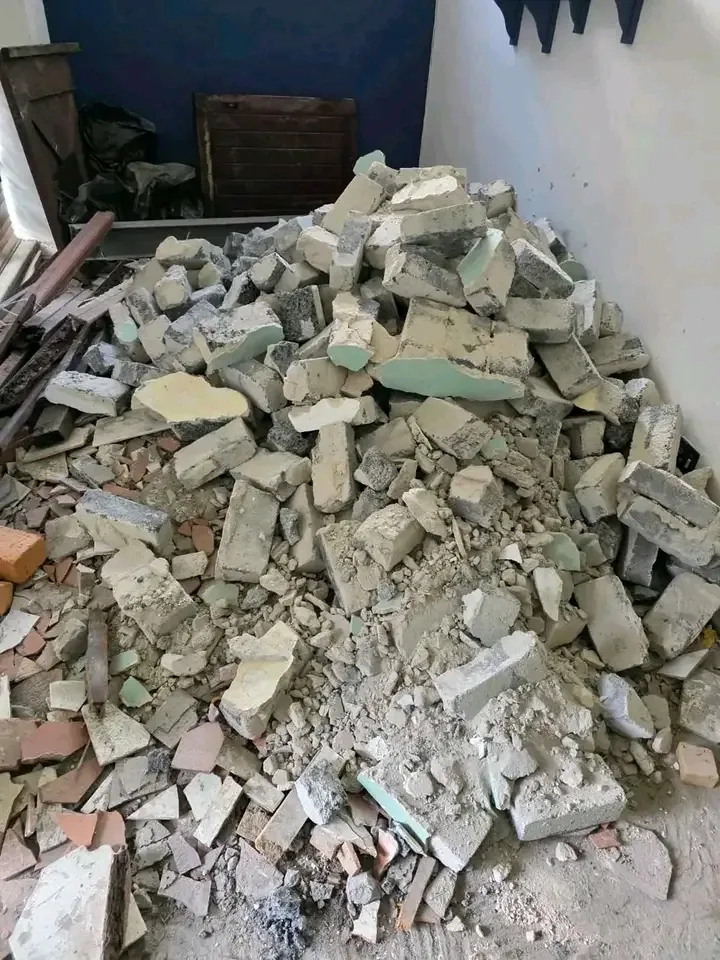
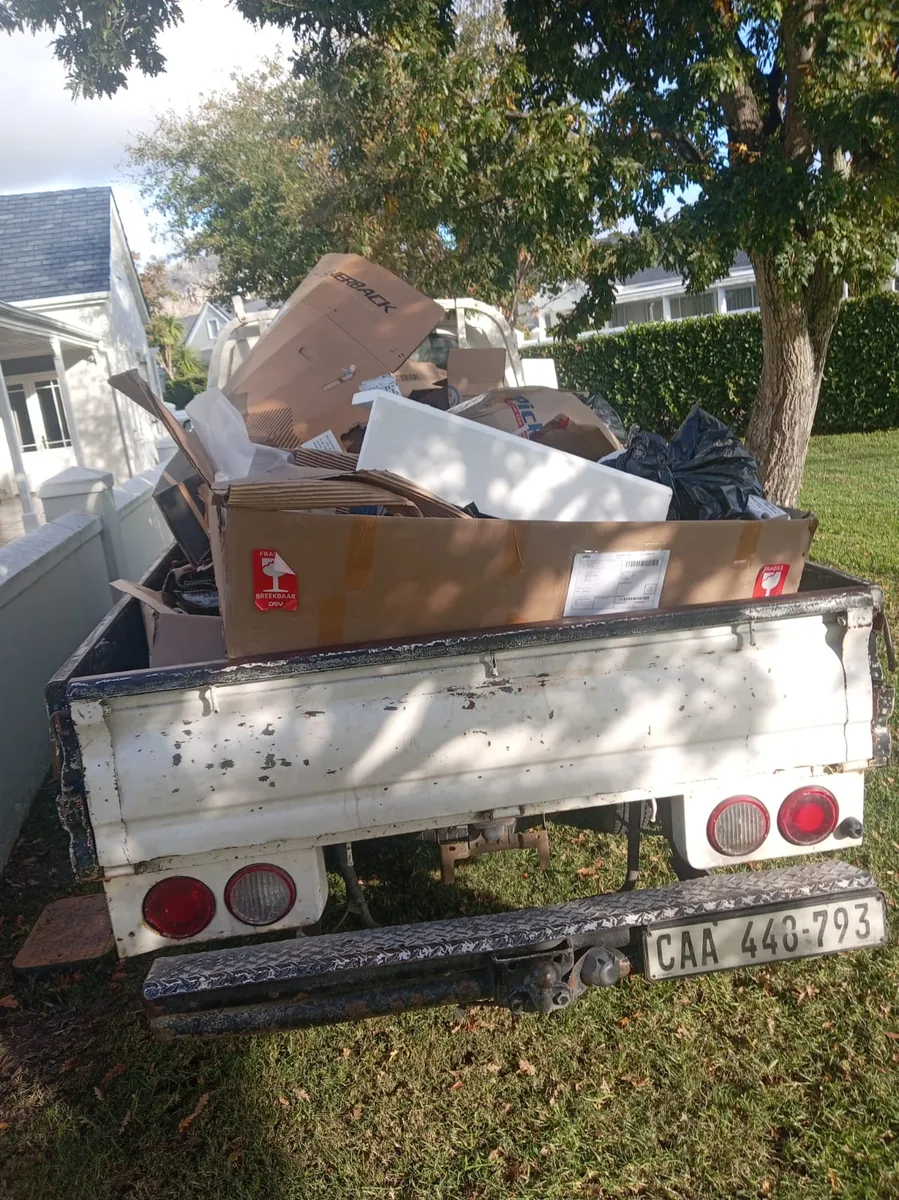
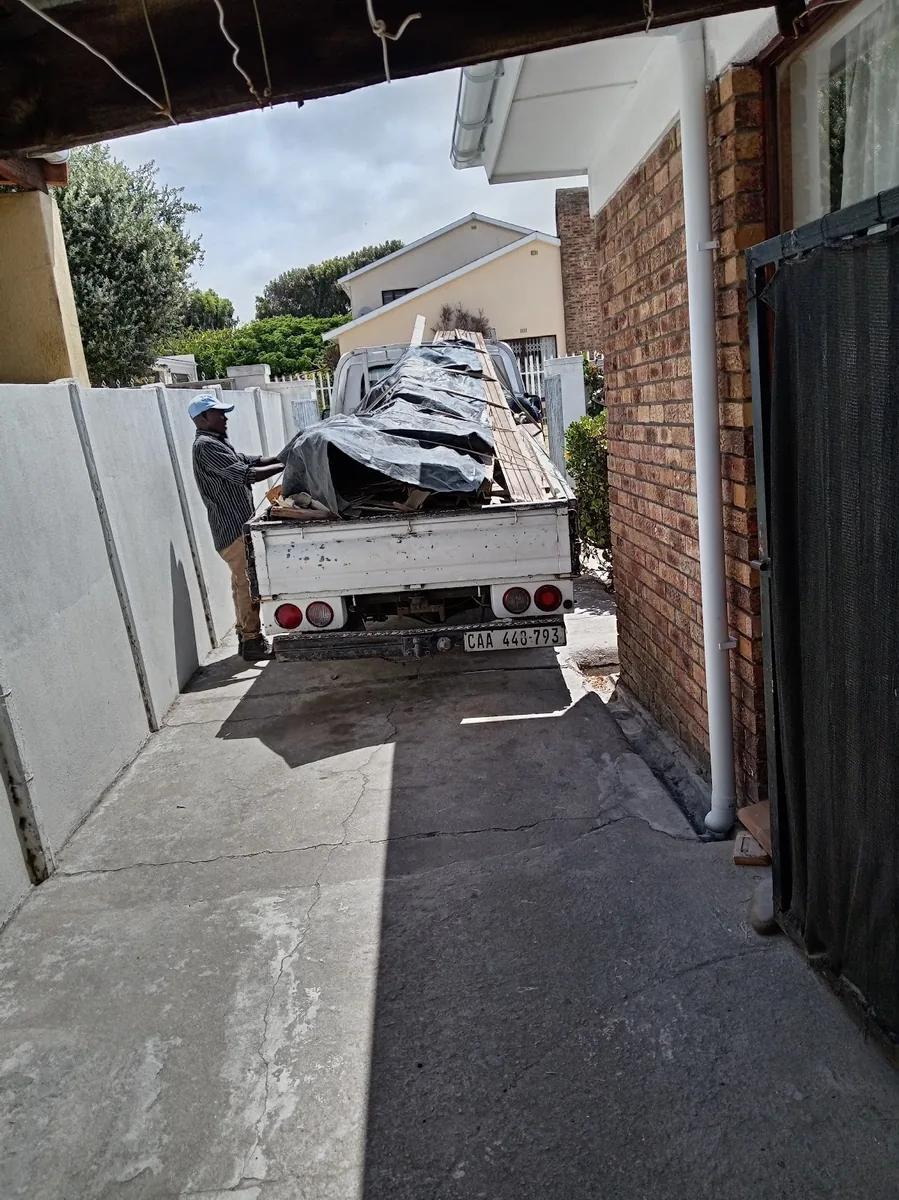
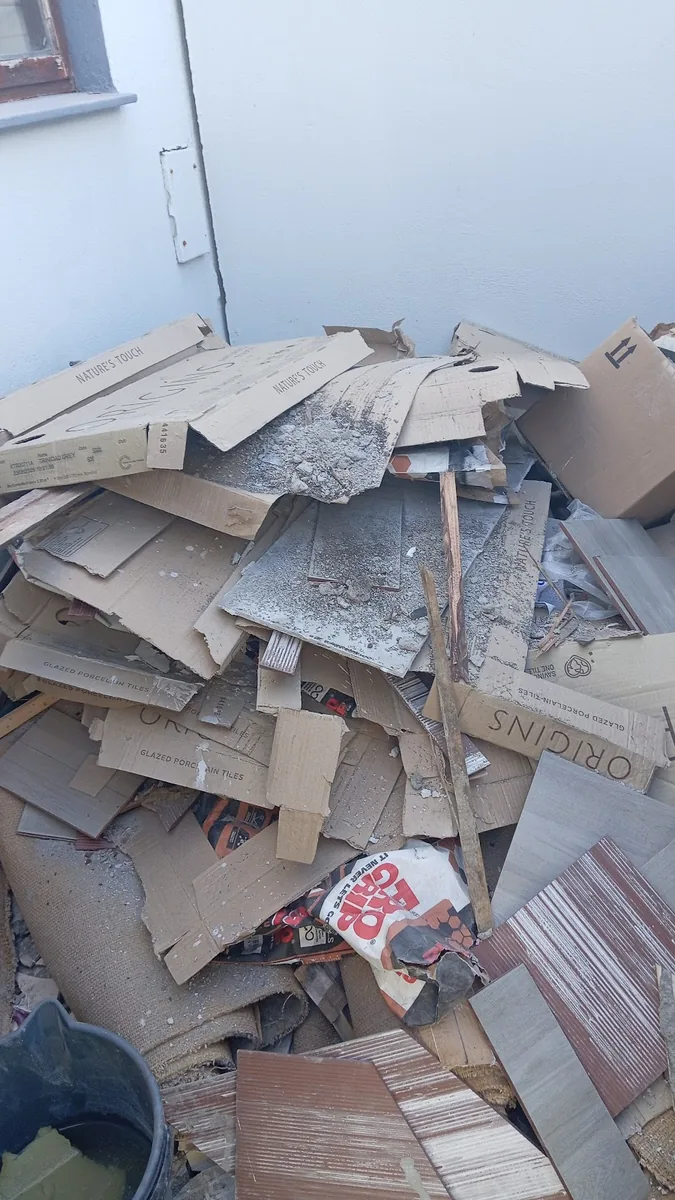
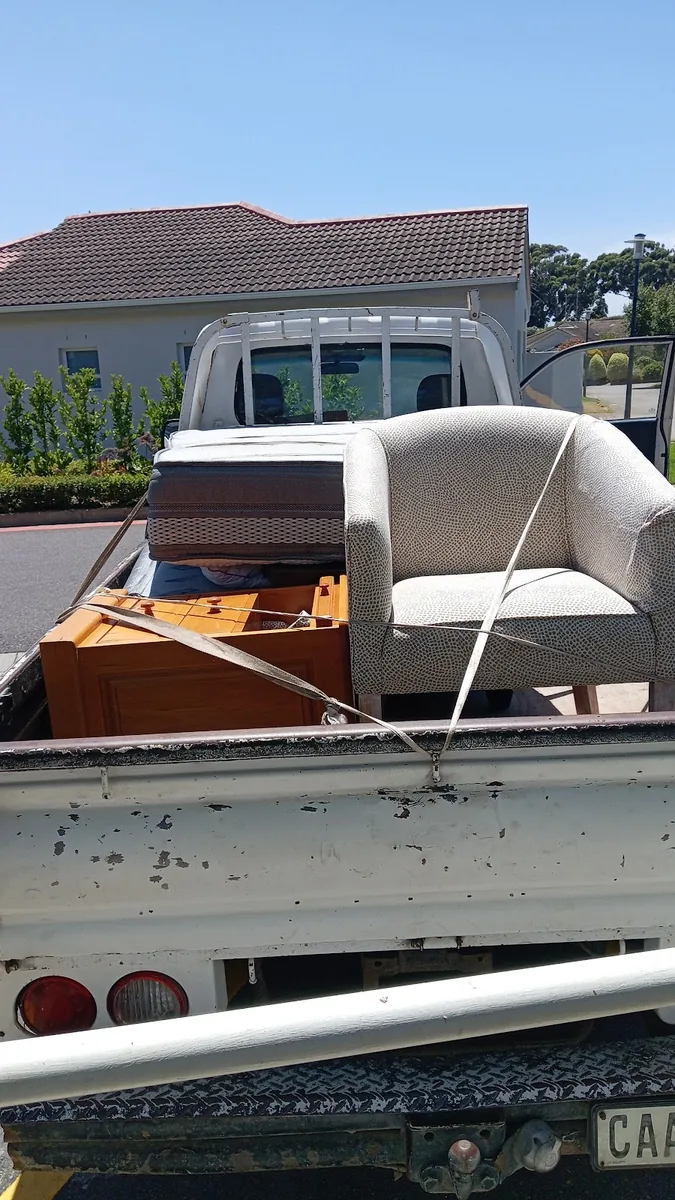
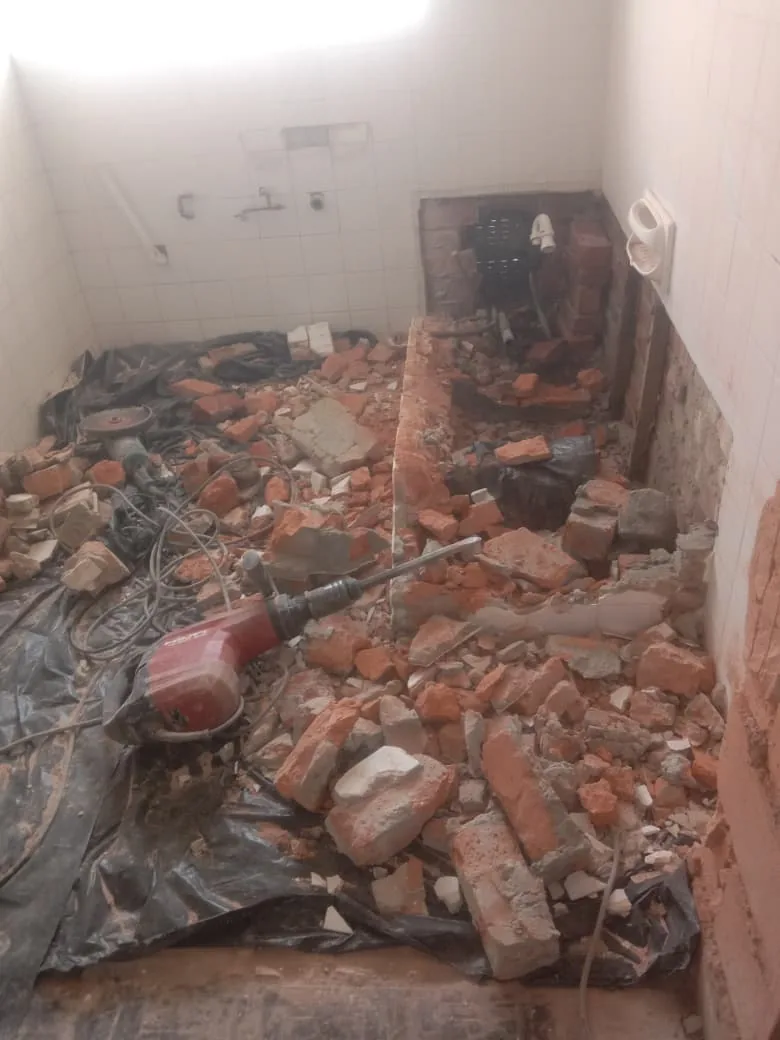
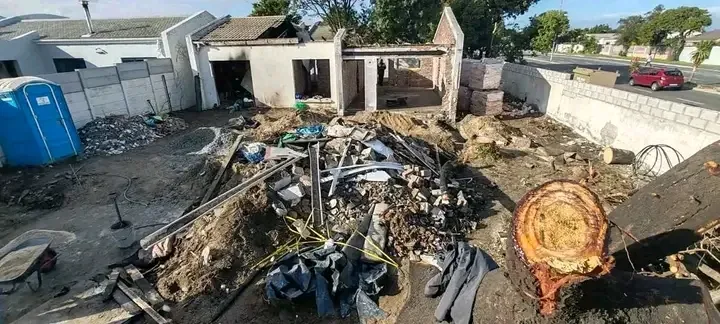
A fit-out, a shop refit or an office move sits a little apart — that's a project clearance rather than ongoing refuse, and it's usually a once-off job. But the principle holds: it's trade waste, and it can't be left for the municipal household round to absorb.
Why a business can't put trade waste on the kerbside
This is the part that catches a lot of new business owners. Residential kerbside collection is sized and paid for as a household service. Trade waste is the generator's own responsibility to route to an authorised service. Leaving business waste out for the domestic round, or worse, dumping it, is exactly what the by-law is written to stop.
The compliance line
Under the City of Cape Town's Integrated Waste Management By-law (2009), waste generators and service providers can be required to hold an approved Integrated Waste Management Plan, and Waste Management Officers can issue compliance notices to anyone contravening the by-law — spelling out the breach, the corrective action and the deadline to fix it. The cheapest way to stay clear of all that is simply to use a collection service set up for trade waste in the first place.
The duty doesn't stop at the bin, either. Section 28 of the National Environmental Management Act places a general duty of care on anyone whose activity could pollute or degrade the environment, so handing waste to an unauthorised carrier who fly-tips it doesn't get a business off the hook. Choosing a proper service is part of meeting that duty.
Once-off clearance vs scheduled collection
Most commercial enquiries fall into one of two shapes, and knowing which you need keeps the cost honest. A steady premises generating a predictable volume wants a repeating slot; a one-time event like a move, a strip-out or a clear-down wants a single visit sized to the pile.
Scheduled collection
A repeating pickup — weekly, fortnightly or to a pattern that matches your volume. Best for offices, shops, restaurants and body corporates with steady refuse. Predictable cost, nothing piles up, and the run becomes a standing arrangement rather than a scramble.
Once-off clearance
A single visit for a move-out, a shop refit, an office downsize or a renovation. Sized to the load on the day. Best when the waste is a one-time event, not an ongoing stream, so you pay for the clearance, not a contract.

What we collect — and what needs a separate stream
Most of what a Cape Town business throws out is general trade waste we move all day: packaging, cardboard, broken furniture, old fittings, redundant stock and the bulky items a wheelie bin won't take. A few streams, though, are regulated separately and can't be tipped with the general load — the by-law and NEMWA both treat them as their own categories.
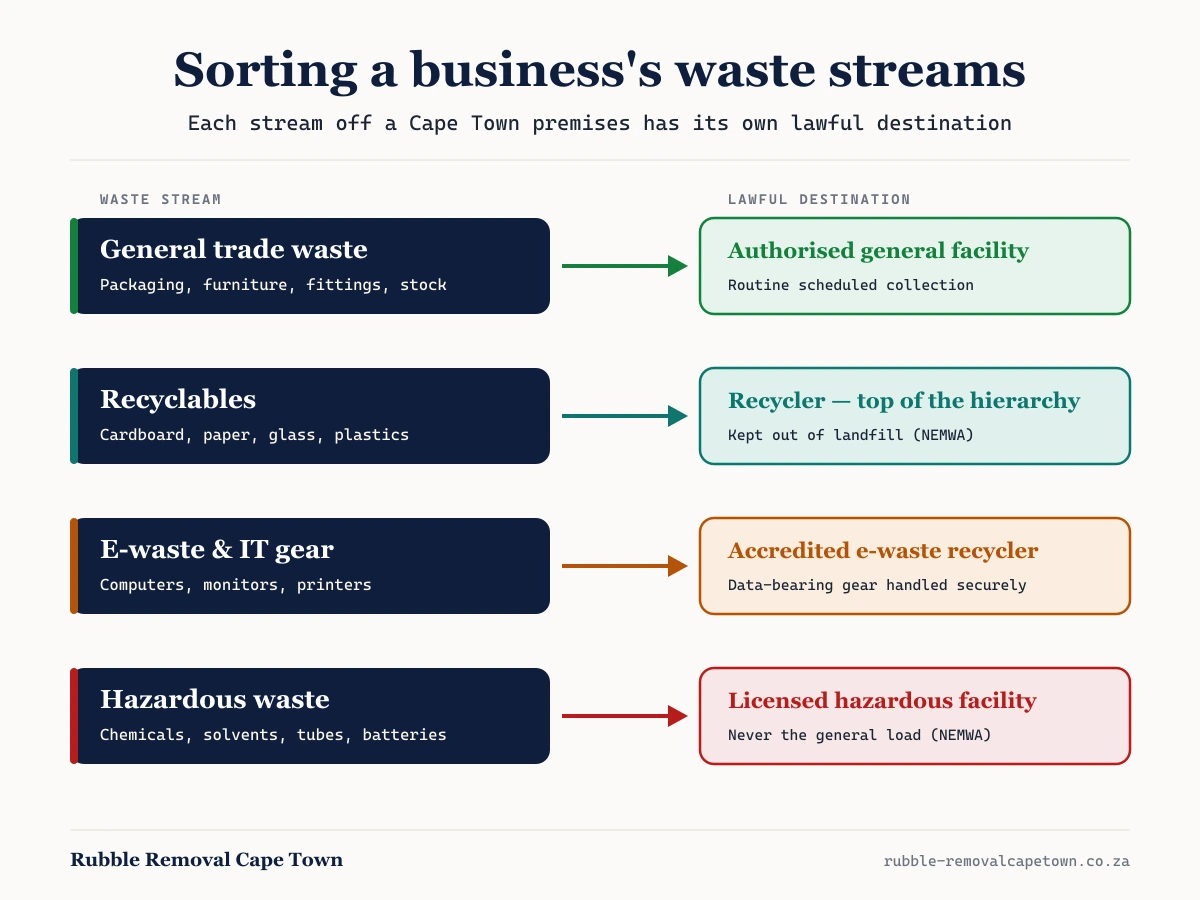
General trade waste
Packaging, cardboard, furniture, fittings, redundant stock, bulky items. The routine collection stream — sorted for recyclables where it makes sense, the rest to an authorised general facility.
Recyclables
Clean cardboard, paper, glass and certain plastics. Separating these at source sits at the top of the NEMWA hierarchy and keeps volume out of landfill — often the cheapest option too.
E-waste & IT gear
Old computers, monitors, printers and electricals are a regulated stream. They can't go to general landfill, so they route to an accredited e-waste recycler, with data-bearing gear handled for security.
Hazardous waste
Chemicals, solvents, fluorescent tubes, certain batteries and medical waste are hazardous under NEMWA, needing a licensed facility — never the general trade-waste load.
How commercial collection is priced
Commercial pricing turns on volume, frequency and access, not on a flat per-bag rate. Getting an accurate figure is mostly about describing the job properly up front. The clearer the picture, the firmer the quote, and the less chance of a number changing when the truck pulls up.
| What drives the price | Why it matters |
|---|---|
| Volume per visit | Sized in cubic metres or loads — the single biggest factor in any quote. |
| Frequency | A standing weekly run is usually keener per visit than ad-hoc once-off call-outs. |
| Access & stairs | A basement bin yard or an upper-floor office takes longer to load than a ground-floor bay. |
| Waste type | Clean recyclables are cheap to route; e-waste and hazardous streams carry their own handling cost. |
For a once-off, a photo of the pile and the suburb is usually enough to ask for a scheduled-collection quote or a one-time clearance figure. For a recurring contract, a quick walk-through of the bin yard and an honest read on weekly volume gets you a per-visit rate you can budget around.
Setting up a recurring collection that just works
The businesses that stop thinking about waste are the ones that turn it into a standing arrangement — a fixed slot, a known crew and a volume that's already been sized. It takes one proper set-up conversation and then it runs in the background.
Size the real volume
Track a normal week before you commit. Over-sizing the slot wastes money; under-sizing it means overflow. A short trial run gives the honest number to build the schedule on.
Separate at source
Splitting recyclables, e-waste and general refuse where they're generated follows the NEMWA hierarchy, cuts what goes to landfill, and usually trims the bill.
Fix the access window
Agree a time the bin yard is reachable and the bay is clear. A collection that never has to wait for a gate or a parked car is a faster, cheaper run every week.
Keep one point of contact
One crew that knows your premises, your access and your volume turns waste from a monthly problem into a standing line item. It's the same rubble and waste removal across Cape Town a household books, run to a business rhythm.
If you're in the city bowl or the central business district, access and parking windows matter more than anywhere — see how we work the CBD and city-bowl business district, and the full range of what we clear is set out under what we clear.
Running a premises that needs a regular clear? Tell us your suburb, rough weekly volume and access, and we'll come back with a per-visit figure — or a once-off price if it's a fit-out or a move. Start on the quote form.
Frequently asked questions
Can a business use the normal municipal bin collection?
No — trade waste is the generator's own responsibility under the City's by-law. A business routes its waste to an authorised collection service rather than the residential kerbside round.
What is classed as business waste?
Waste from premises used for commercial, retail, wholesale, entertainment or office purposes — and from homes where a business is run. It's a separate category from household refuse.
Do I need a waste management plan for my business?
Larger waste generators can be required to hold an Integrated Waste Management Plan approved by the City. Using a proper collection service is the practical first step to staying compliant.
What are the steps of office waste management?
Sort at source, store safely, collect on a schedule, and route each stream — recyclables, e-waste, hazardous and general, to its correct authorised destination. The aim is less to landfill and a compliant trail.
How is commercial collection priced?
On volume, frequency and access — not a flat per-bag rate. A standing weekly run is usually keener per visit than ad-hoc call-outs; e-waste and hazardous streams cost more to handle.
Can you handle a once-off office or shop clearance?
Yes — a move-out, a shop refit or an office downsize is a single visit sized to the load. You pay for the clearance on the day rather than signing up to a recurring contract.
Keep reading
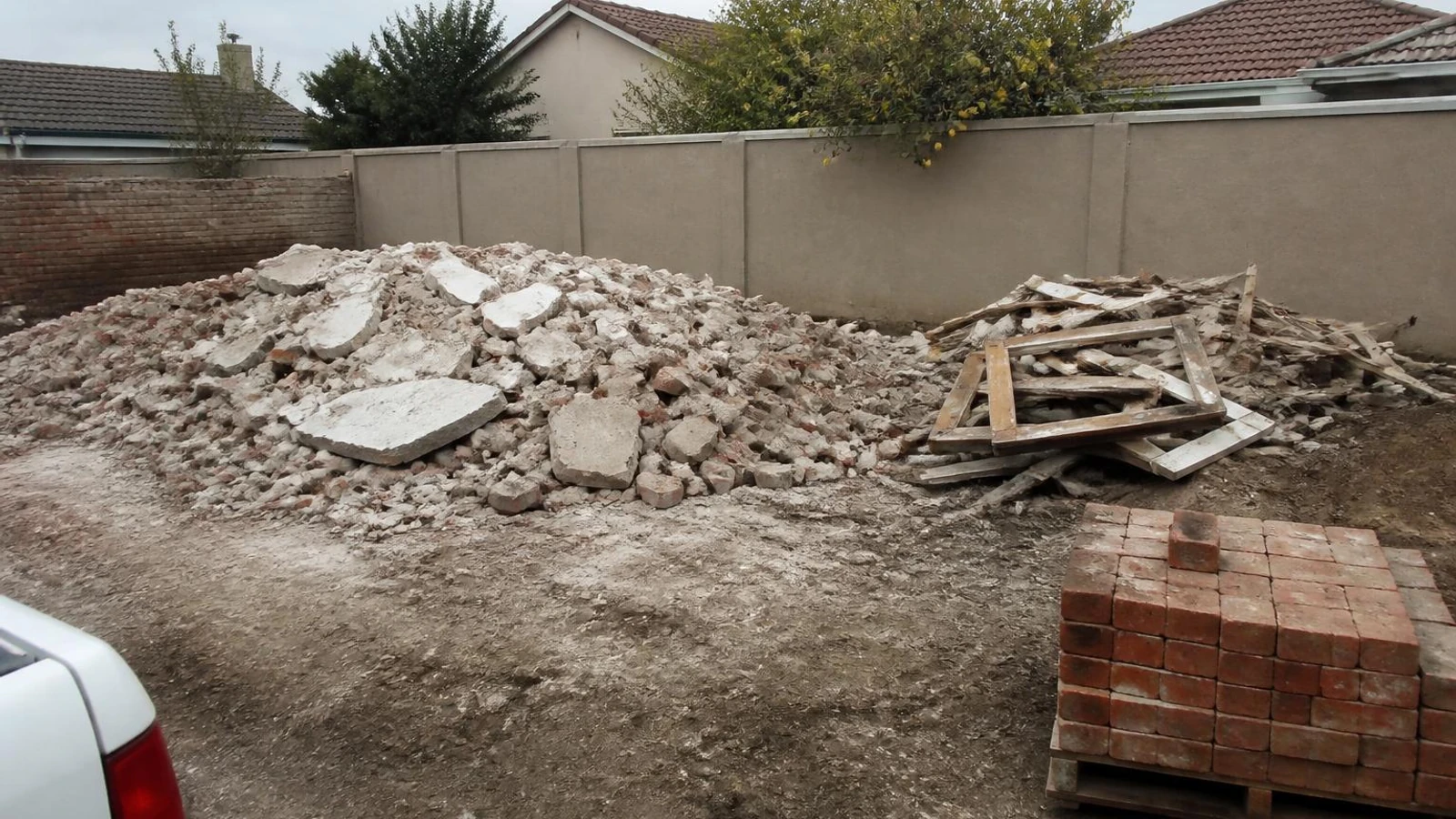
Demolition Debris Removal Cape Town
A knock-down leaves a heap far bigger than the wall it came from, and in Cape Town the paperwork follows the debris all the way to the weighbridge. Here is the order it runs in, and how to get the plot clear without a problem at final inspection.

Bulky Waste Collection Cape Town
Cape Town has no bulky waste round. The City collects what fits in your wheelie bin, and everything larger is yours to move — so the real question is whether a skip or a one-off collection suits the size of the load you are actually looking at.
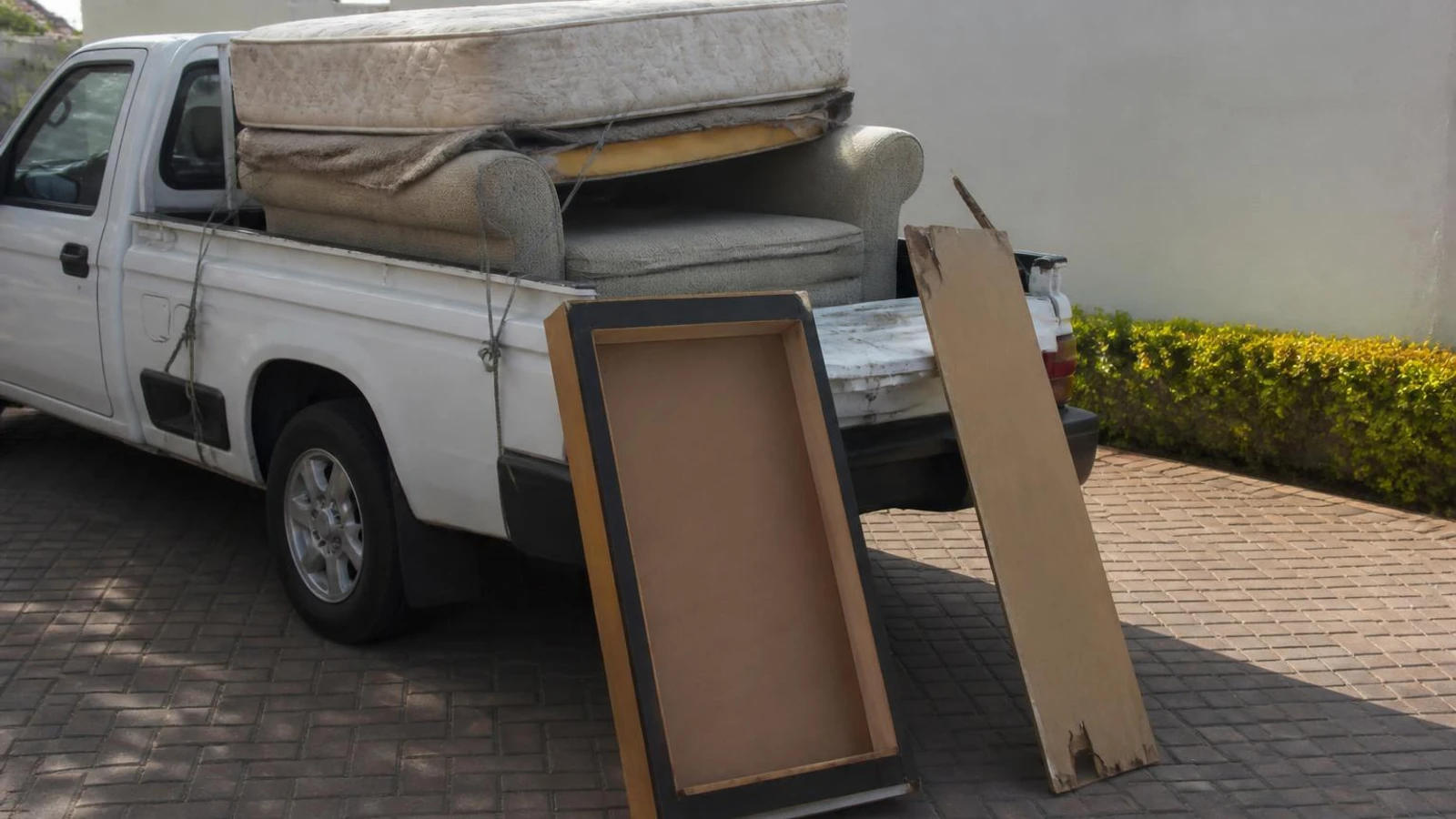
Mattress & Furniture Removal Cape Town
A mattress is the one thing in a house that nobody has a plan for. Here's how mattress and old furniture removal actually works in Cape Town — the municipal rules, who takes a donation, and when a paid collection is the sensible answer.