Skip Hire Cape Town — 4, 6 & 12 m³ Skip Bin Prices From R900
What each skip size costs, how many days that price buys you, where the bin is allowed to stand, and what you can't put in it. Weighing a skip against a collection? Send us the job and we'll quote both.
Years Experience
Suburbs Served
Google Rating
Owner-Led
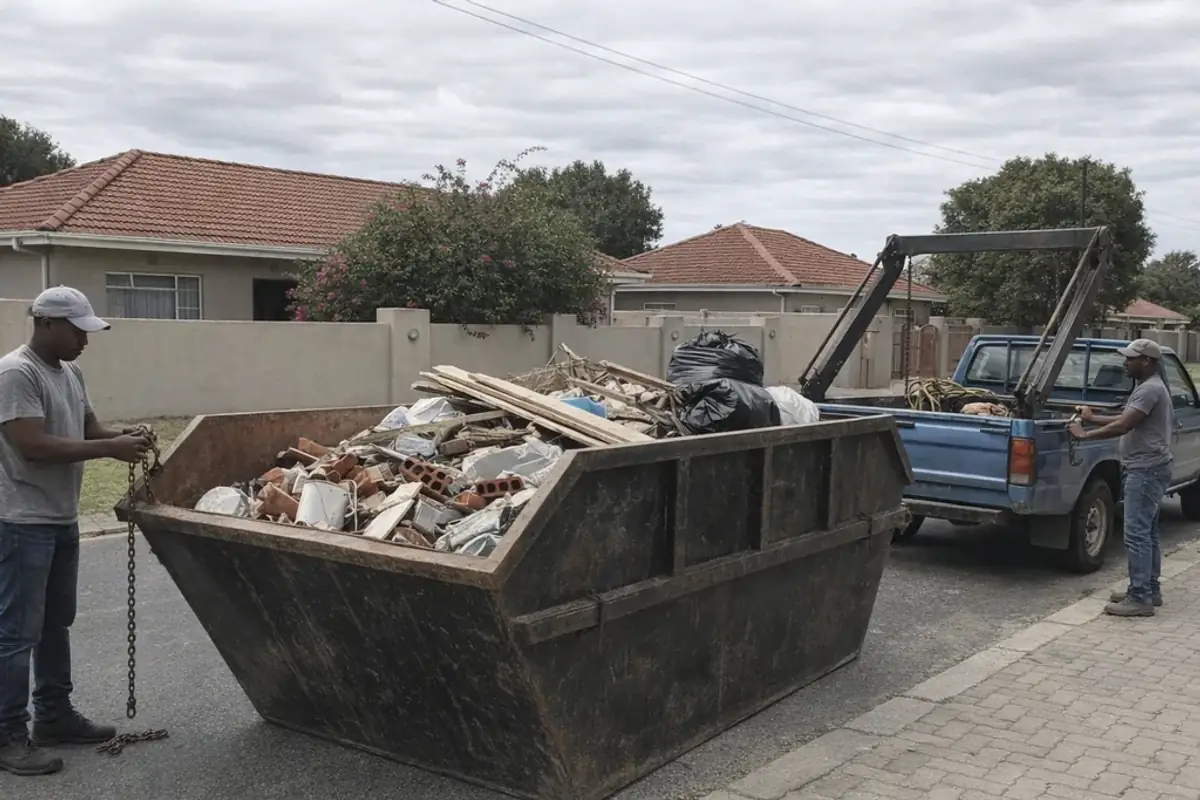
Skip hire prices in Cape Town start at R900 for a 4 m³ mini-skip and run to R2,800–R3,500 for a 12 m³ maxi-skip, with delivery, collection, the tipping fee and VAT inside the figure. You rent the bin, it stands on your driveway (or, with a council permit, on the verge) for the hire period, you fill it at your own pace, and we lift it and tip the contents at a licensed site. The full table is below.
We deliver across all 66 Cape Town suburbs, from the Atlantic Seaboard out to Durbanville and the Northern Suburbs. Atlantic Seaboard, Constantia and Helderberg addresses carry a small access surcharge for tight-driveway deliveries.
Skip bin prices in Cape Town by size
Three sizes, three skip bin hire rates, and the hire period each one already includes. Skips are priced by volume in cubic metres, so a bin of light renovation offcuts and a bin of broken concrete cost the same to hire.
| Skip size | Hire price (incl. tipping & VAT) | Hire period included | Roughly what it holds |
|---|---|---|---|
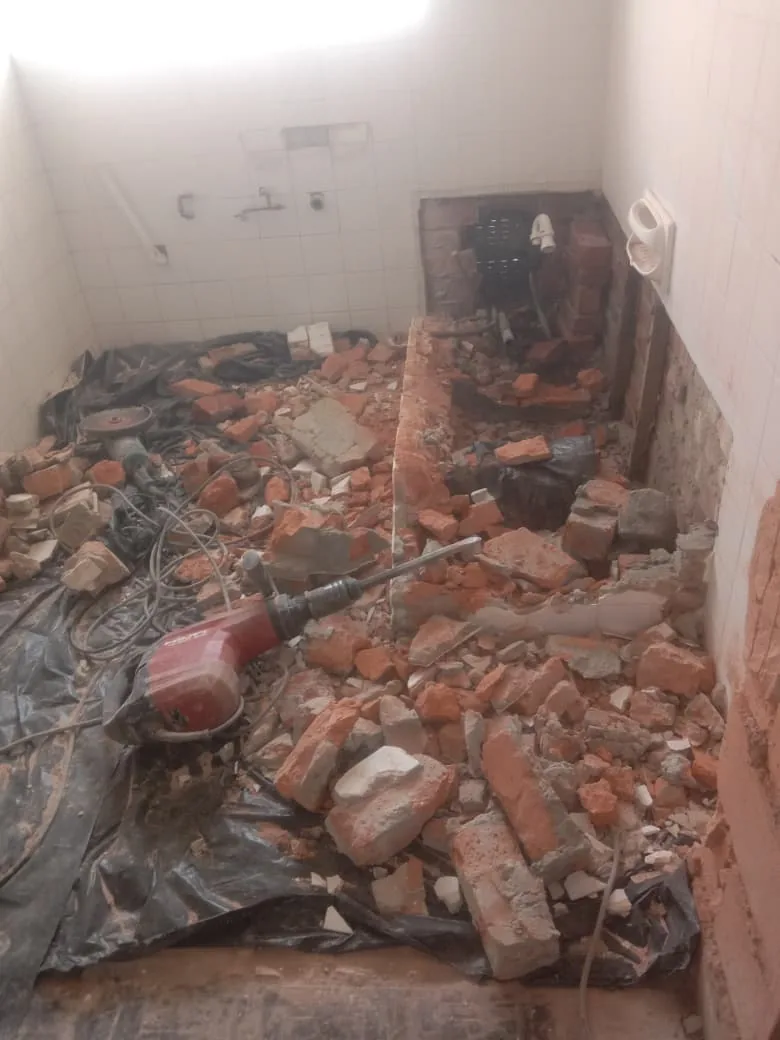
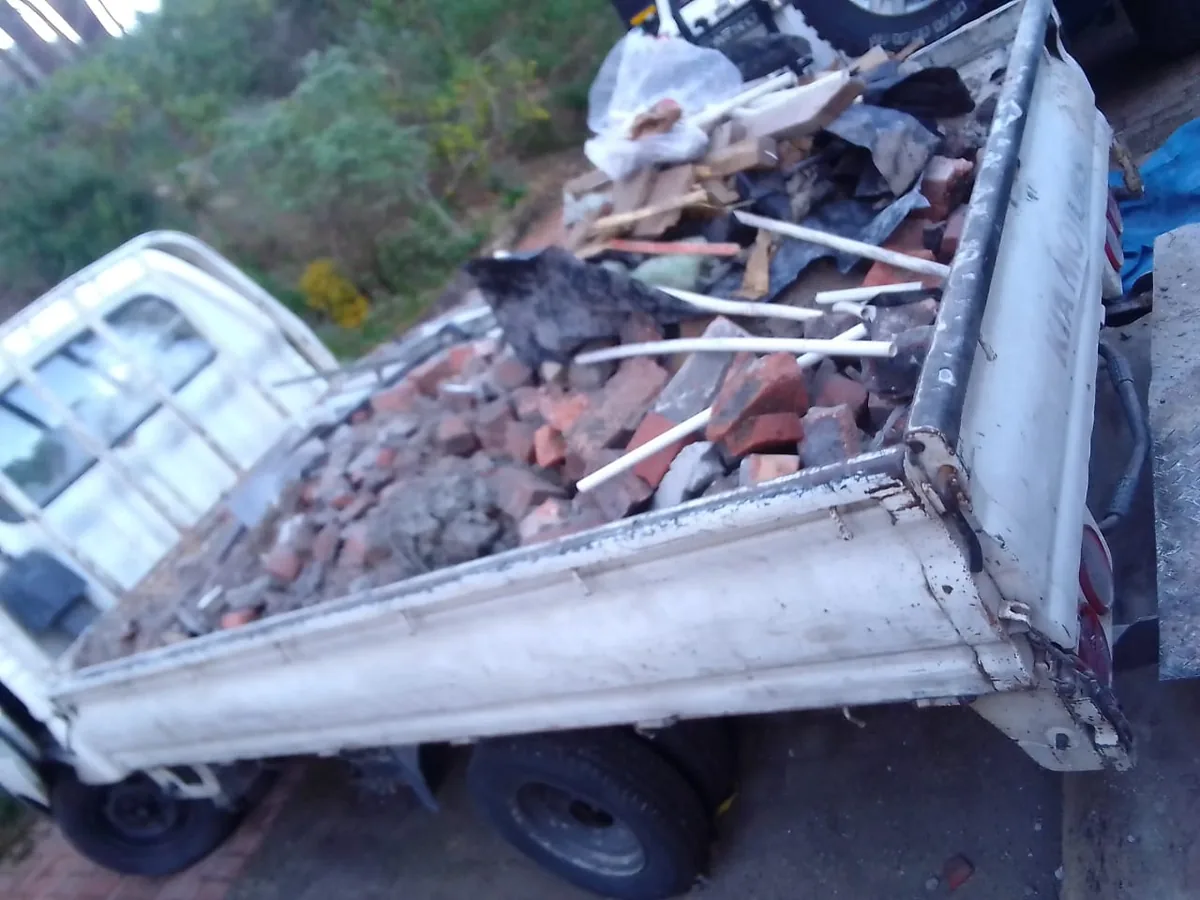
| 4 m³ mini-skip | R900 – R1,400 | 1–3 days | About a full bakkie load — roughly 16 wheelie bins by volume. Garage clean-out, single-room strip-out, a kitchen reno. |
| 6 m³ midi-skip | R1,400 – R2,000 | 3–5 days | Roughly 25 wheelie bins. A bathroom plus a small kitchen, or a garden overhaul spread over a few weekends. |
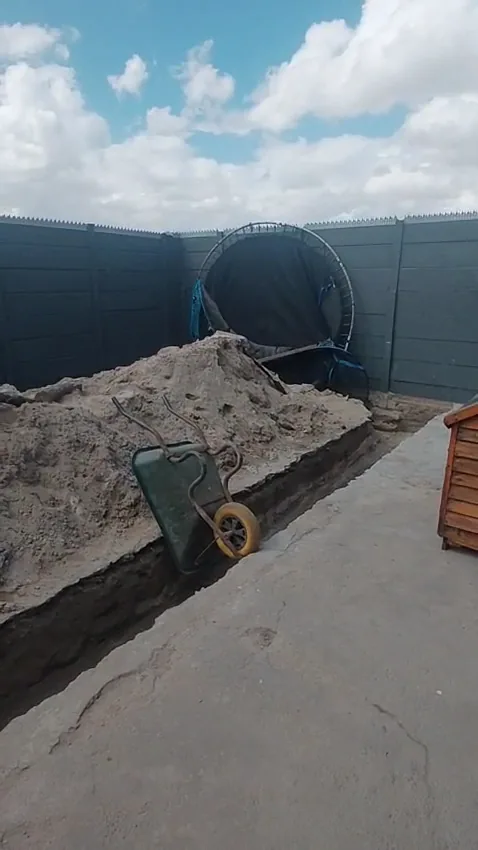
| 12 m³ maxi-skip | R2,800 – R3,500 | 7 days | Roughly 50 wheelie bins. A full-house gut, a commercial demolition, or a large yard clear. |
All prices include delivery, collection, tipping fees and VAT. The wheelie-bin comparison is a volume guide only, against the City's standard 240-litre bin. Every quote is confirmed on-site before delivery.
What changes the price of a skip in Cape Town?
Two quotes for the same skip can land a long way apart, and it is almost never the bin that differs. What moves the price is where it sits, how long you keep it, and what goes in it. These are the five things that set the cost of skip bin hire, so you can read any quote you're given and see what you're actually being charged for.
- Size. The single biggest factor, and the one in the table above. Skips are priced by volume in cubic metres, not by weight, so a bin of light renovation offcuts and a bin of broken concrete cost the same to hire.
- Hire period. Each price above already includes its own hire period — 1–3 days on a mini, 3–5 on a midi, 7 on a maxi. Additional days beyond that are usually R80–R150 each.
- Placement and permits. A skip inside your own driveway needs no council permission. A skip that blocks any part of a public road or pavement needs a City of Cape Town permit, roughly R200 a week, and that is a separate line from the hire itself.
- What you put in it. Clean builder's rubble, mixed household waste and green garden refuse are tipped at different facilities under different fee structures. A single clean stream is the cheapest load to dispose of; mixing hazardous items into a general skip is the fastest way to have it refused at the gate and re-quoted.
- Access and suburb. Steep or narrow streets, shared driveways and body-corporate gate rules all add real time to a delivery. Atlantic Seaboard, Constantia and Helderberg addresses carry a small access surcharge for that reason.
Which size: mini, midi or maxi?
Mini skip hire is the cheapest option: the 4 m³ mini-skip at R900–R1,400 is the smallest bin we deliver and the right call for a contained job — a garage clean-out, a single-room strip-out, one kitchen. The 6 m³ midi-skip at R1,400–R2,000 is the size most Cape Town homeowners ask for by name, and it usually suits a bathroom-plus-small-kitchen renovation or a serious garden overhaul. The 12 m³ maxi-skip at R2,800–R3,500 is a full-house gut or a commercial demolition, where several teams are dumping through the week.
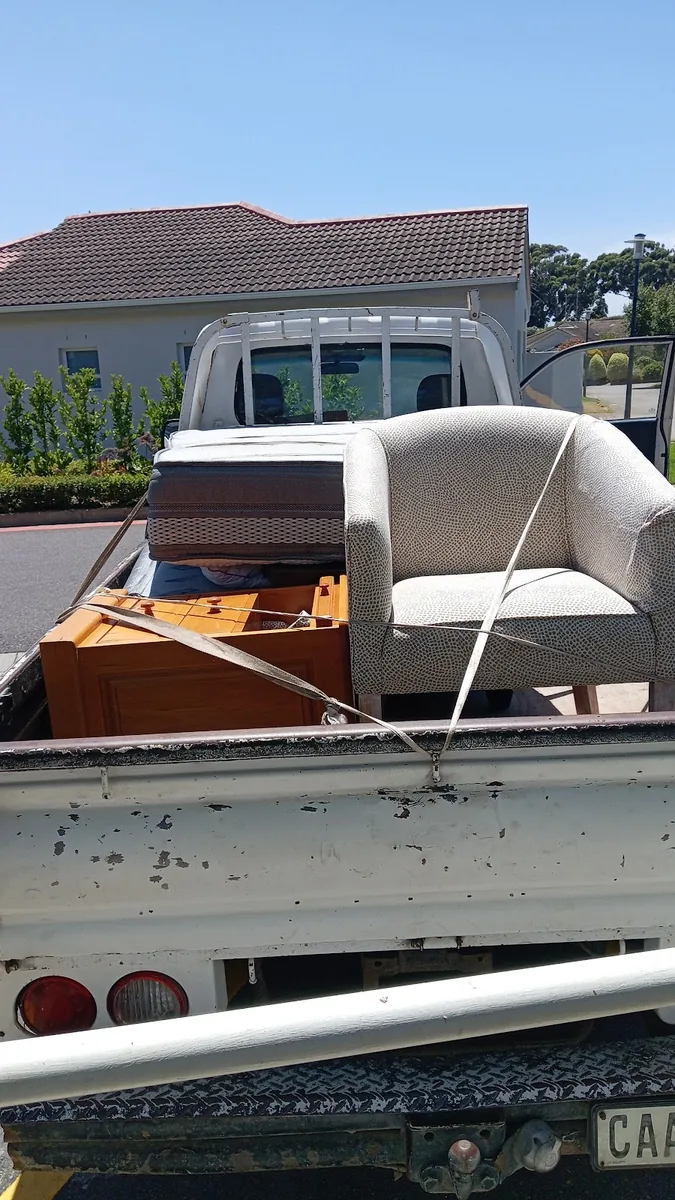
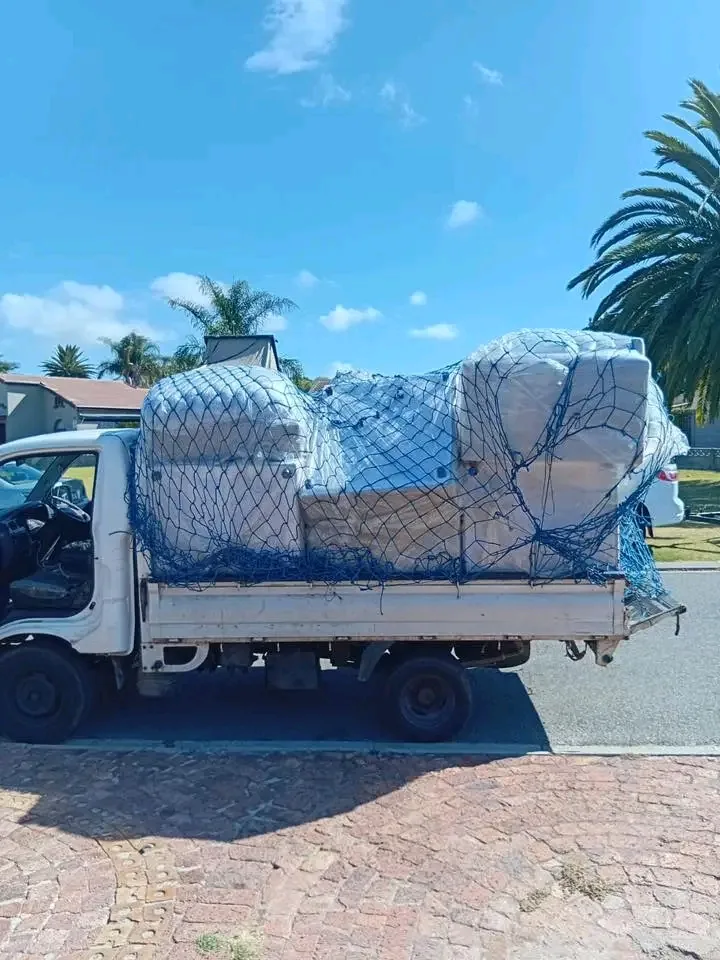
The one mistake worth avoiding is sizing the bin to the pile that exists today rather than to the whole job. A mini-skip filled on day two of a week-long strip-out means paying for a second delivery, and two mini-skips cost more than the midi you should have taken. If you are between two sizes, send photos — that call takes us a minute and costs you nothing. And if the job is one or two bulky items rather than a volume of rubble, a single mattress or couch is usually better handled as a bulky waste collection than by renting a bin at all.
How long can I keep it?
The hire period is part of the price, not an extra: 1–3 days on a 4 m³, 3–5 days on a 6 m³, and 7 days on a 12 m³. That is measured from the morning the bin lands to the morning we lift it.
Need it longer? Additional days are usually R80–R150 each. Agree the return date in writing when you book and call us before the period runs out rather than after — extension days are the most common surprise on a final skip invoice, and the only one that is entirely avoidable.
Where is the skip allowed to stand?
Inside your own driveway or on your own property, no permission is needed and no permit charge applies. That covers most residential jobs, and it is the setup we recommend wherever the gate and the driveway width allow it.
The moment any part of the bin sits on a public road or pavement, the City of Cape Town requires a permit — roughly R200 a week, billed as its own line. We apply for it on your behalf. Send a photo of the gate, the driveway width and any stairs when you enquire, and we will tell you which of the two you are looking at before you commit to a date.
What can't go in a skip bin?
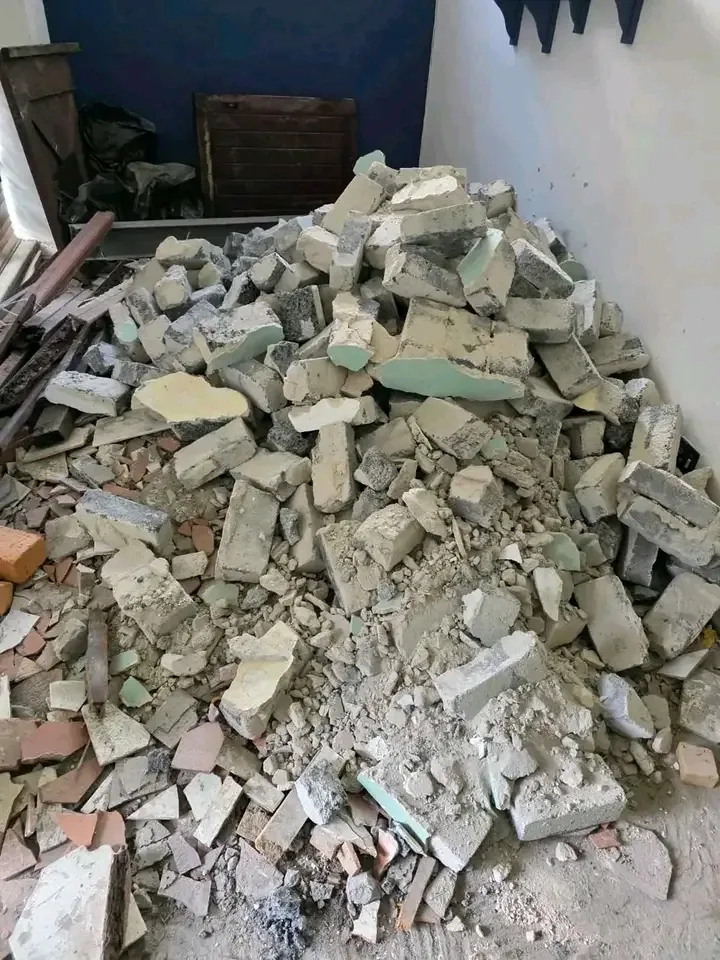
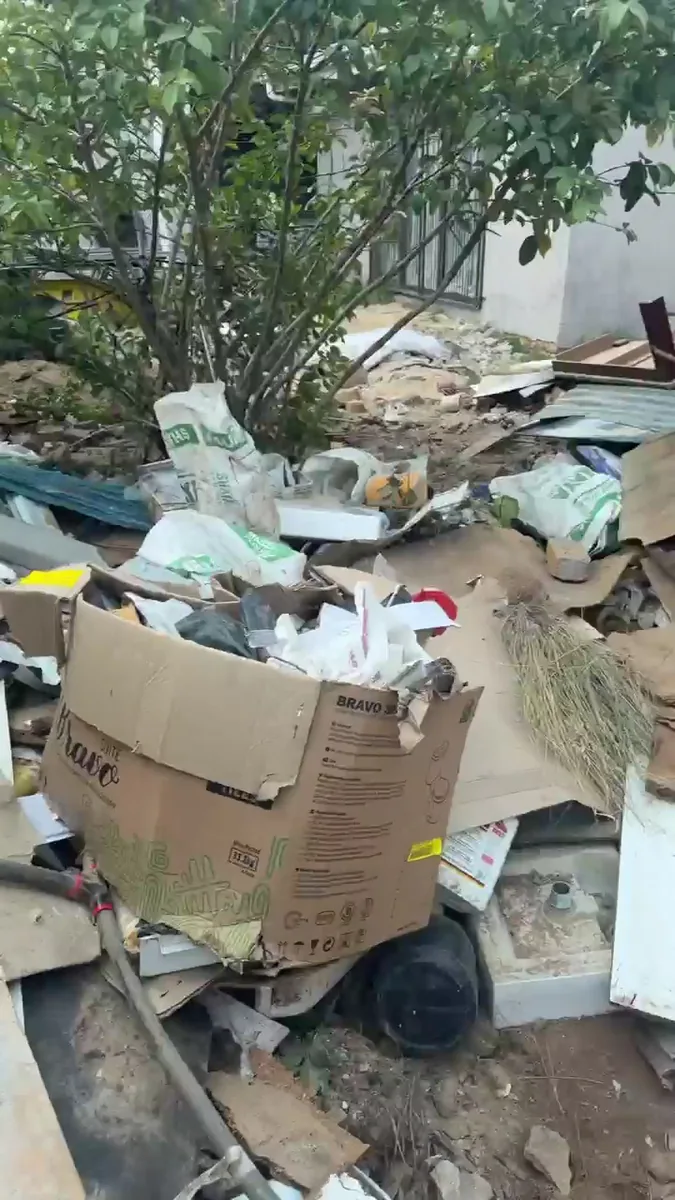
Almost everything a renovation or a clear-out produces is fine: clean builders' rubble, mixed household waste, garden refuse, furniture, renovation offcuts. The exceptions are the regulated streams, and they matter more than they sound, because one banned item buried in an otherwise legal load gets the whole load rejected at the weigh-in. The crew turns round, nothing is tipped, and you have paid for the trip.
- Hazardous material. Paint, oil, solvents, chemicals and asbestos. Also fluorescent tubes, certain batteries and medical waste — all of these need a licensed facility, never a general skip.
- E-waste. Old computers, monitors, printers and electricals are a regulated stream that cannot go to general landfill. They route to an accredited e-waste recycler instead.
If you are unsure about something in the pile, ask before it goes in rather than after the bin is full — it is a thirty-second phone call against a wasted collection. Keeping the streams apart also saves money at the tip, which is worth knowing before you start loading: our guide to sorting rubble from garden refuse explains why a clean single stream is the cheapest load to dispose of.
Looking to buy a skip bin rather than hire one?
We hire skips out; we don't sell them. Plenty of people search for skip bins for sale in Cape Town when what they actually want is the waste gone without a purchase — and renting a bin does that for R900 to R3,500 depending on size, with the tipping and the licensed disposal included in the figure.
If you are looking to buy because the waste is ongoing rather than a one-off — a workshop, a small site, a business producing rubble every week — tell us the pattern and we will price a repeat hire or a scheduled collection against it. That is usually the cheaper answer than owning a bin you still have to get emptied.
Why hire a rubble skip at all?
A skip on your driveway means you fill it at your own pace over the hire period — no scrambling to have everything piled and ready for a single pickup. That suits a renovation or demolition where rubble builds up gradually: strip the bathroom one weekend, pull the kitchen the next, and the bin's sitting right there the whole time.
You pay one flat rate that already covers delivery, the rental period, collection and tipping fees — so there's no per-load guessing and no surprise dump charges. When the job's done we schedule a professional collection, lift the skip cleanly off your driveway, and tip the contents at a licensed site on your behalf.
Skip hire is the right call for bigger, longer jobs — full-house gut renovations, commercial demolitions, or sites where several teams are dumping waste through the week and a fixed bin keeps the place tidy. If your load is genuinely large or your timeline runs over multiple days, a skip almost always works out simpler than booking repeat collections.
Skip hire vs collection — what each price actually buys
For the same volume the skip rate is the lower number, and the reason is simple: the loading is yours. A skip rate buys the bin, the delivery, the rental days and the tipping. A collection rate buys a crew who load the waste and take it away in one visit, so that labour sits inside the price. Both lists are published in full, which makes the useful question not "which is cheaper" but "which shape of job do I have".
Skip hire makes sense when
- Waste builds up gradually — a renovation or demolition running over several days
- You want to load it yourself, at your own pace, with no pickup time to meet
- There is driveway space for the bin, or the verge permit is worth arranging
- You would rather have one bin standing on site than book repeat pickups
A collection makes sense when
- The pile is already made and you want it gone today
- You would rather our crew did the loading — that labour sits inside the collection price
- Driveway space is tight, shared, or a bin would block a neighbour
- It is a one-off clear-out rather than a job that runs across several days
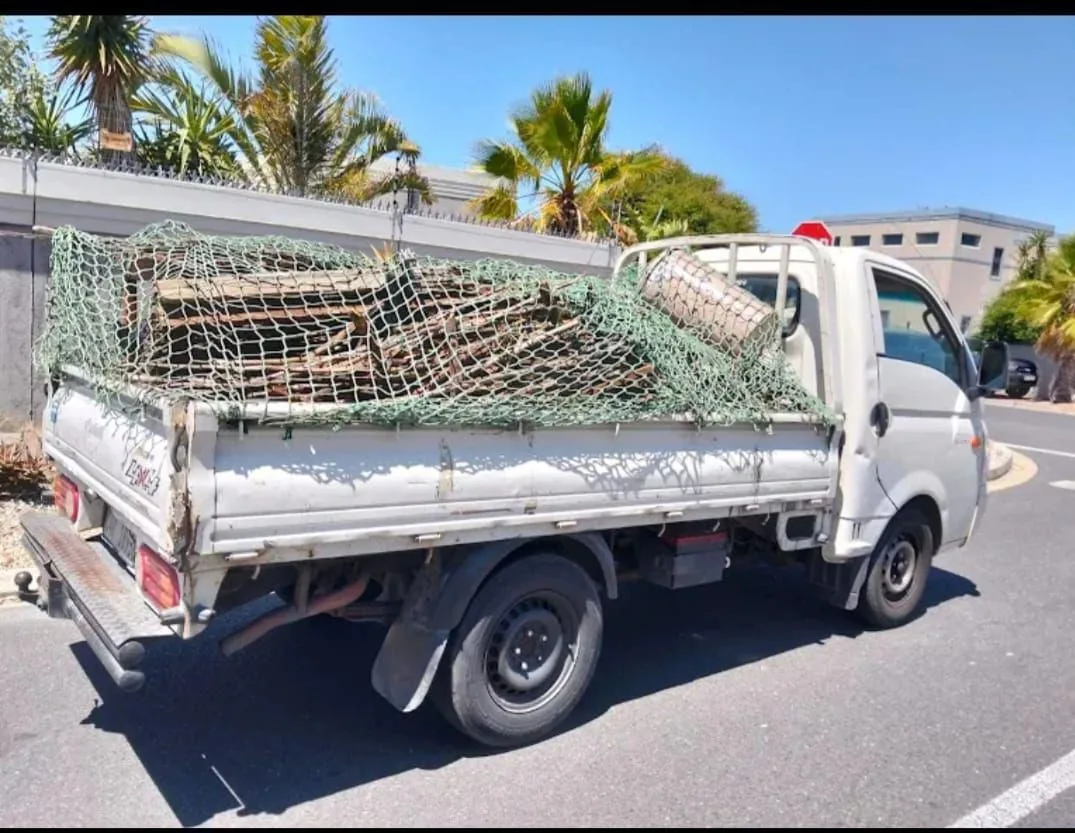
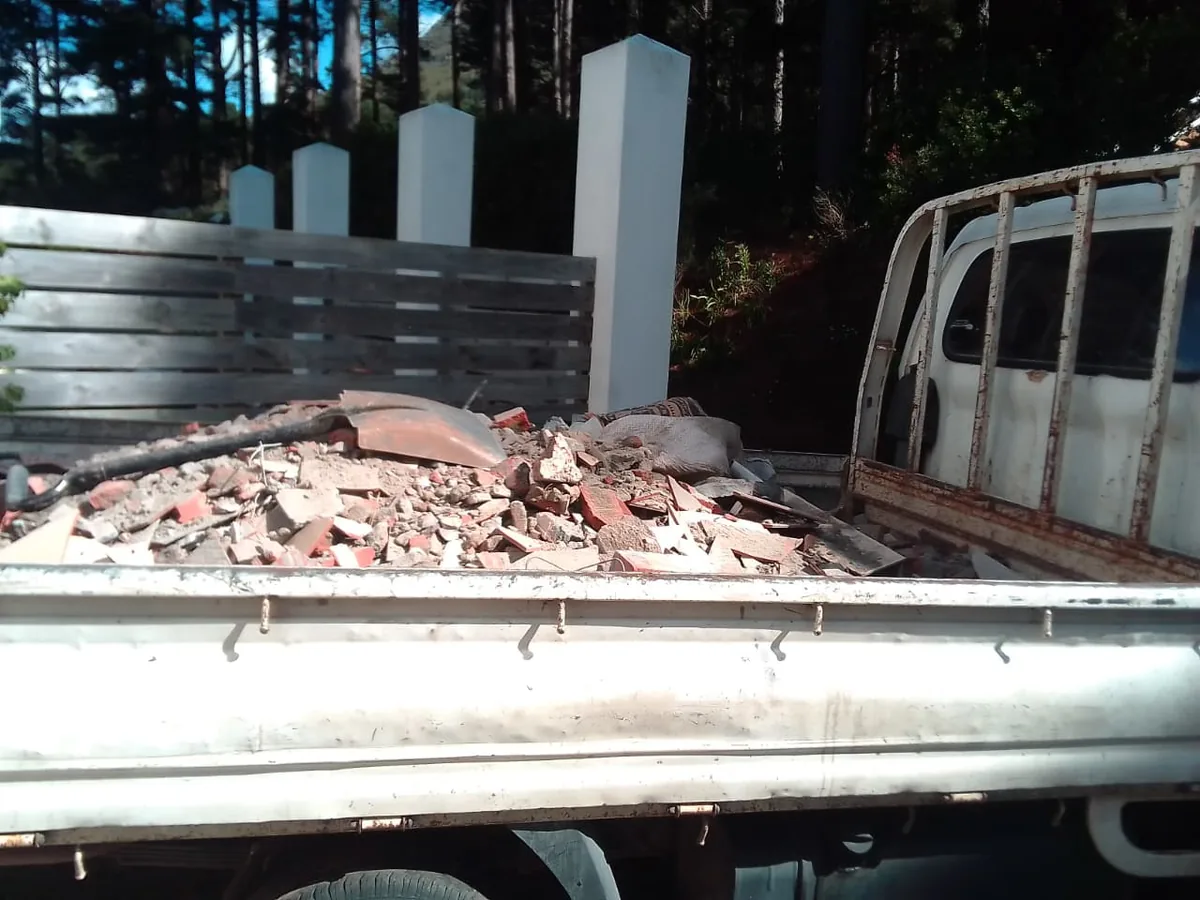
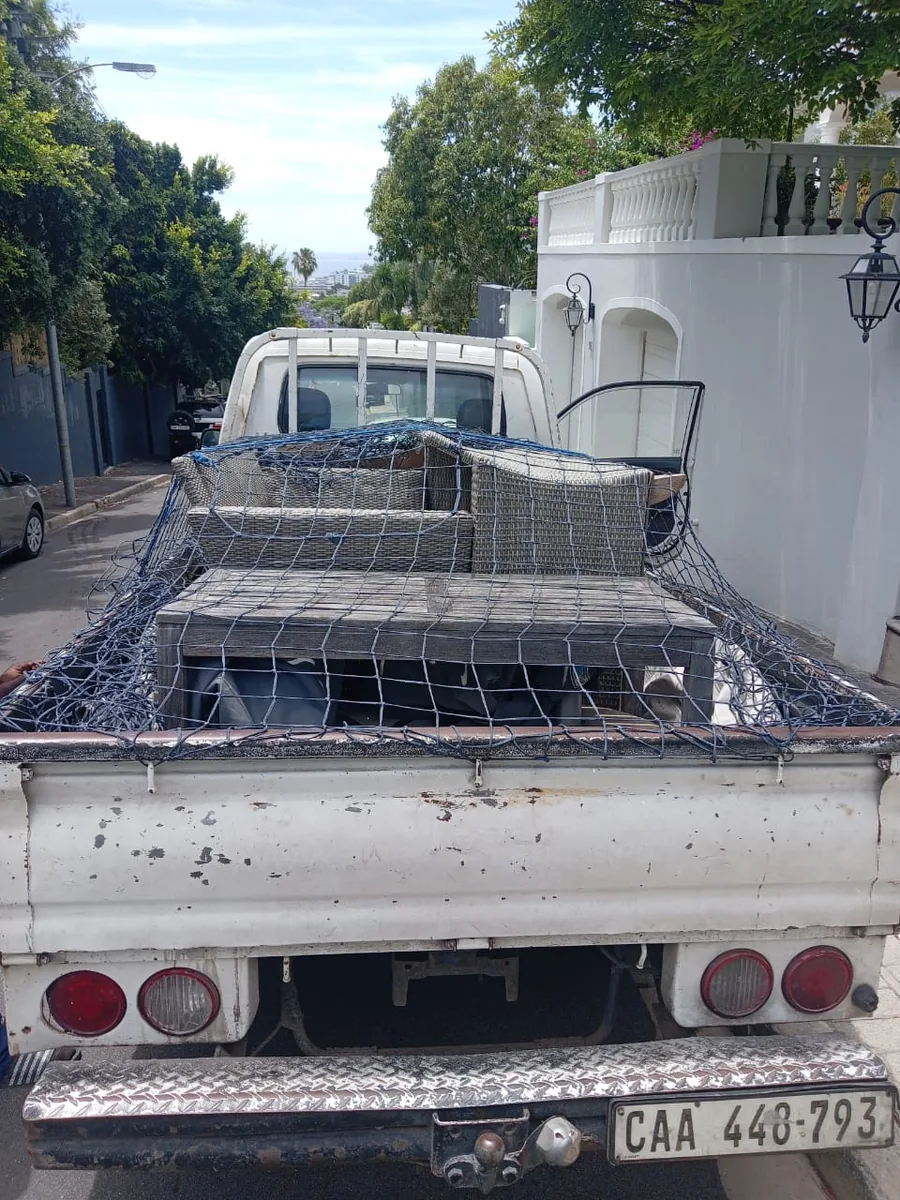
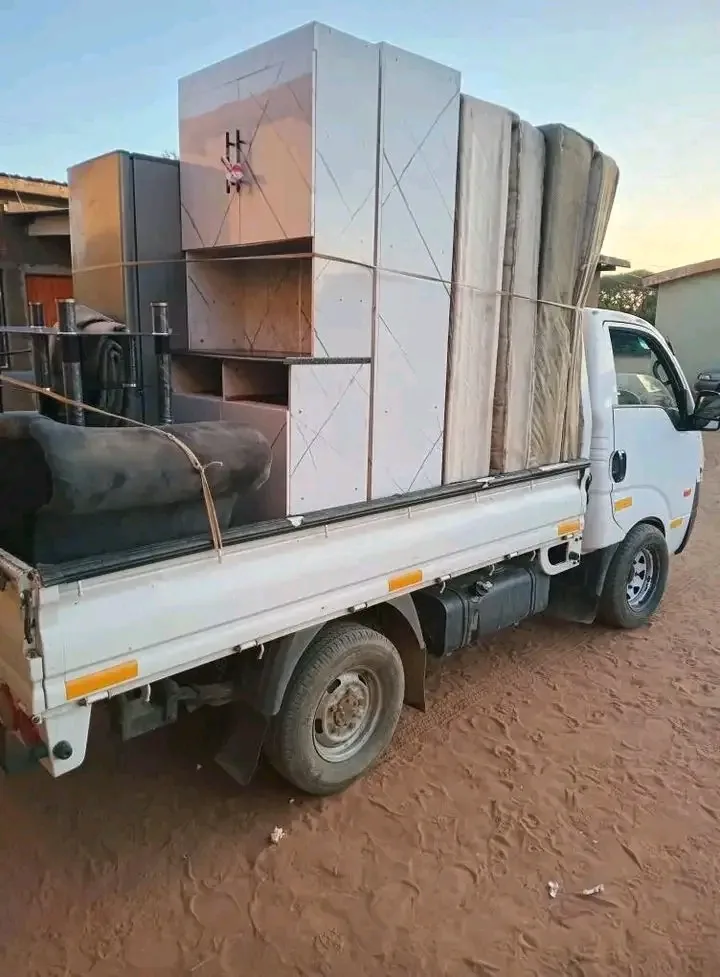
A bakkie collection is loaded and gone in about 90 minutes and leaves nothing standing on site, where a skip occupies the driveway for the hire period and needs a council permit if any part of it sits on the road. Our bakkie collection service publishes its own rates by load size, so you can read the collection side of the comparison before you book either one.
One form, two prices — pick the cheaper one.
What a skip quote needs from you
A firm price takes about a minute to produce if you lead with these four things. Without them, any number you're quoted is a guess that will be revised on delivery:
- Your suburb, and whether the skip goes on the driveway or the street.
- Roughly what the load is — clean rubble, mixed household, garden refuse, or a combination.
- How many days you need it standing there.
- A photo of the access — the gate, the driveway width, any stairs.
Whatever you're quoted, check that delivery, collection, the tipping fee and VAT are all inside the figure rather than added afterwards. That is where most of the difference between two skip quotes actually hides. Our full breakdown of Cape Town rubble removal costs sets out the same hidden line items for collections.
Skip hire Cape Town — common questions
Prices, hire periods, permits and what the bin will and won't take.
Skip or collection — your call
Send us photos of the load and your suburb. We'll quote both options in under 30 minutes and you pick whichever's cheaper.