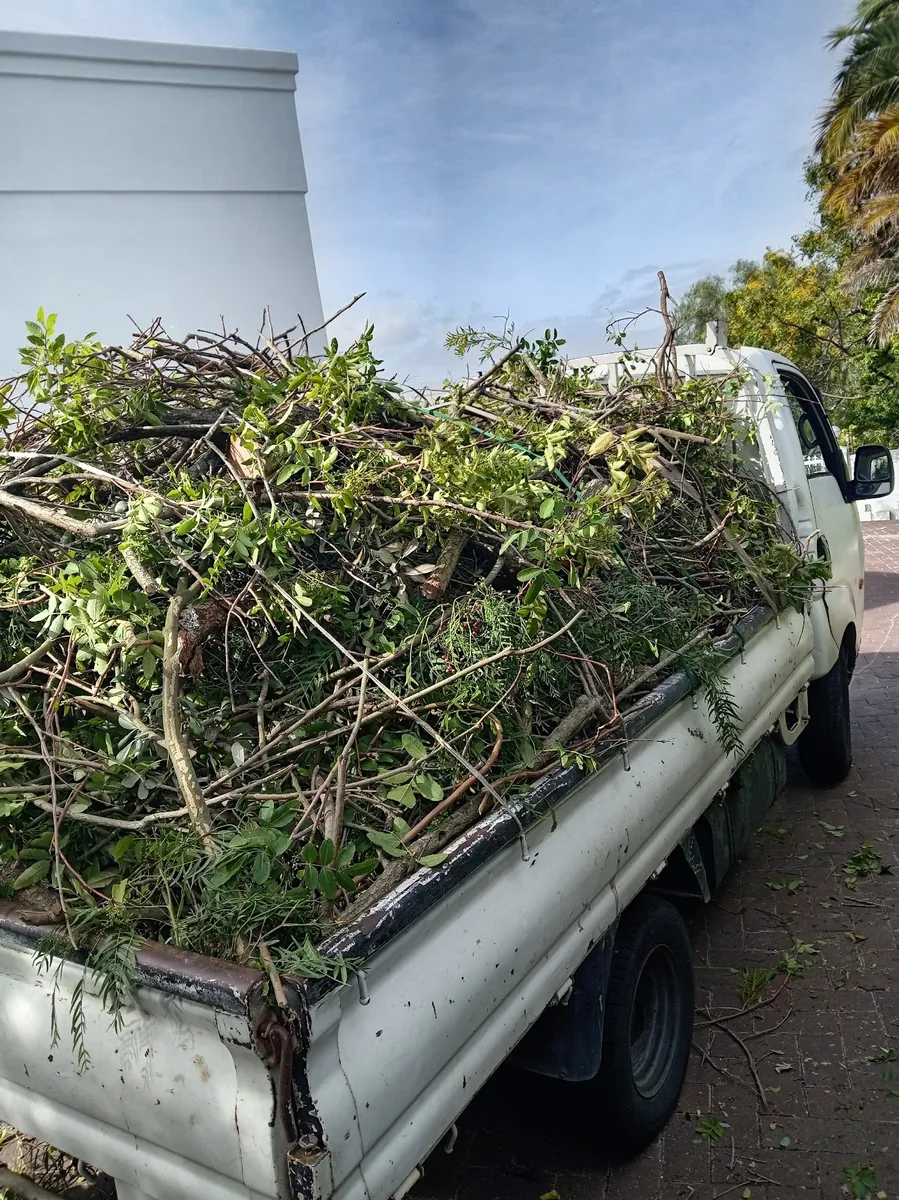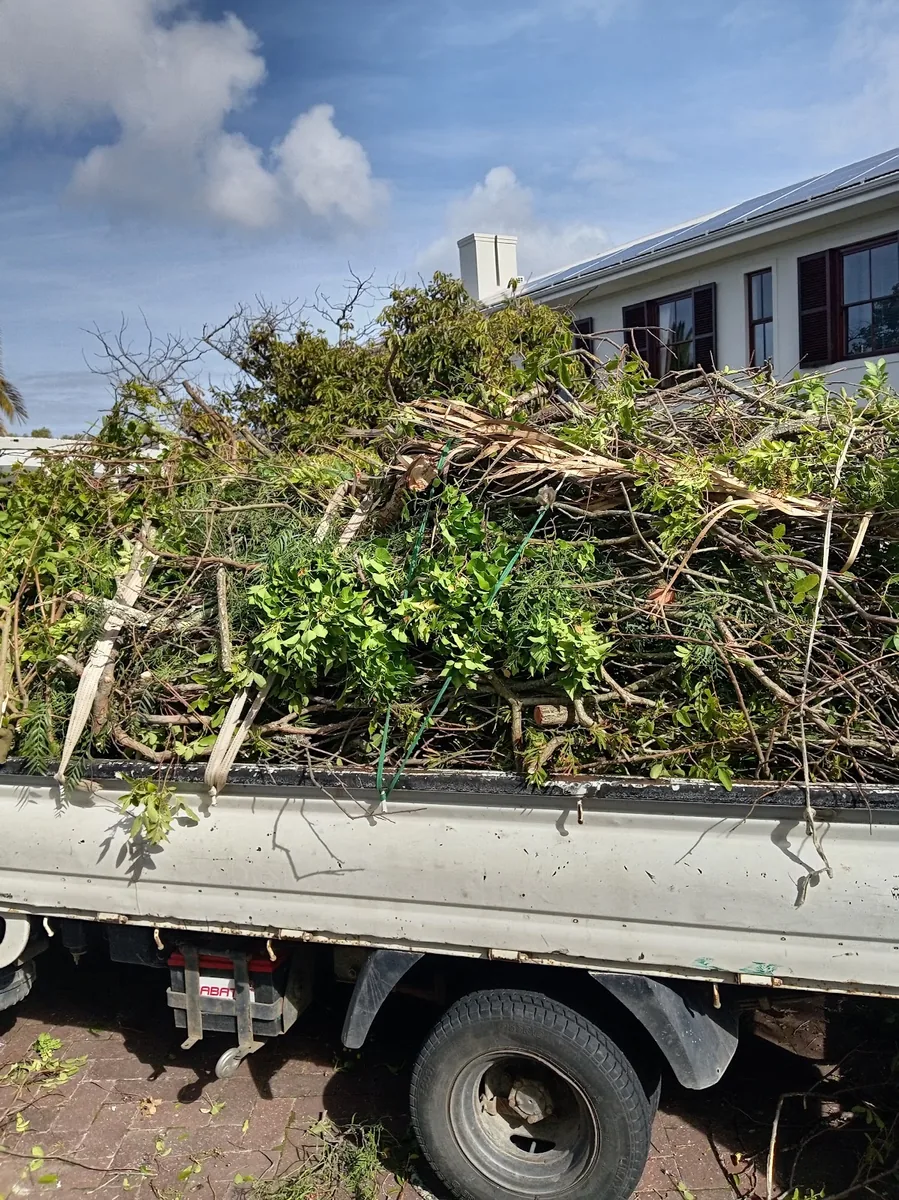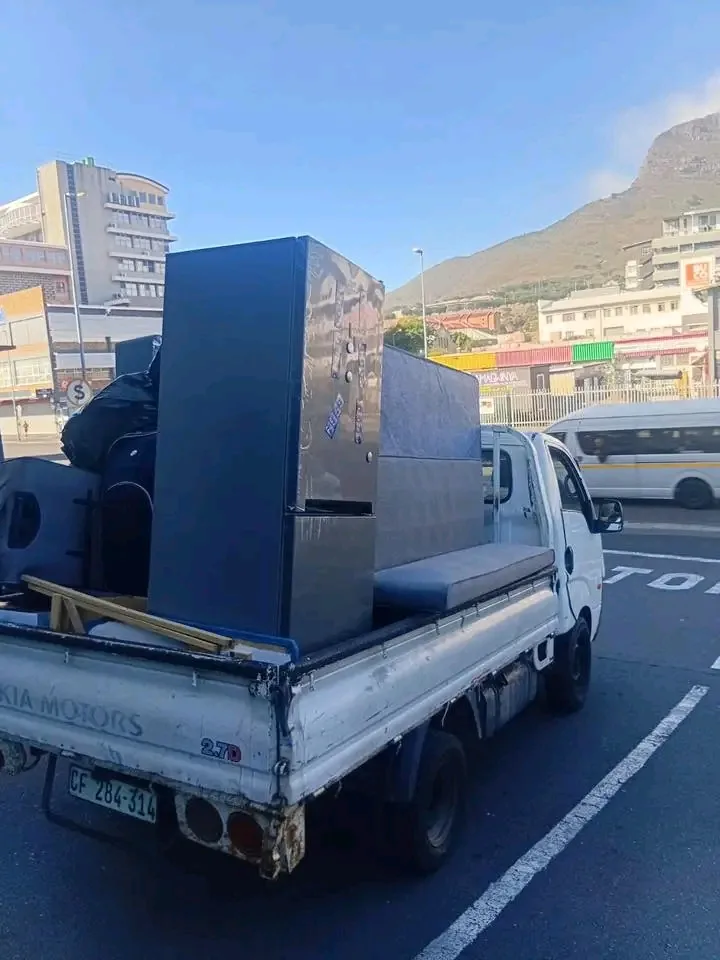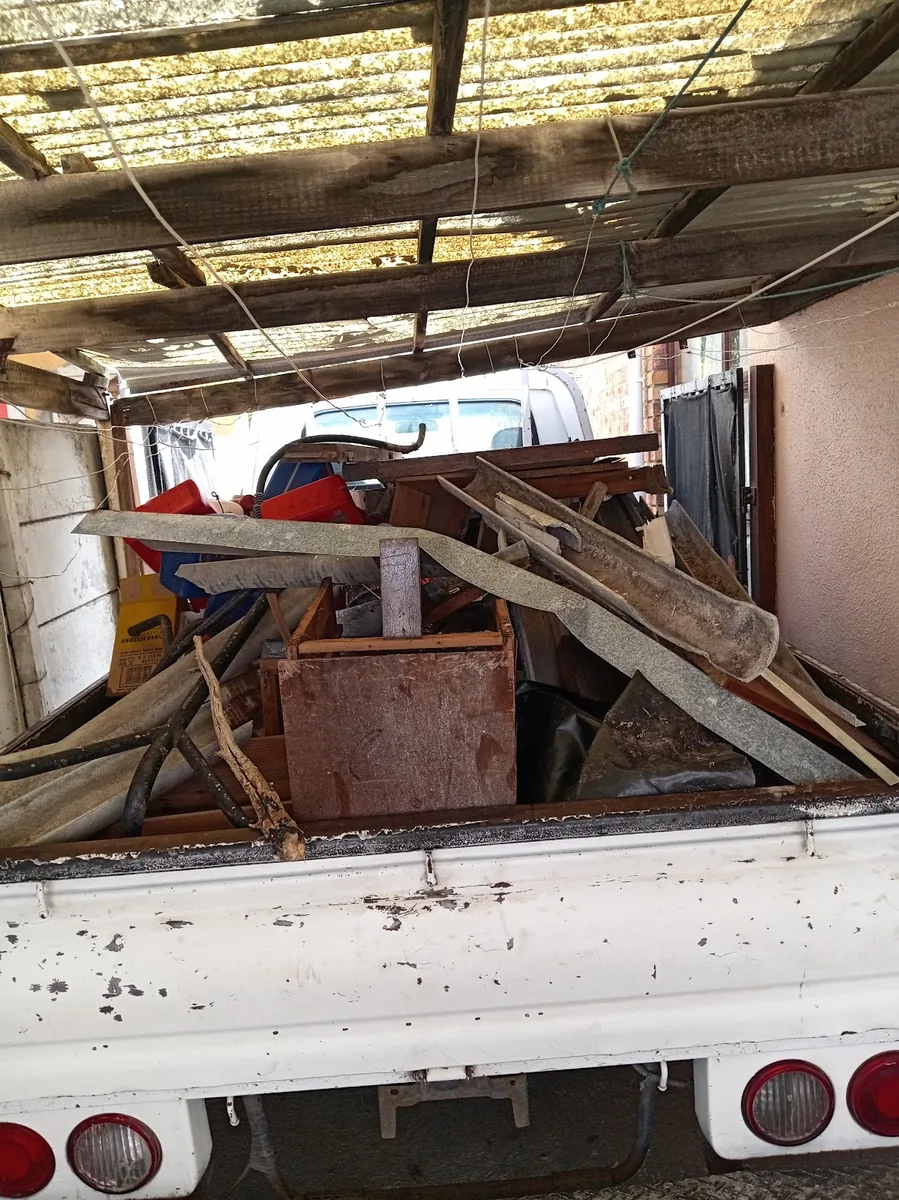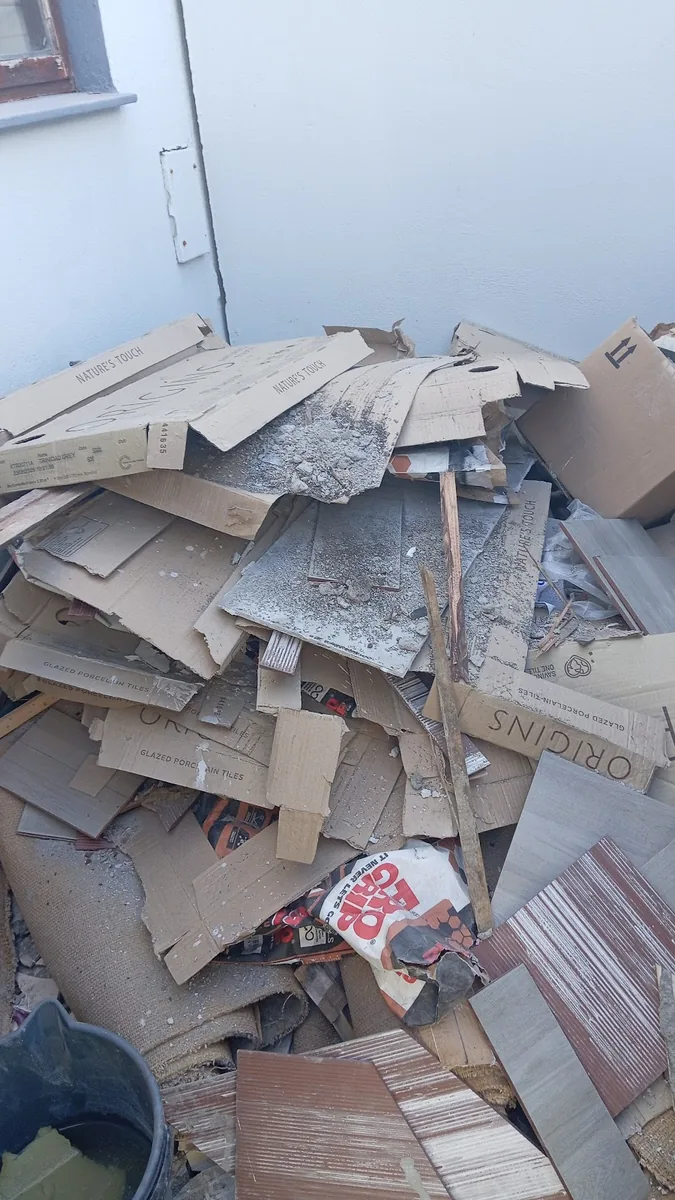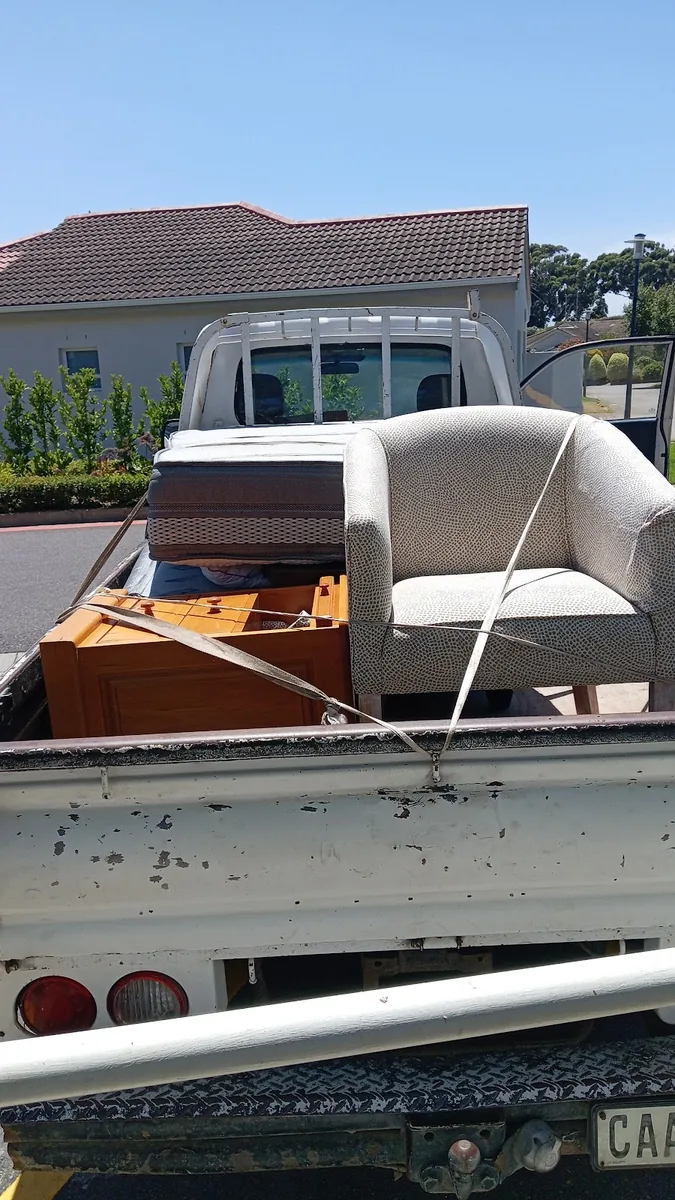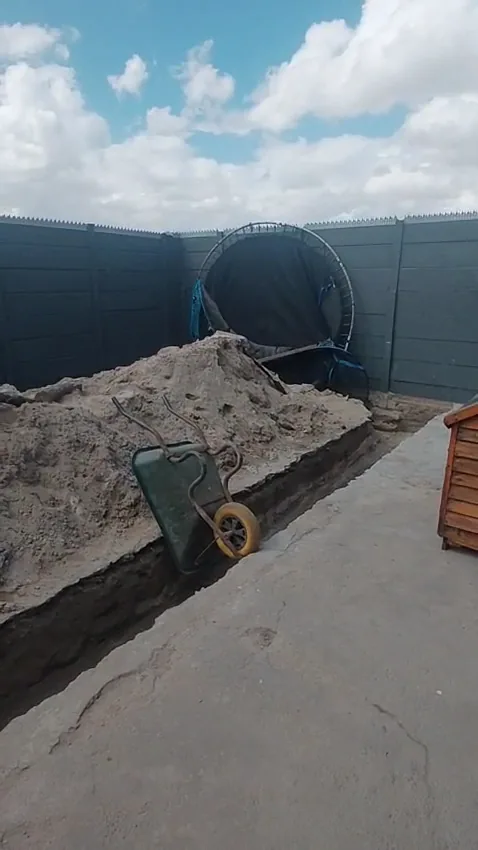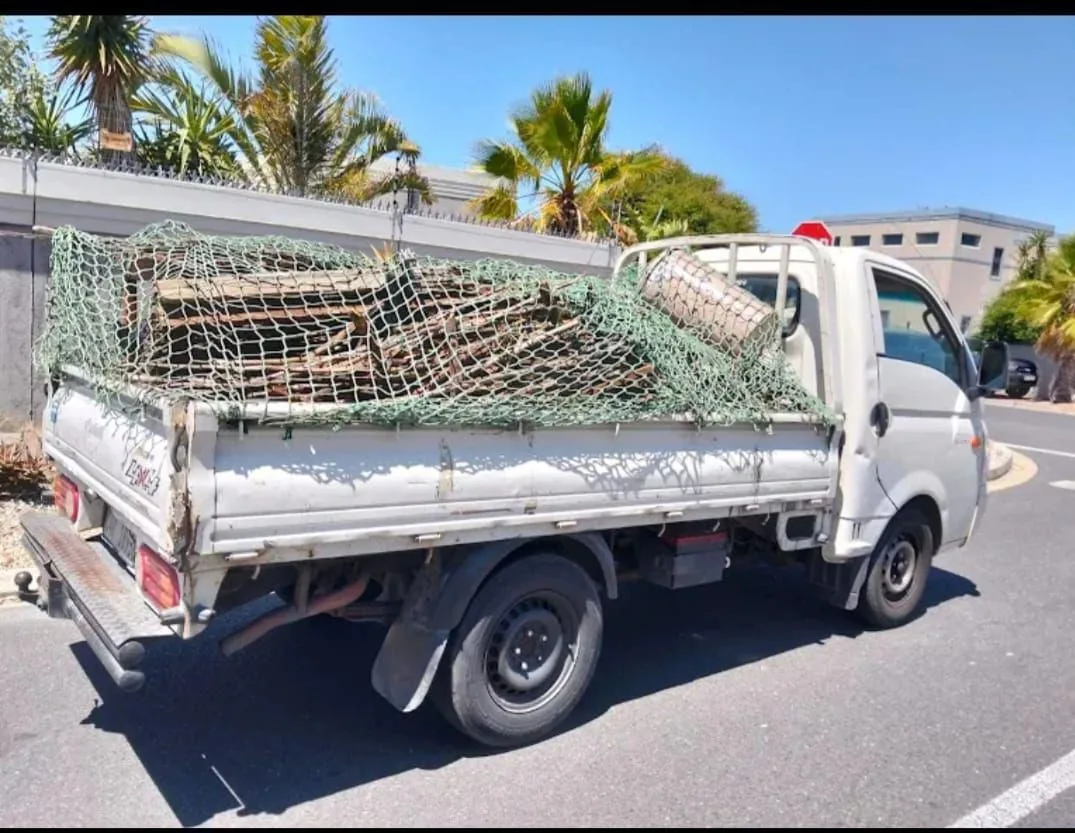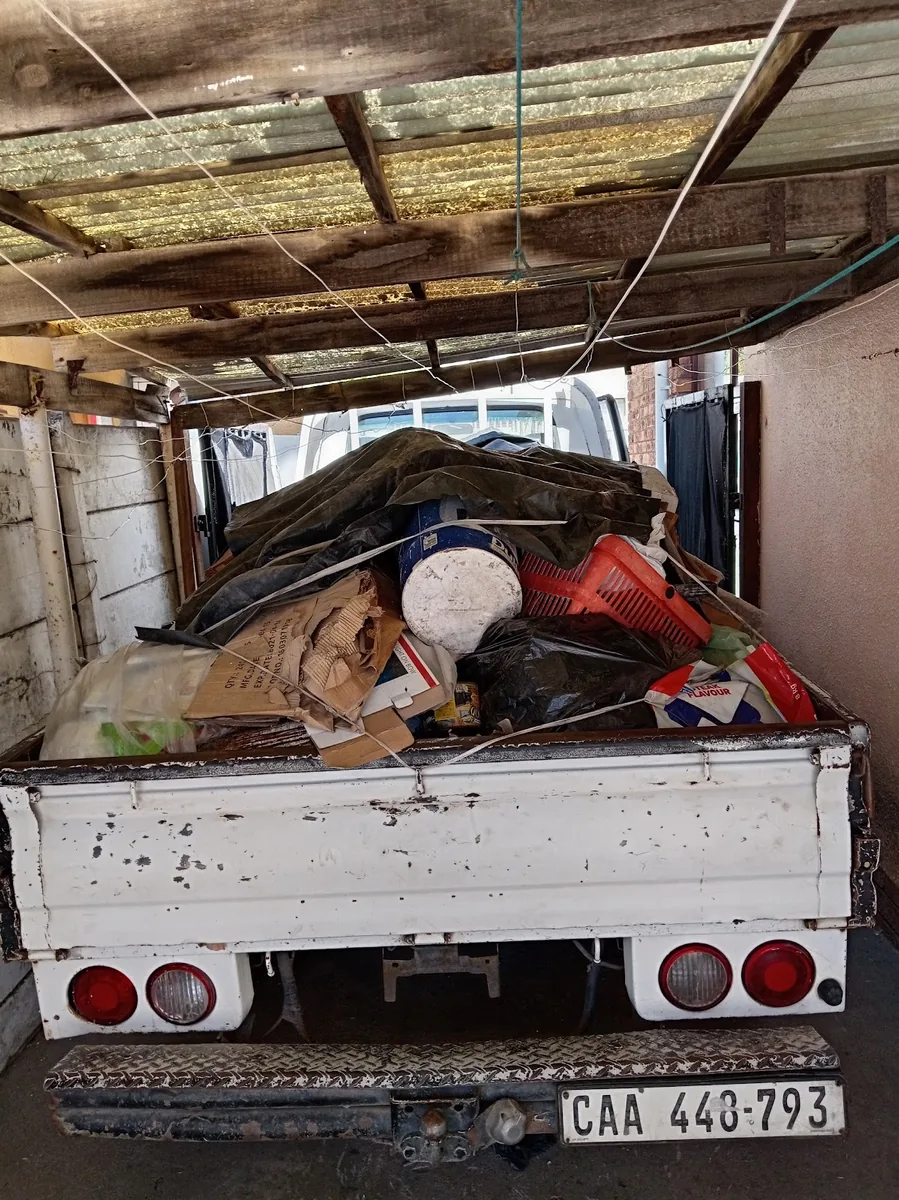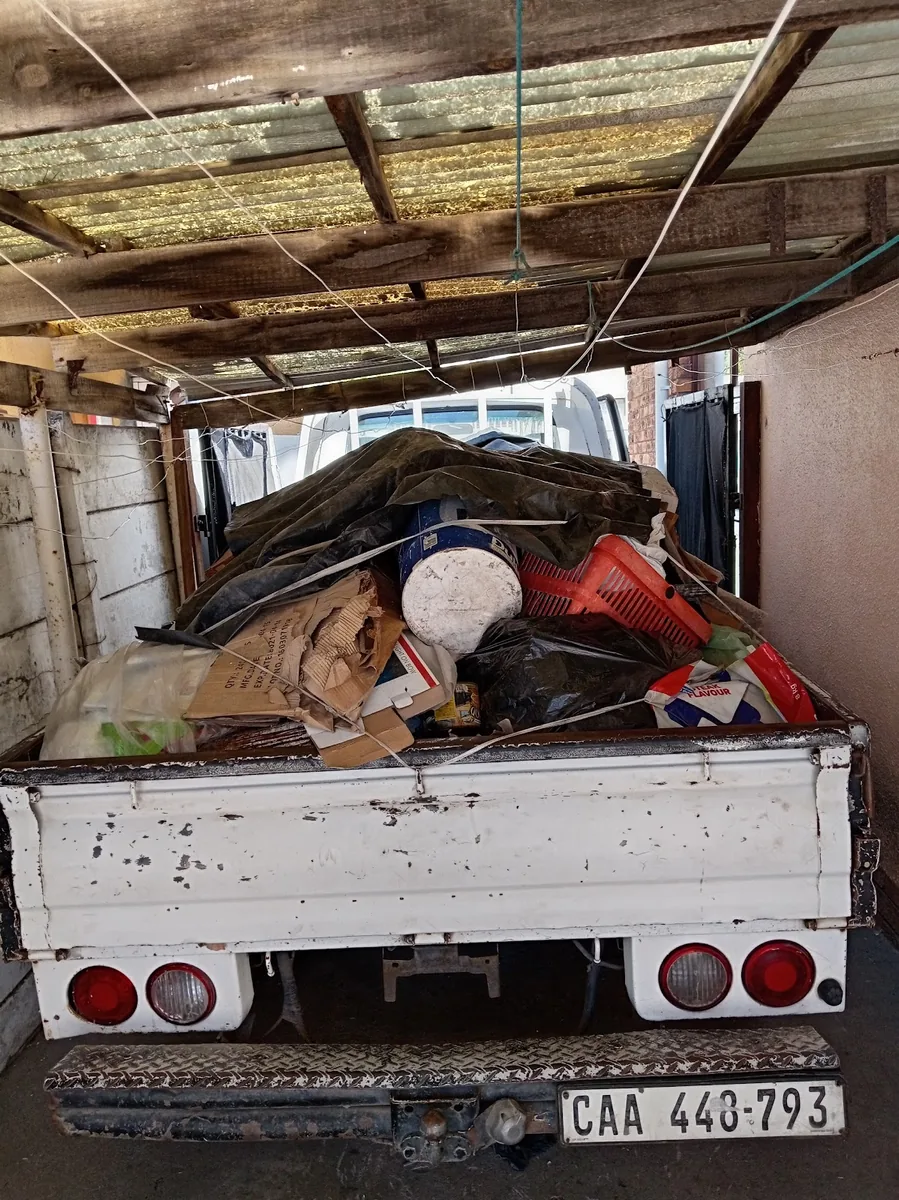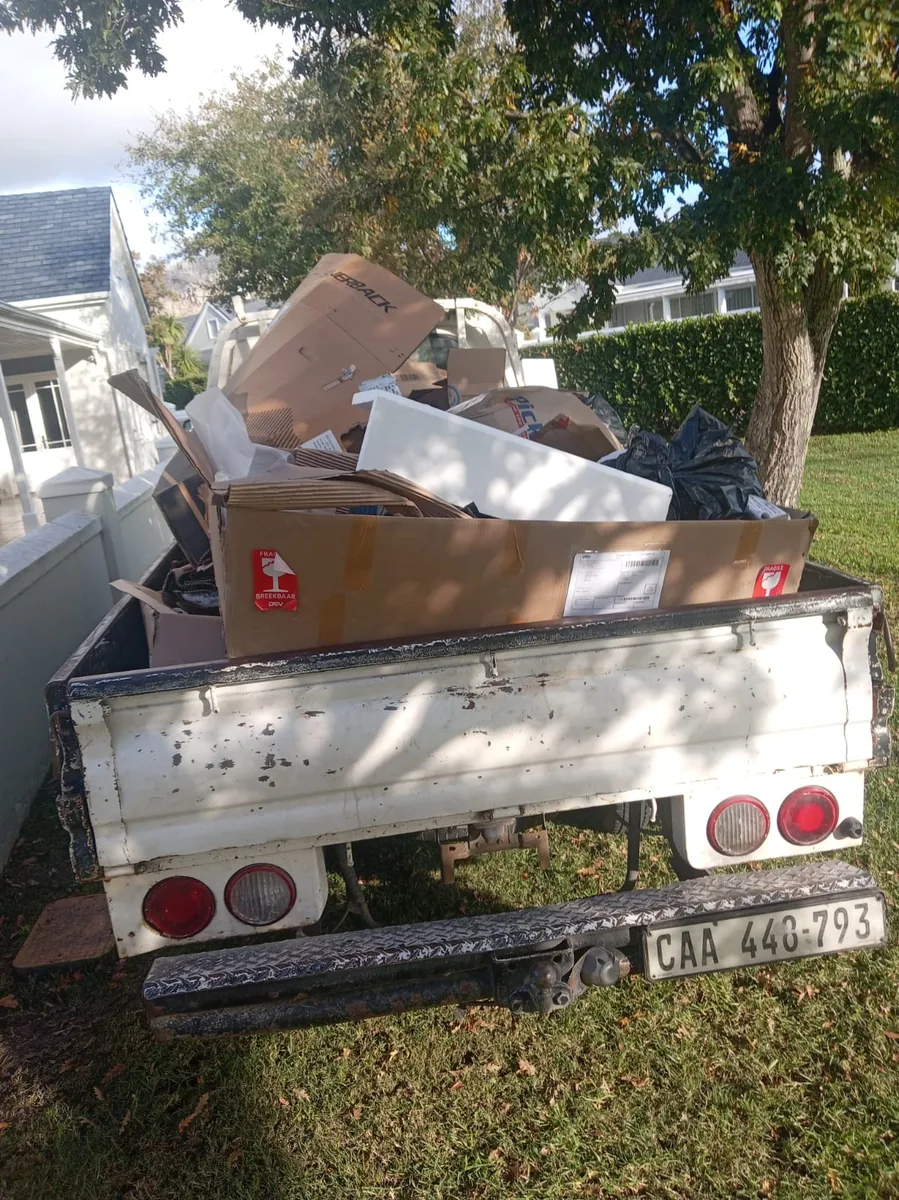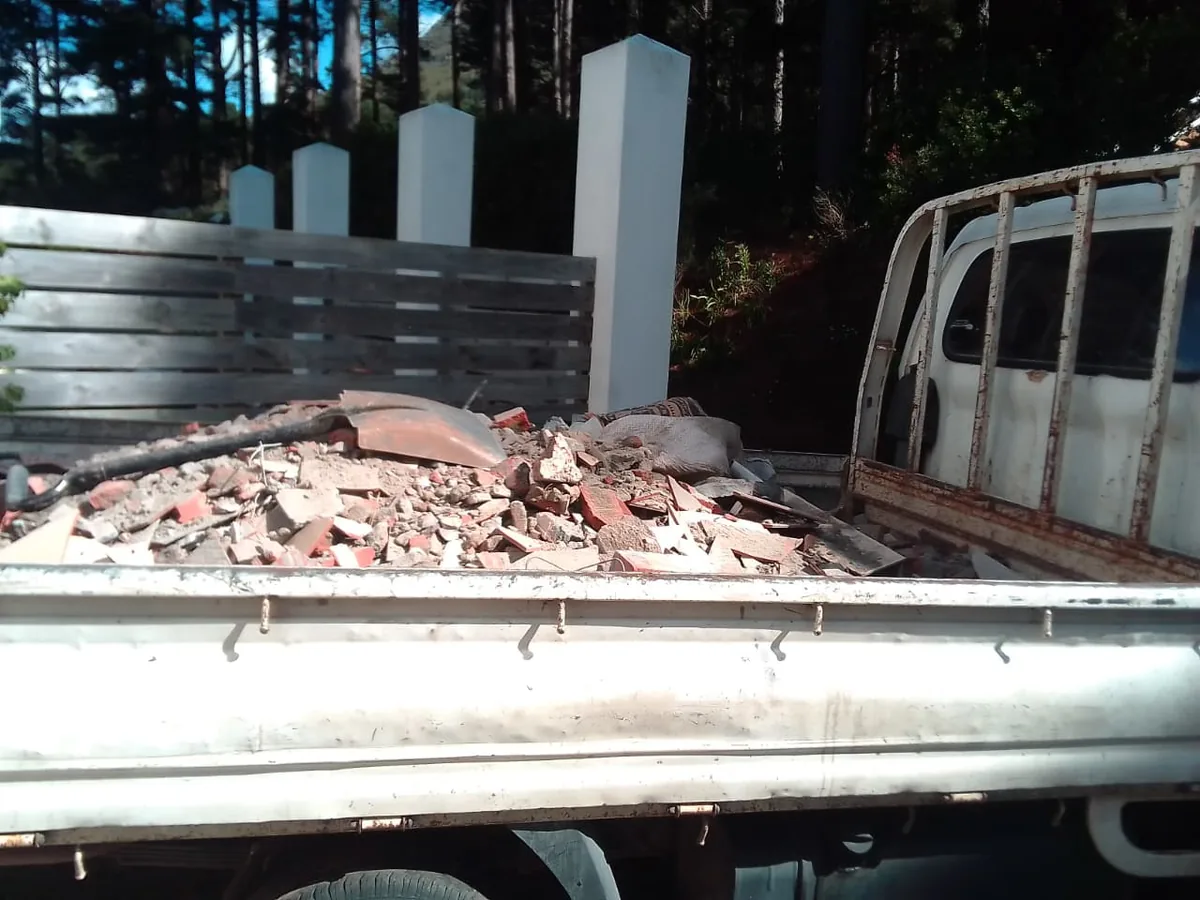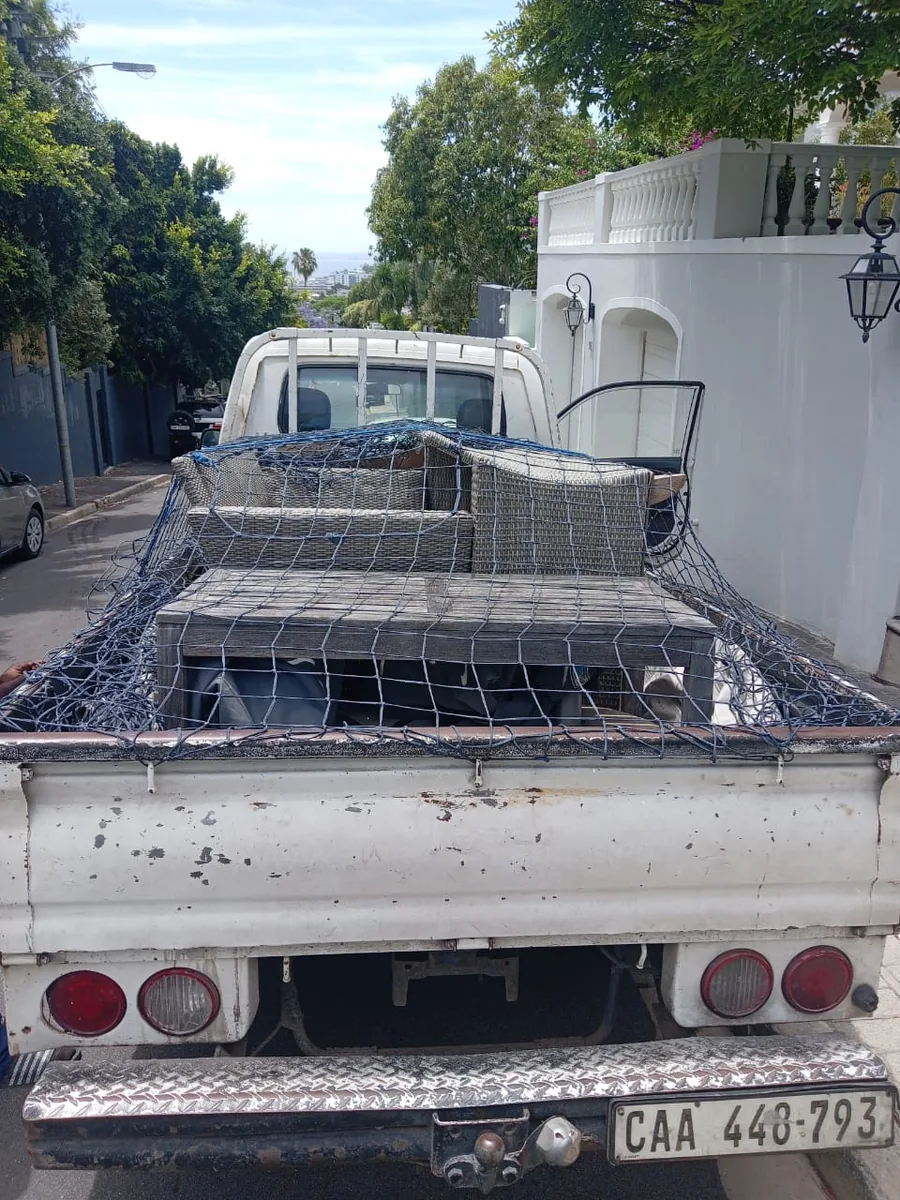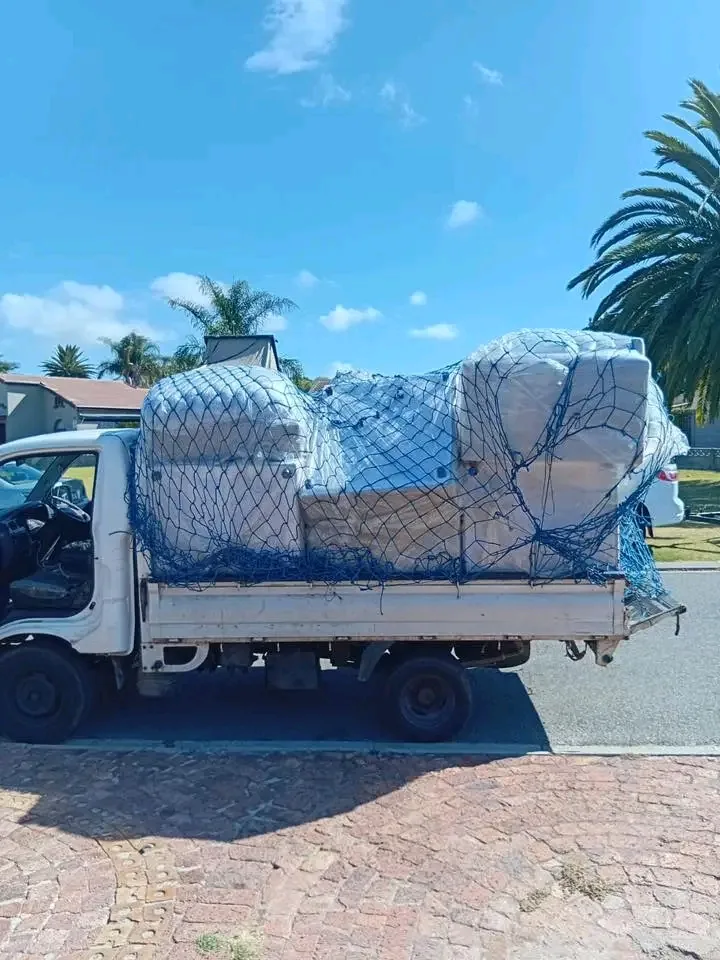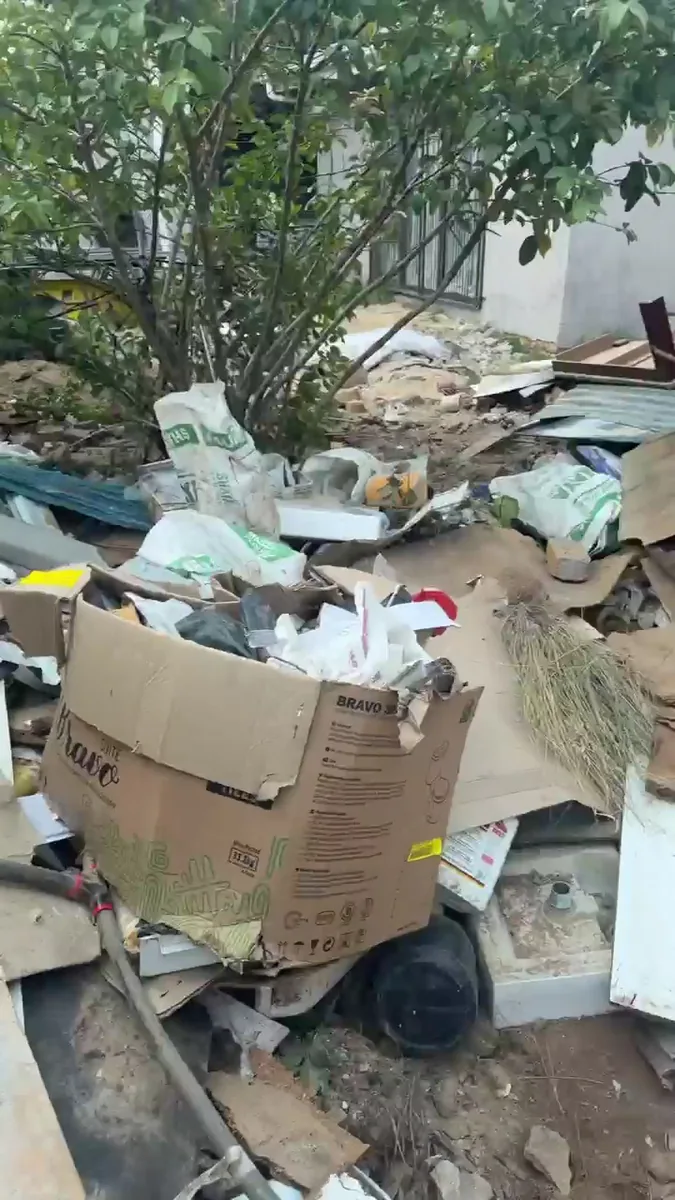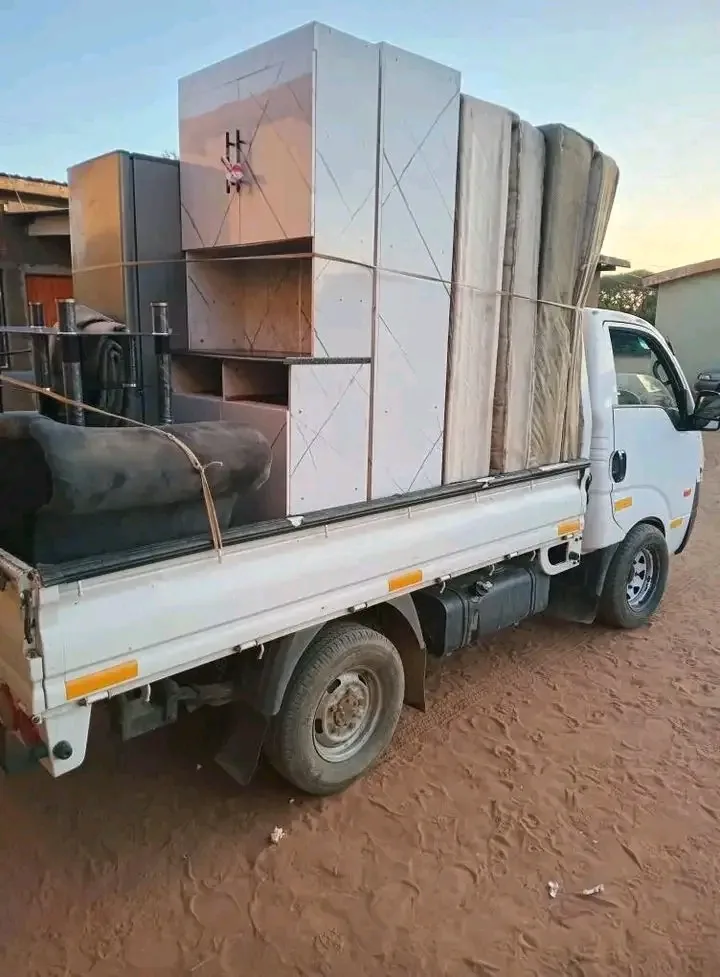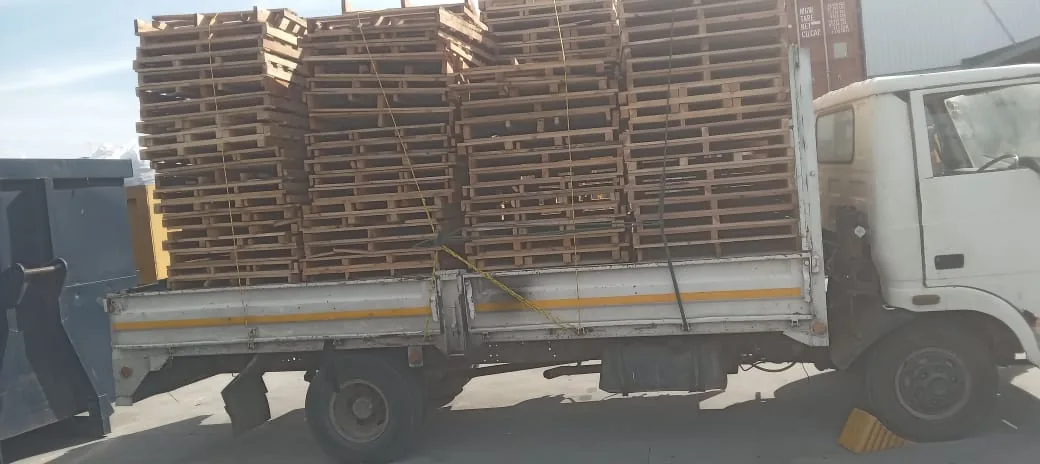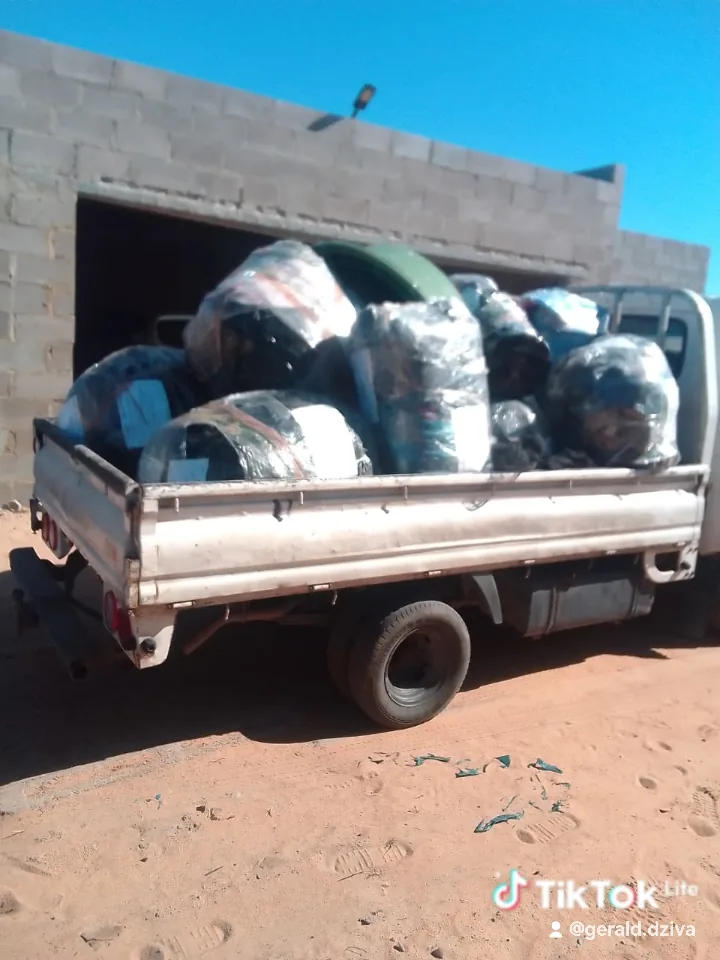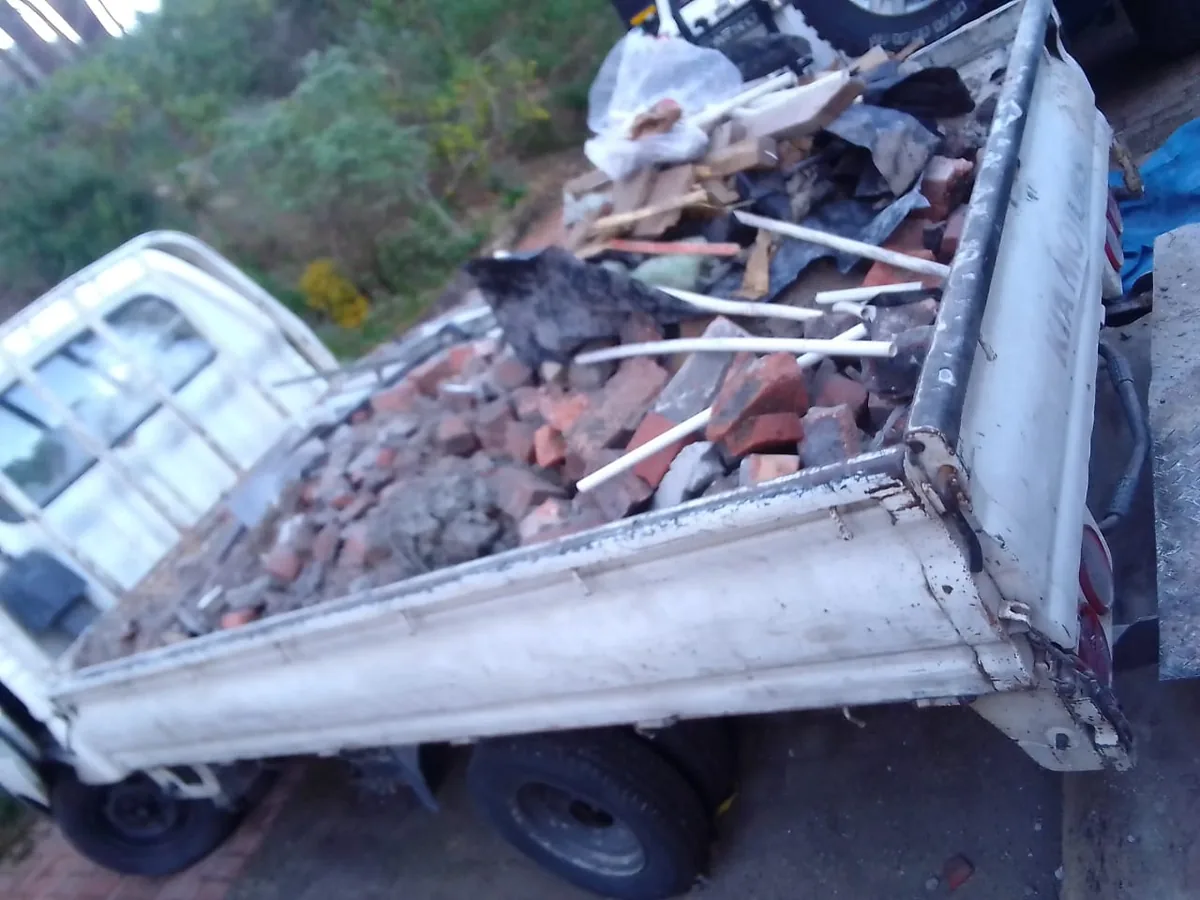
Bulky waste is the stuff that has outgrown the bin. A single mattress, a couch nobody sits on, the flat-pack wardrobe that came apart on the way out of the old place, a stripped geyser standing in the side passage, the pile left over after a weekend of clearing. In cities that run a bulky waste collection round, you book a date and put it on the verge. Cape Town does not work that way — and the gap between what people assume and what the City actually does is where most of these items end up standing around for months. This is the practical version: what counts as bulky here, why the kerbside round walks past it, and how to tell whether your load is a skip job or a one-off collection.
Key takeaways
- The City issues each residential property a 240-litre wheelie bin, and that bin is the whole of the weekly service. Anything that will not fit inside it with the lid down is bulky waste by definition.
- In the City's own words: "We will only collect the waste that is in your bin. Any extra bags left on top of, or next to the bin will not be collected."
- There is no bulky or special collection round on the City's list of residential solid waste services. The only extra household collection it advertises is for garden refuse, at an additional cost.
- The City's drop-offs are free to residents and take "bulky garage and garden waste" — the bulky streams named are garage and garden, not household furniture, and four sites take no bulky waste at all.
- Load size decides skip versus collection. One or two large items is a collection job; a room being stripped over several days is a skip.
The 240-litre test: what actually counts as bulky
There is no need to guess at a definition, because the City has effectively set one. Its residential service is built around a single container, and the size of that container is published.
City of Cape Town, residential waste collection
"Our Waste Services Department provides each residential property with a 240-litre wheelie bin for waste disposal."
So the test is mechanical. If it goes in the bin and the lid closes, it is household refuse and the weekly truck takes it. If it does not, it is bulky waste — and from that moment it is yours to move, whether it is one mattress or a bakkie load. That is a far lower bar than people expect. A dismantled bed base clears it. A two-seater does not.
Inside 240 litres — the weekly round
Ordinary bagged household refuse, sealed, with the lid shut. Collection is once a week, Monday to Friday including public holidays, depending on your area, and the City asks for the bin to be on the kerb from 06:00 on the day. A household generating more than one bin's worth can apply for a second wheelie bin rather than stacking bags beside the first.
Outside 240 litres — bulky waste
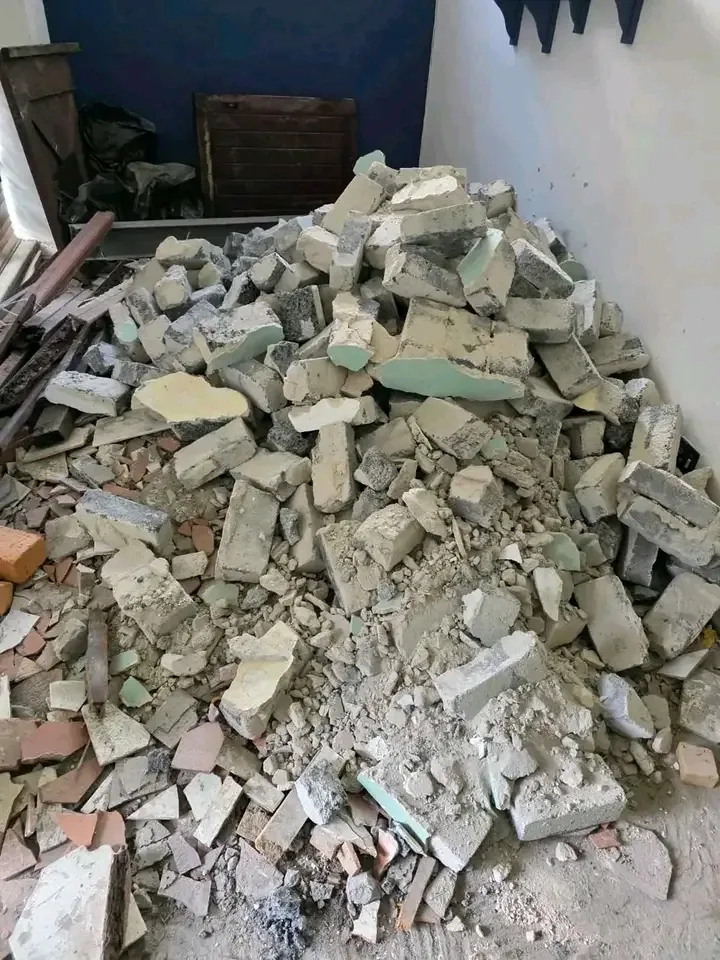
Mattresses, couches, wardrobes, bed bases, doors, carpets, old geysers, garden loads bigger than a bundle, and anything left over from a clear-out. Separately, the City asks that builder's rubble, oil and metal stay out of the bin at any size — those go to a drop-off regardless of whether they would technically fit.
Why bulky items get refused at the kerbside
The refusal is not a judgement call by a crew on the morning. It is the stated rule, and it is unambiguous.
City of Cape Town, residential waste collection
"We will only collect the waste that is in your bin. Any extra bags left on top of, or next to the bin will not be collected."
And on placement: "seal your waste and place in the bin – not next to the bin or on the pavement".
Read that twice, because it settles the thing people most often hope for. A couch standing neatly beside the bin at 06:00 is not a borderline case that a sympathetic crew might take. The service is defined by the container, not by the pile.
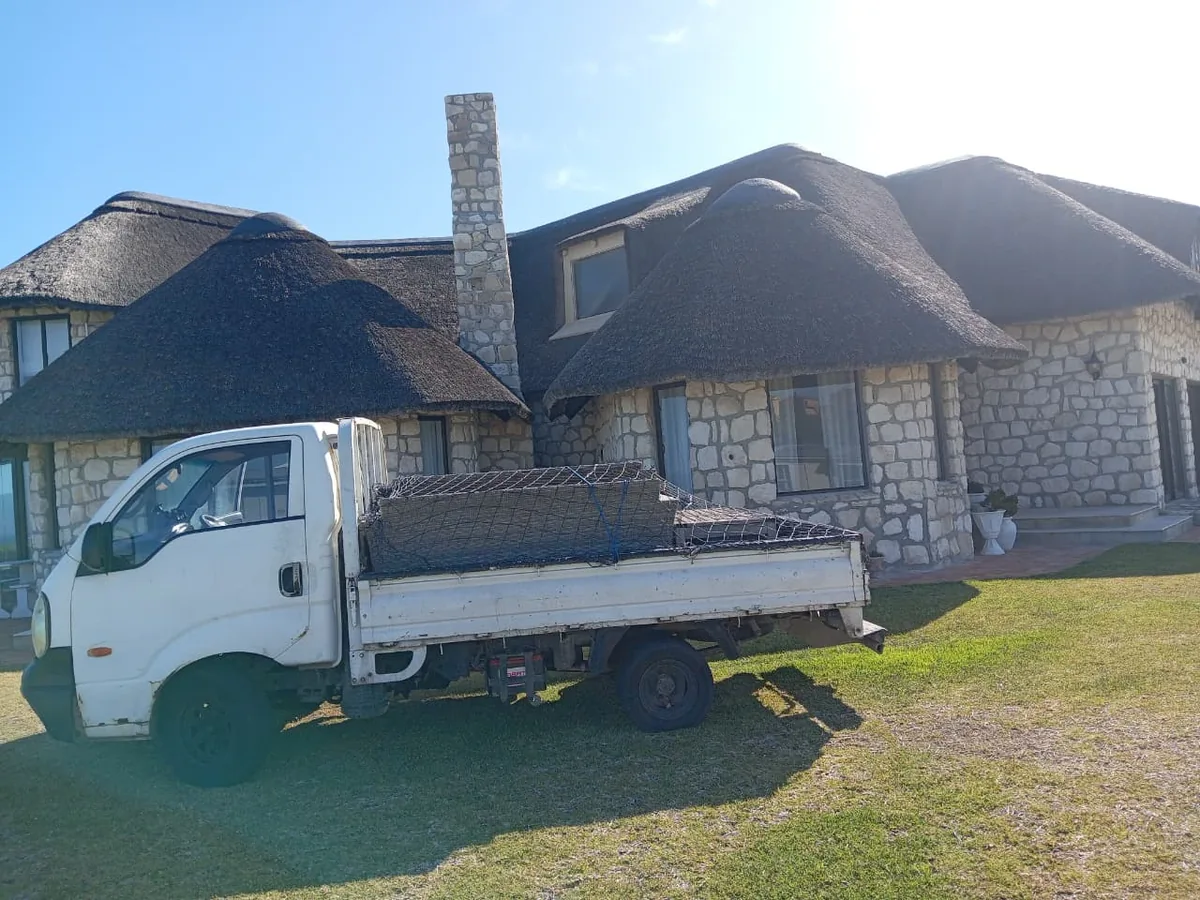
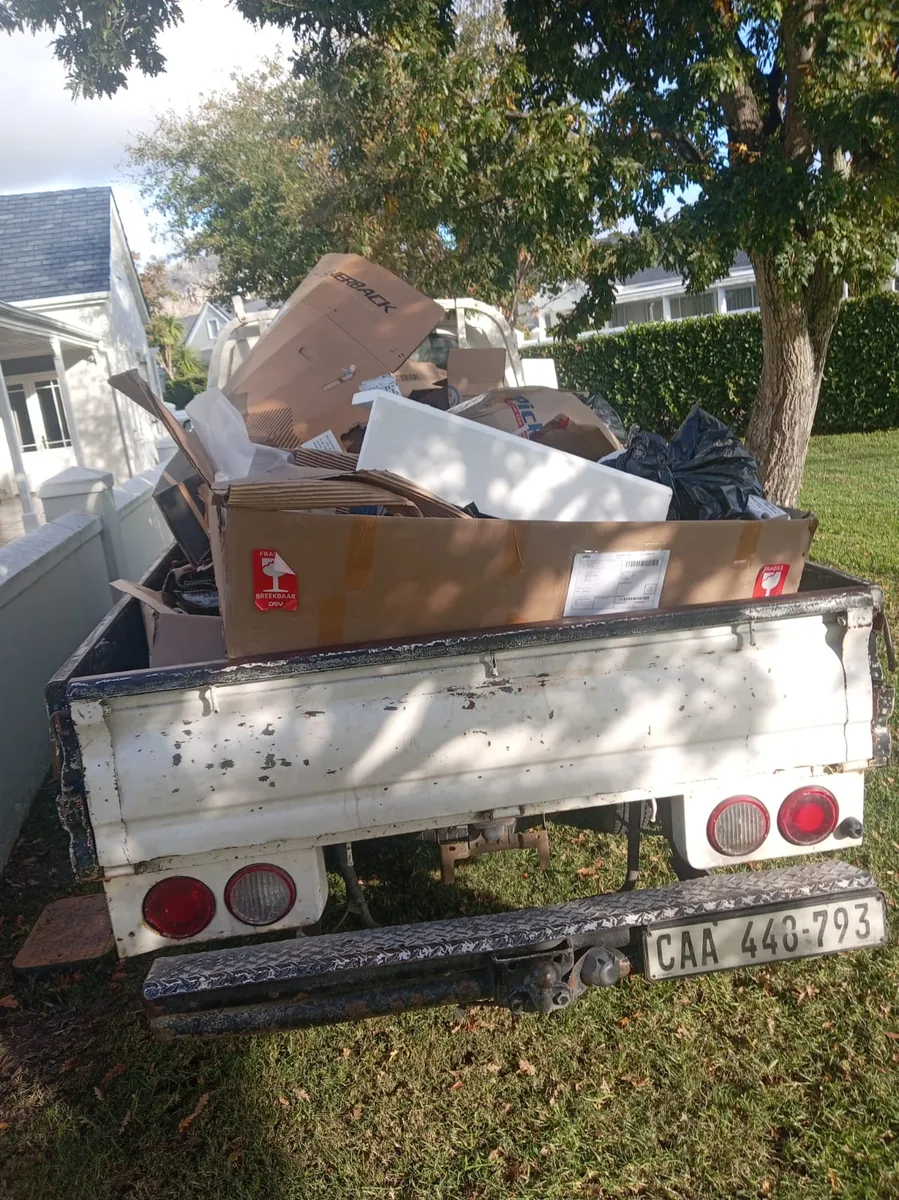
The second half of the answer is that there is nothing else to fall back on. Run down the City's own list of residential solid waste services and you find informal housing waste services, accredited waste service providers, the Integrated Waste Exchange, a section on preventing illegal dumping, and the weekly residential collection. No bulky round. No special collection you can book for a mattress. The single extra household collection the City advertises is for garden refuse, at an additional cost. Everything else bulky leaves a property either in your own vehicle or on somebody else's — ours clears bulky loads right across the city every week, and the drop-off route below is free, so it is worth knowing both.
What the City's drop-offs will and won't take
Driving it yourself is a real option and it costs nothing at the gate. It is also the route with the most fine print, and the fine print is where a Saturday morning gets wasted. Start with how the City describes the network:
City of Cape Town, drop-off facilities
"The City's recycling and waste drop-off facilities offer residents free access to drop off recyclables, as well as bulky garage and garden waste."
Note which bulky streams are named there: garage waste and garden waste. That matches the way the network is organised — the facility categories the City lists are builder's rubble, garage waste, garden waste, general waste, e-waste, motor oil and hazardous waste. Household furniture is not a category of its own, acceptance is set per facility, and four of the drop-offs — Atlantis, De Grendel, Kensington and Welgelegen — are reserved for residents and take no bulky waste at all. The City's recycling-only sites specifically exclude bulky furniture. So "the dump will take it" is a claim worth checking against the particular site you are driving to, not the network in general.
Before you load up
- The City's drop-off rules cover cars, trailers and light vehicles up to 1.5 tons, with a maximum of three loads per user per day. They are residential facilities, not commercial tipping sites.
- Weekday hours run 08:00–18:00 in summer (1 September–30 April) and close earlier at 17:45 in winter (1 May–31 August). Saturdays and public holidays are 08:00–17:00, Sundays 09:00–13:00.
- Separate the load before you arrive — rubble, garden waste and recyclables are handled as different streams at the gate.
- Confirm the nearest site takes what is on your trailer before you tie it down. Our guide to Cape Town's drop-off sites sets out locations, hours and what each one accepts.
What is never an option is the verge. Waste left on a pavement or a vacant erf is illegal dumping, the City runs a standing campaign against it, and an item that arrived at your house with a delivery note is easier to trace back than most people assume.
Skip or collection — decide by the size of the load
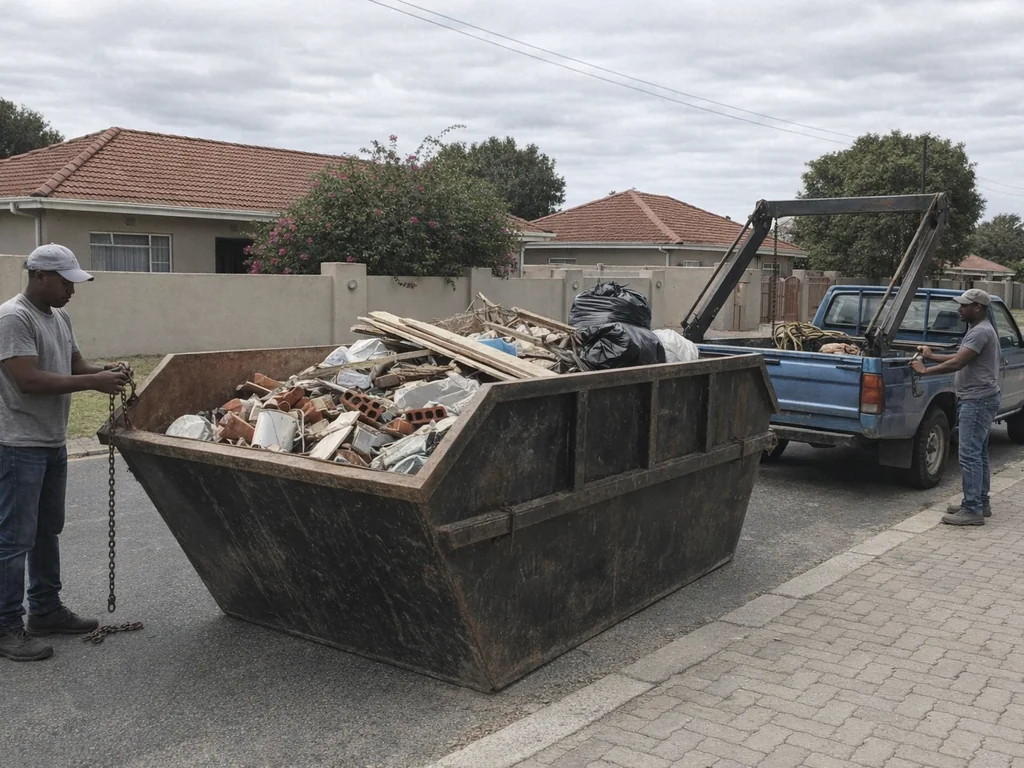
This is the decision that most bulky waste questions come down to, and it is decided by volume and by timing rather than by what the items are. A collection is a crew and a vehicle arriving once: you point, they load, it leaves. A skip is a container dropped on your driveway and left there on a hire of several days while you fill it at your own pace. Neither is cleverer than the other — they suit different jobs.
| Roughly what you have | What that looks like | Usually the better fit |
|---|---|---|
| One or two large items | A couch, a mattress, a broken wardrobe, an old geyser | Collection — it is ready now, and a skip would stand idle |
| A room's worth | A garage, a spare room or a storeroom cleared out | Collection if it is already piled; a 4 m³ mini-skip if you are still sorting |
| A single-room renovation | Fittings, cupboards and offcuts coming out over a few days | 4 m³ mini-skip |
| A bathroom plus a small kitchen, or a garden overhaul | Mixed rubble, tiling, units and green waste together | 6 m³ midi-skip |
| A full-house clearance or a demolition | Everything, generated steadily over a week | 12 m³ maxi-skip, or repeat collections if there is nowhere to stand one |
Two practical things tilt the answer. The first is standing space: a skip needs a driveway or a stretch of kerb it can legally occupy for the hire period, which rules it out for a lot of flats, complexes and narrow city streets. The second is whether the load already exists. If everything is stacked in the garage today, you are paying for days of hire you will not use. Our skip sizes and what each one holds page sets out the three bin sizes and current Cape Town pricing side by side if you want to compare properly.
What a bulky collection actually involves
On a bulky job the weight is almost never the problem. These items are large and light — a wardrobe fills a vehicle long before it strains anything — so the work sits in the route out and in where the load goes afterwards.
The route out
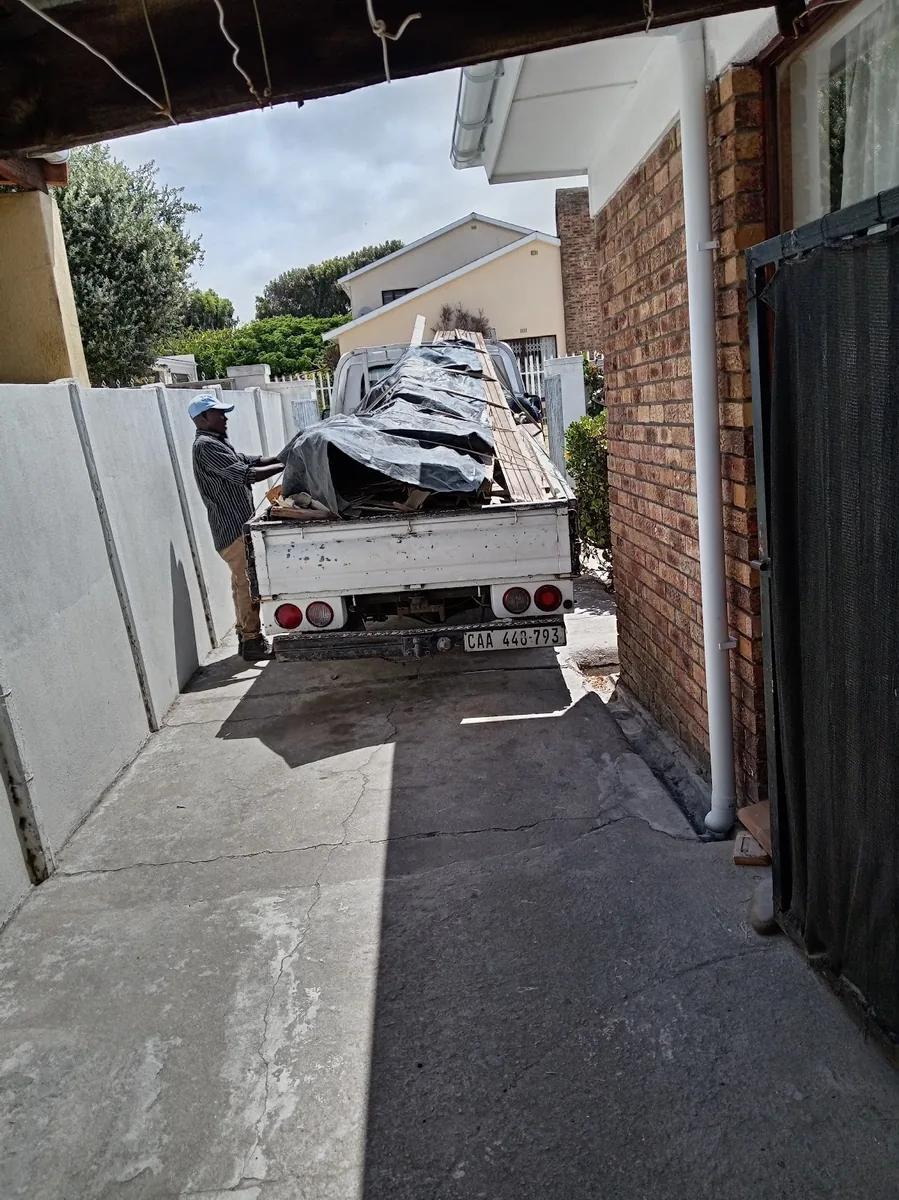
A passage width, a turn at the top of a staircase, a security gate that only opens to ninety degrees, a complex that allows loading at set hours. This is what decides how long a job takes, and it is why a photo tells us more than a list does.
Volume, not weight
Bulky loads are priced by the space they occupy on the vehicle. Two bulky items and five small ones can come to the same load, which is why adding the rest of the clear-out to one visit beats booking twice a fortnight apart.
Where it goes
A mixed bulky load rarely has one destination. Rubble, green waste, metal and general waste are separate streams at the gate, so a load that looks like one job on your driveway can be several stops afterwards.
Timing
A flexible weekday slot is the cheapest version of any bulky job. A fixed hour because a lease ends or an inspection is booked is a different piece of work, and worth saying up front.
If you would rather have a figure than a range, a photograph of the pile plus a shot of where a vehicle can stand is usually enough to price a bulky collection properly. It takes about a minute and it beats describing a wardrobe over the phone.
Frequently asked questions
Does Cape Town have a bulky waste collection service?
Not as part of the residential round. The City's list of residential solid waste services carries no bulky or special collection, and the weekly service collects only what is inside the wheelie bin. The one extra household collection it offers is for garden refuse, at an additional cost.
What counts as bulky waste?
Anything that will not fit in the 240-litre wheelie bin with the lid closed. In practice that means furniture, mattresses, bed bases, wardrobes, doors, carpets, geysers, large garden loads and the leftovers of a clear-out.
Can I put a large item next to my bin?
No. The City states that anything left on top of or next to the bin will not be collected, and asks that waste be sealed and placed in the bin rather than beside it or on the pavement. The item will simply still be there afterwards.
Can I take bulky waste to a City drop-off myself?
Often yes, and it is free for residents — the City describes the drop-offs as taking recyclables plus bulky garage and garden waste. Acceptance is set per site, though, and four drop-offs take no bulky waste at all, so confirm before you load.
How much can I take in one trip?
The City's drop-off rules cover cars, trailers and light vehicles up to 1.5 tons, with a maximum of three loads per user per day. They are residential facilities — a truck-sized commercial load belongs at a Council disposal facility, at tariff.
Is it cheaper to hire a skip or book a collection?
It depends on how the load arrives. A skip is hired for several days and suits waste generated over time; a collection is a single visit and suits a pile that already exists. For one or two items, a collection is almost always the sensible answer.
Sources
- City of Cape Town — Residential waste collection services
- City of Cape Town — Residential solid waste services
- City of Cape Town — Drop-off facilities
- City of Cape Town — Drop-off Sites Table and Operating Times
Keep reading
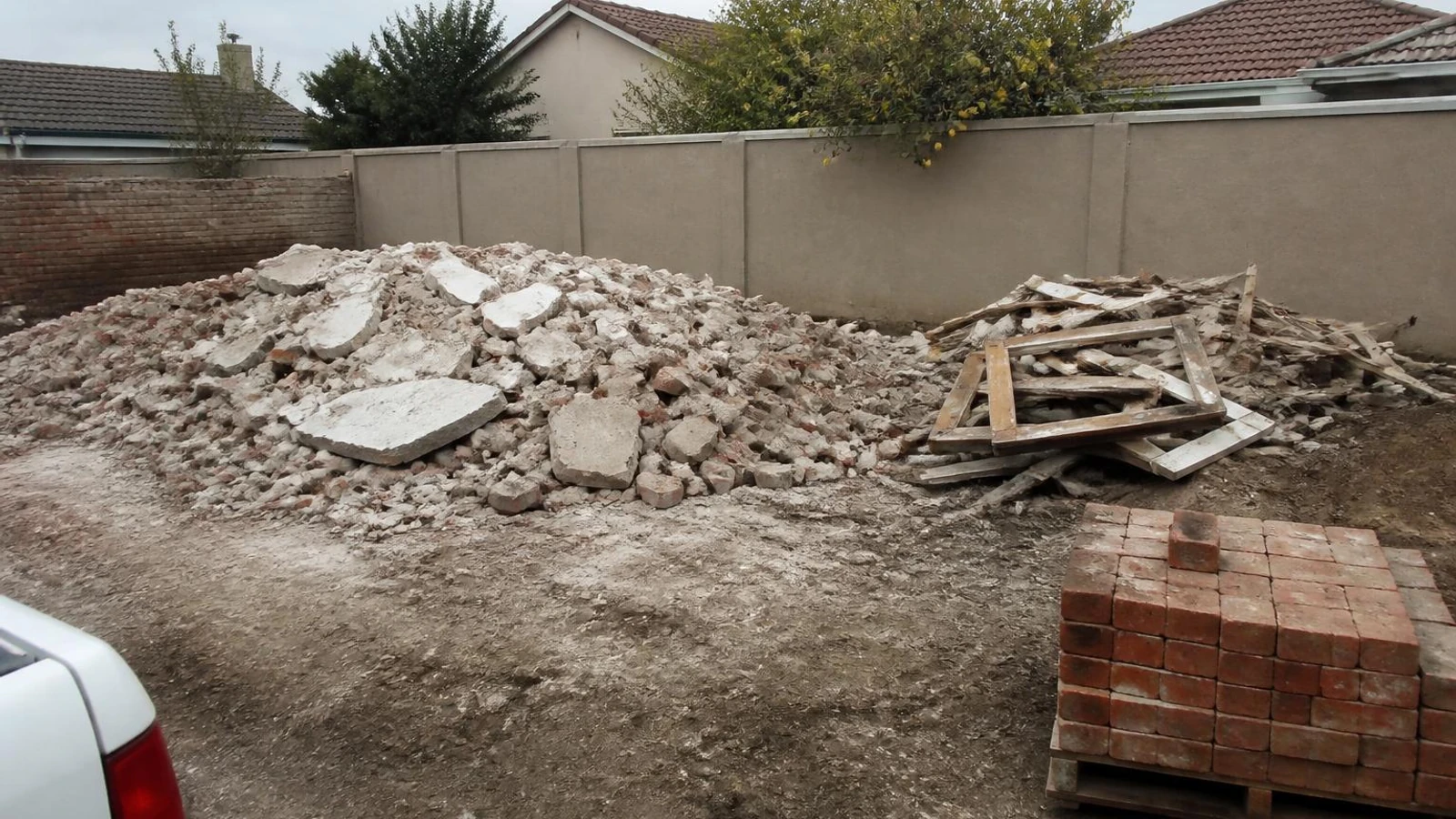
Demolition Debris Removal Cape Town
A knock-down leaves a heap far bigger than the wall it came from, and in Cape Town the paperwork follows the debris all the way to the weighbridge. Here is the order it runs in, and how to get the plot clear without a problem at final inspection.
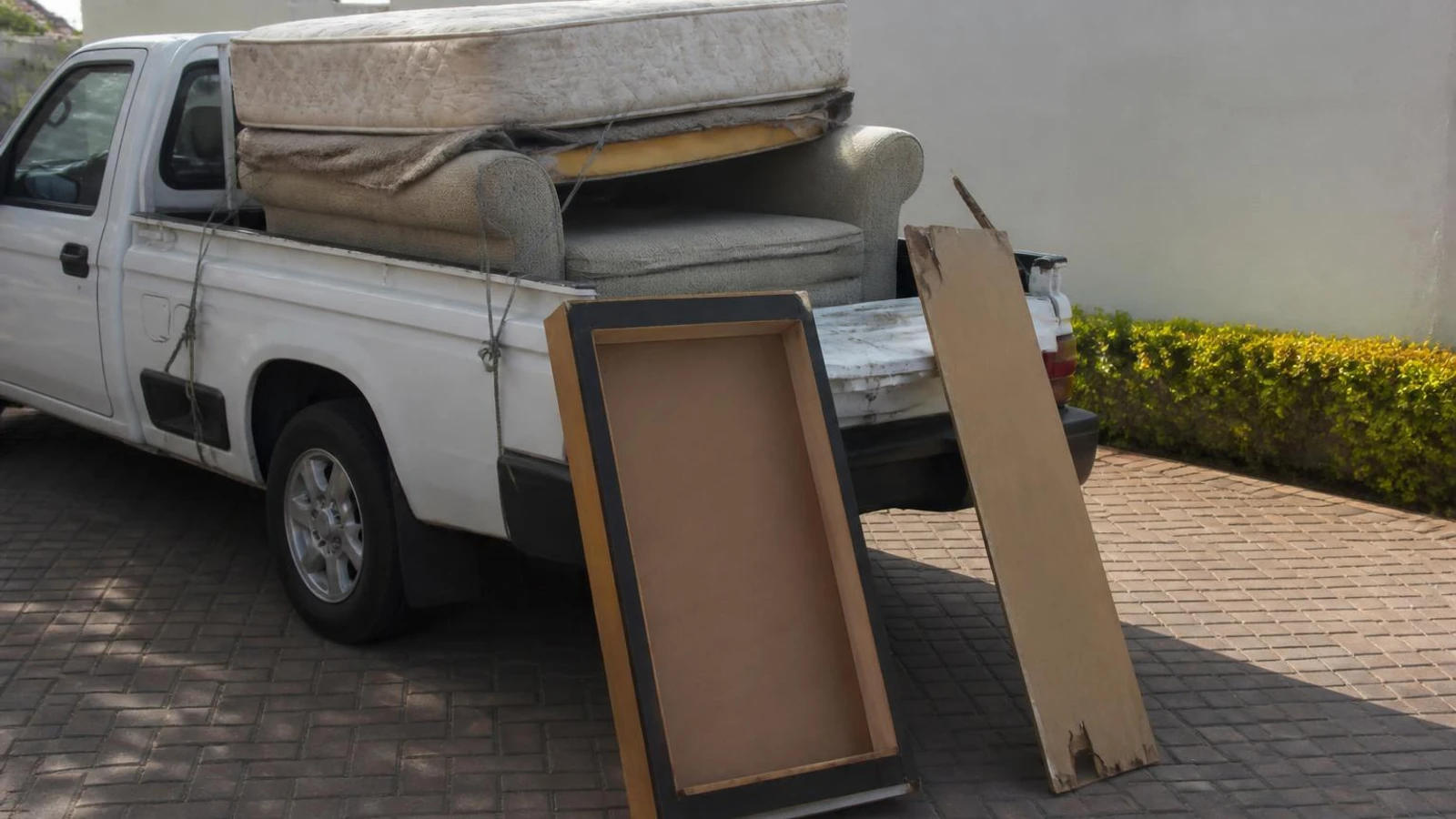
Mattress & Furniture Removal Cape Town
A mattress is the one thing in a house that nobody has a plan for. Here's how mattress and old furniture removal actually works in Cape Town — the municipal rules, who takes a donation, and when a paid collection is the sensible answer.
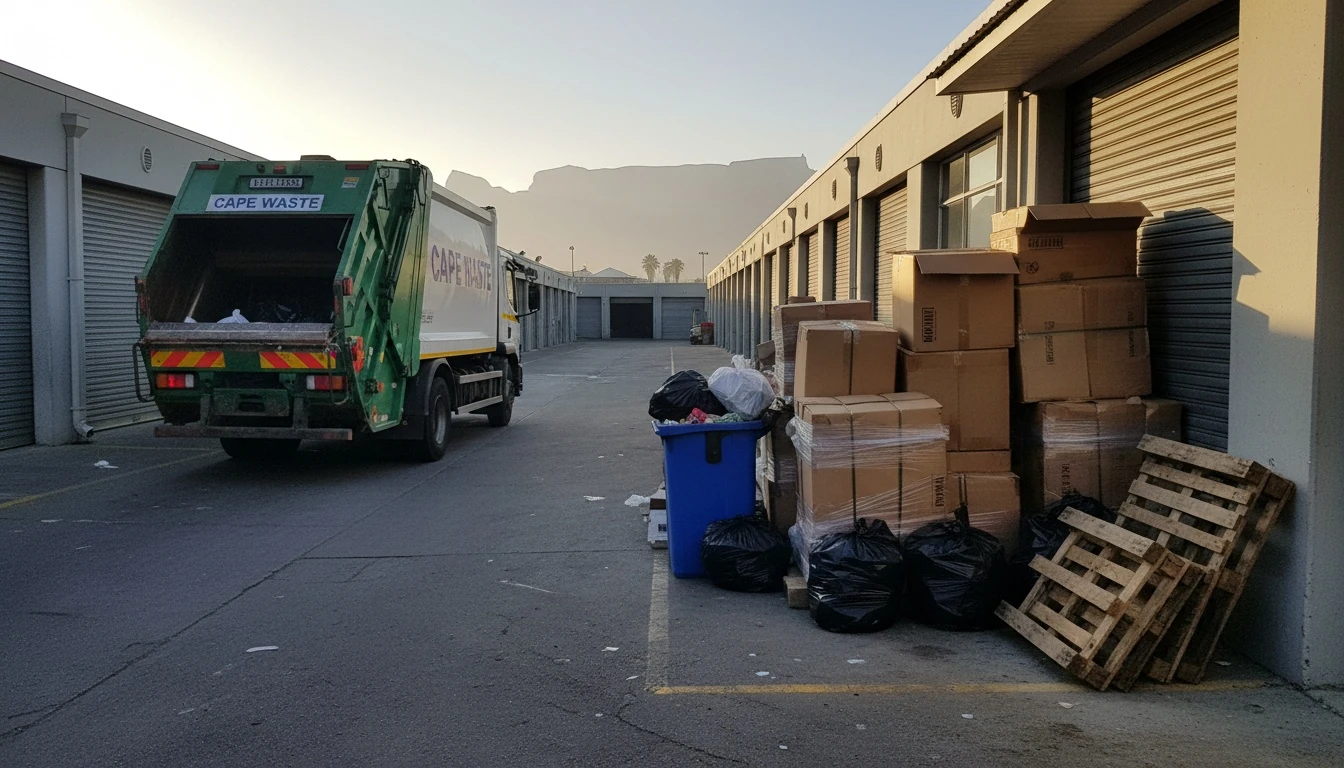
Commercial Waste Collection Cape Town
A guide to commercial waste collection in Cape Town — the by-law that keeps trade waste off the municipal kerbside, once-off vs scheduled pickups, and what offices, shops and body corporates actually generate.