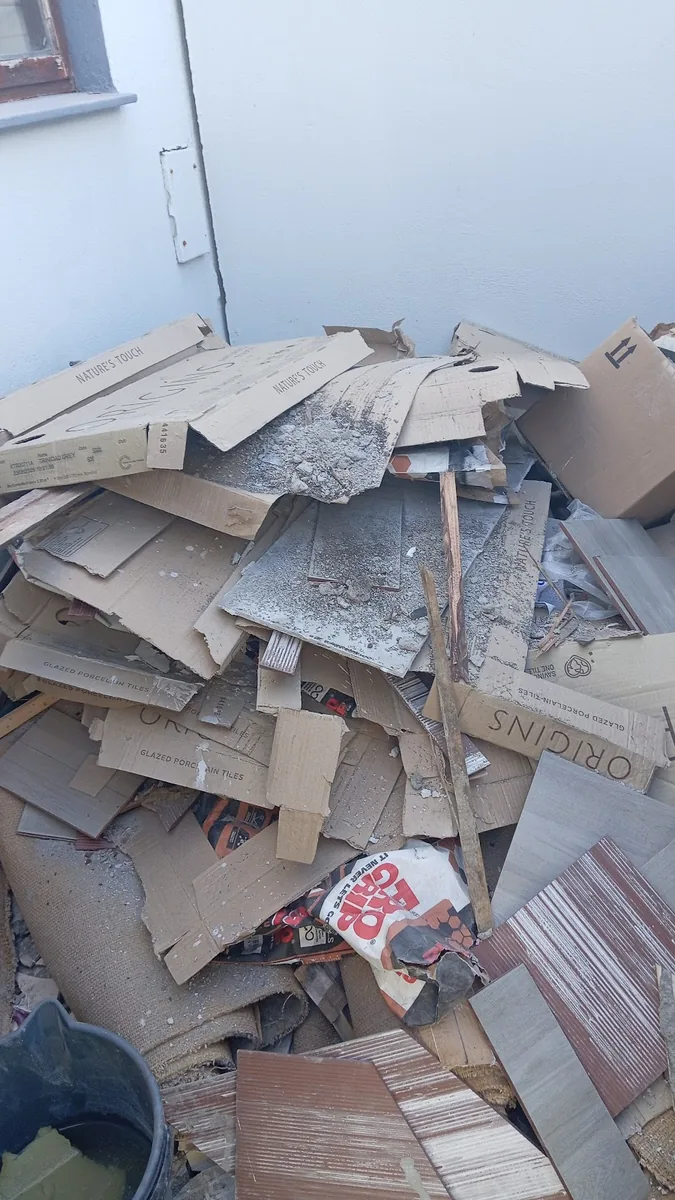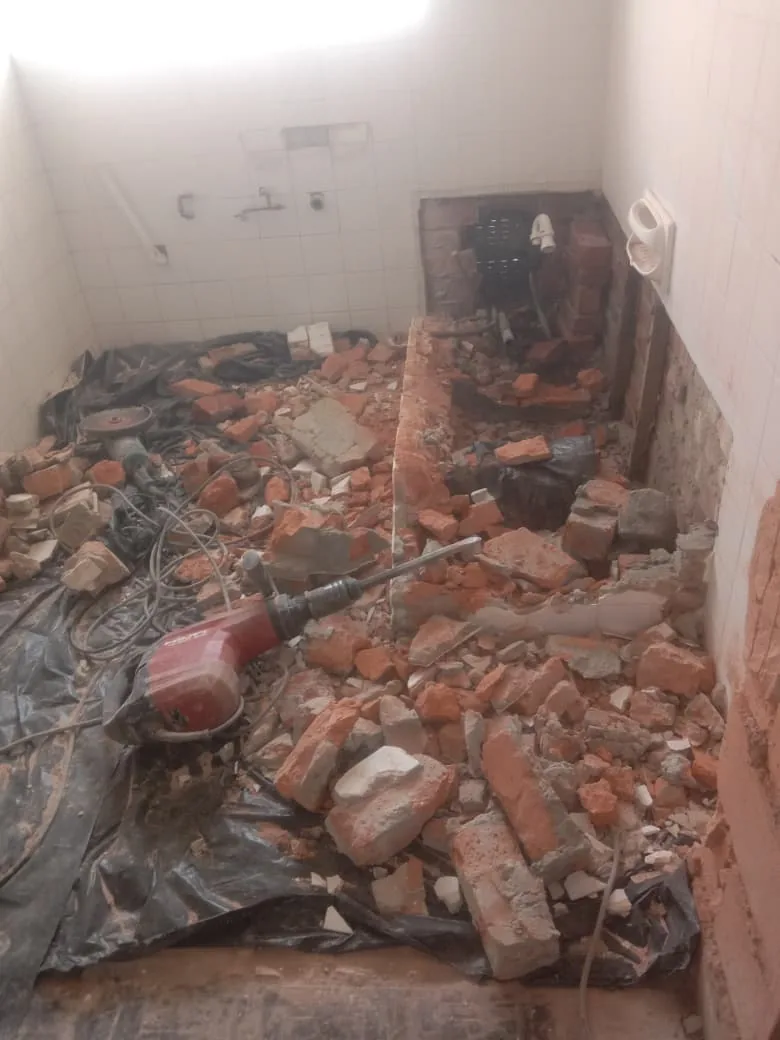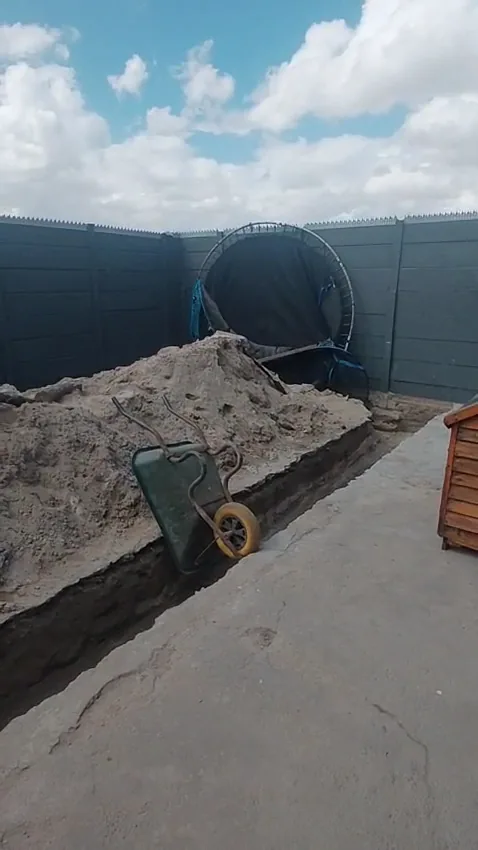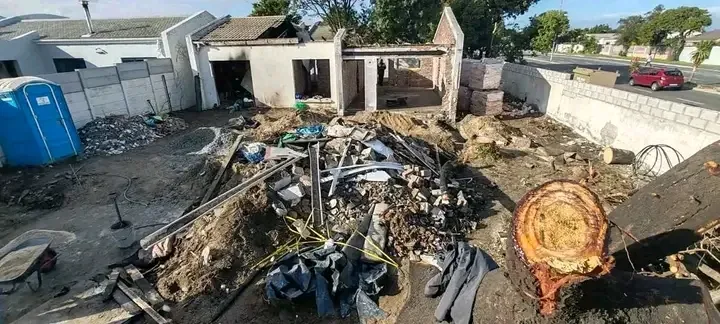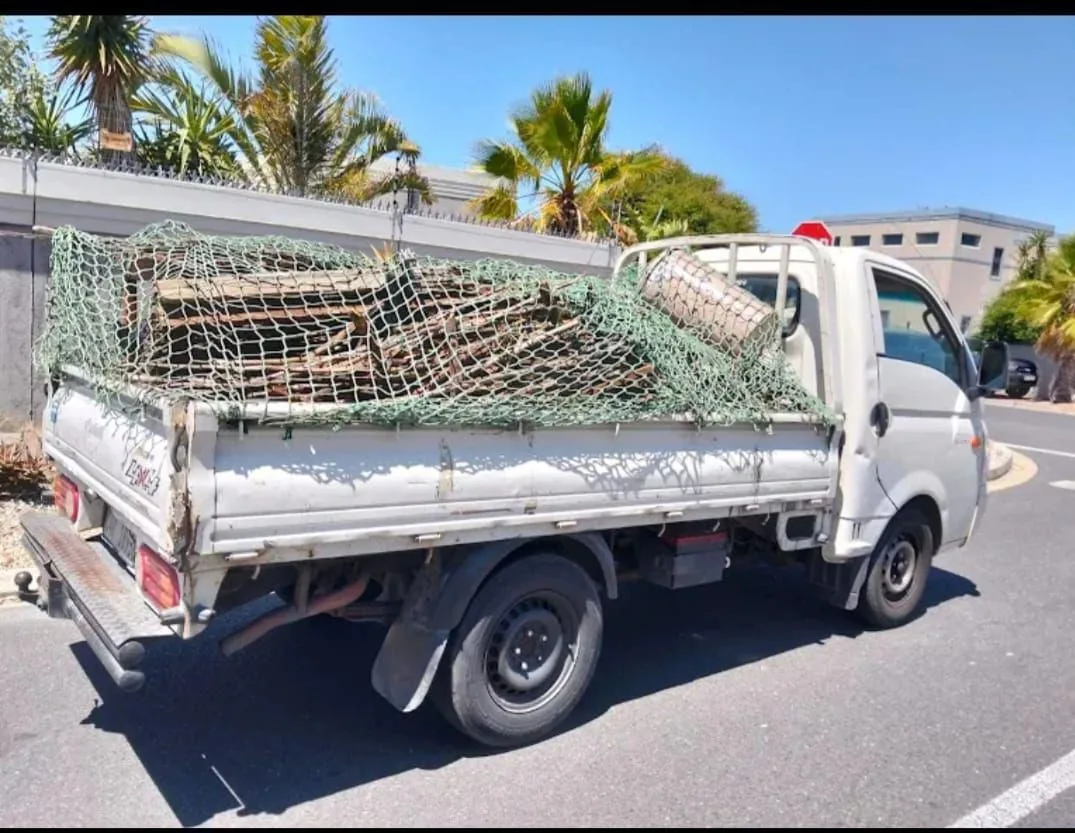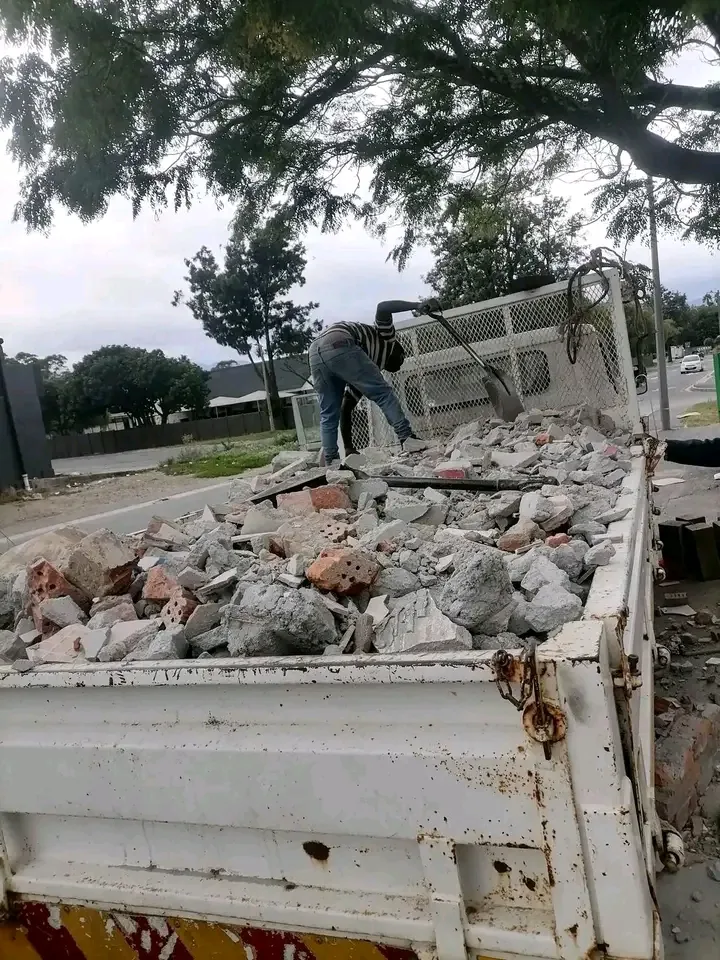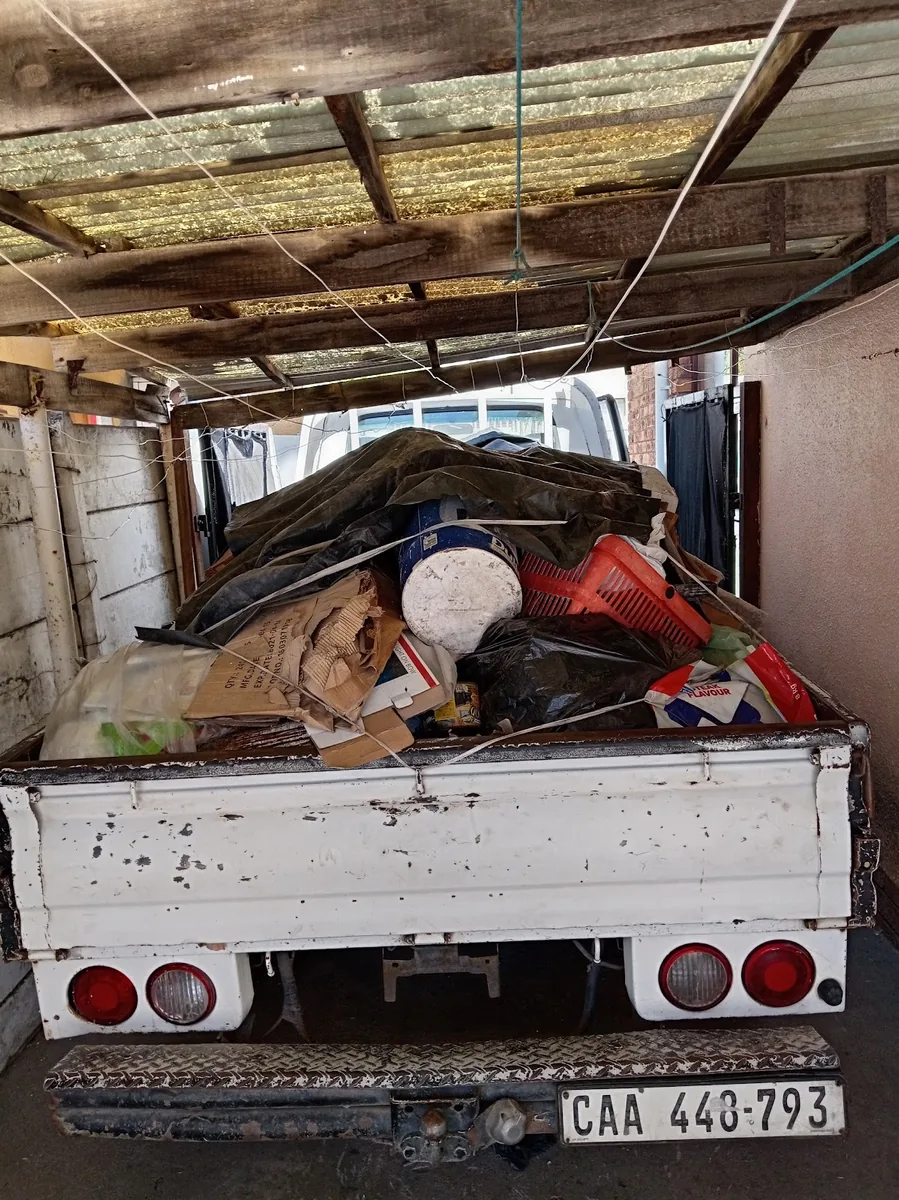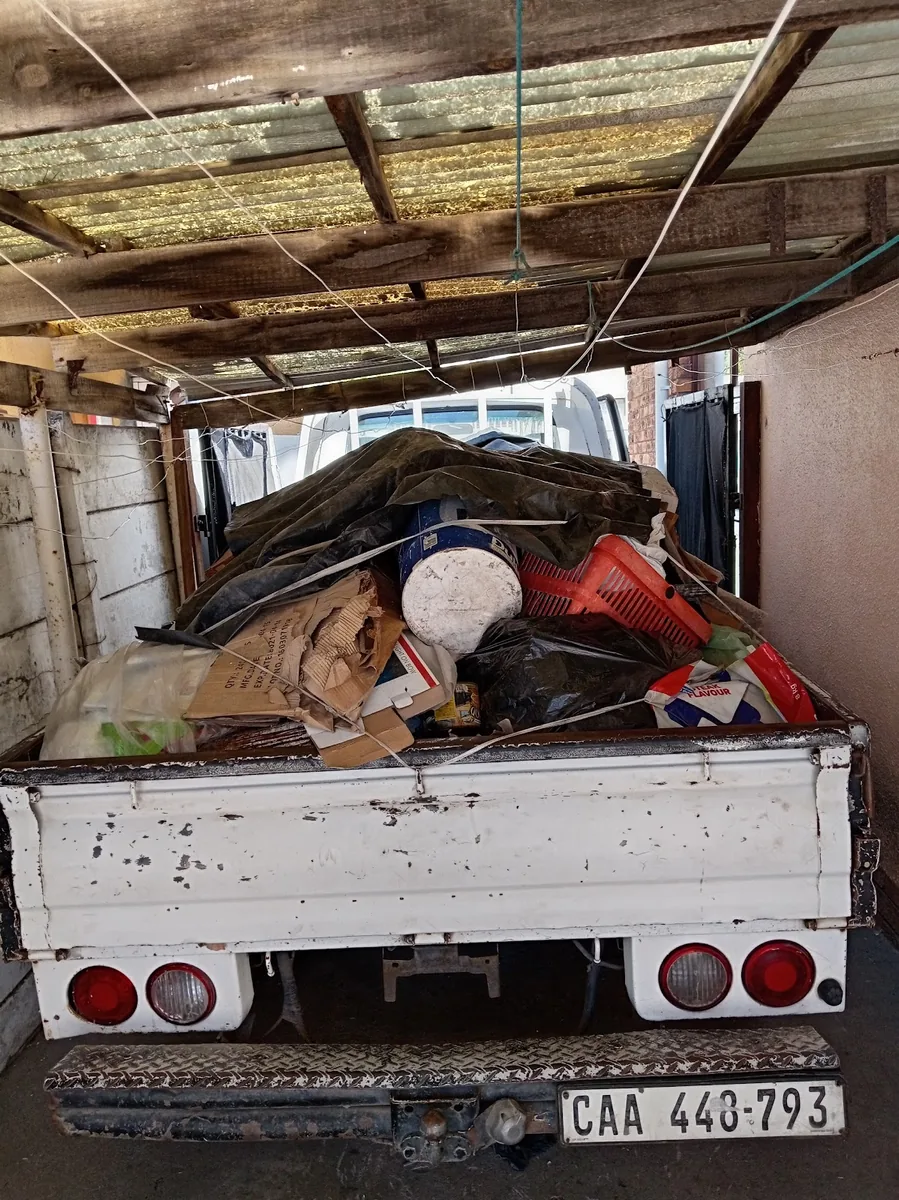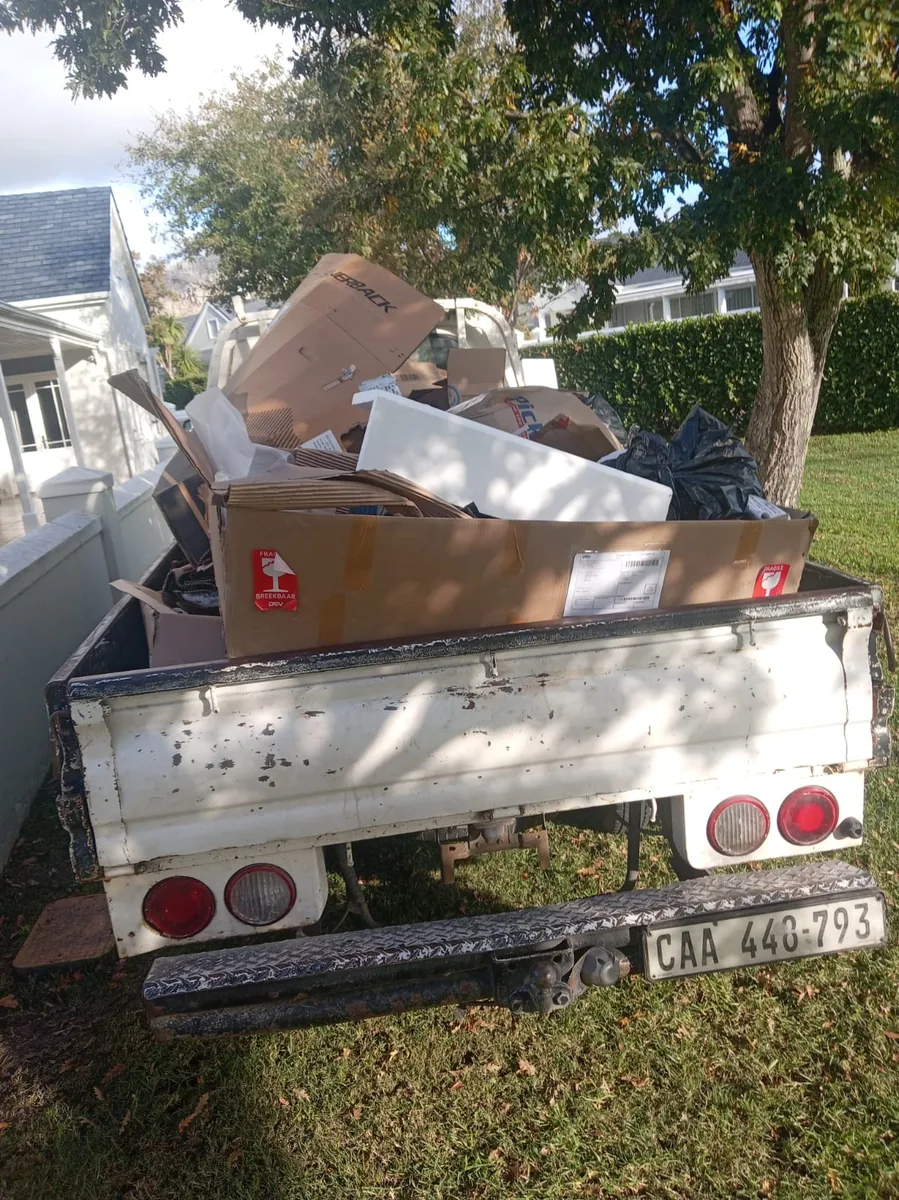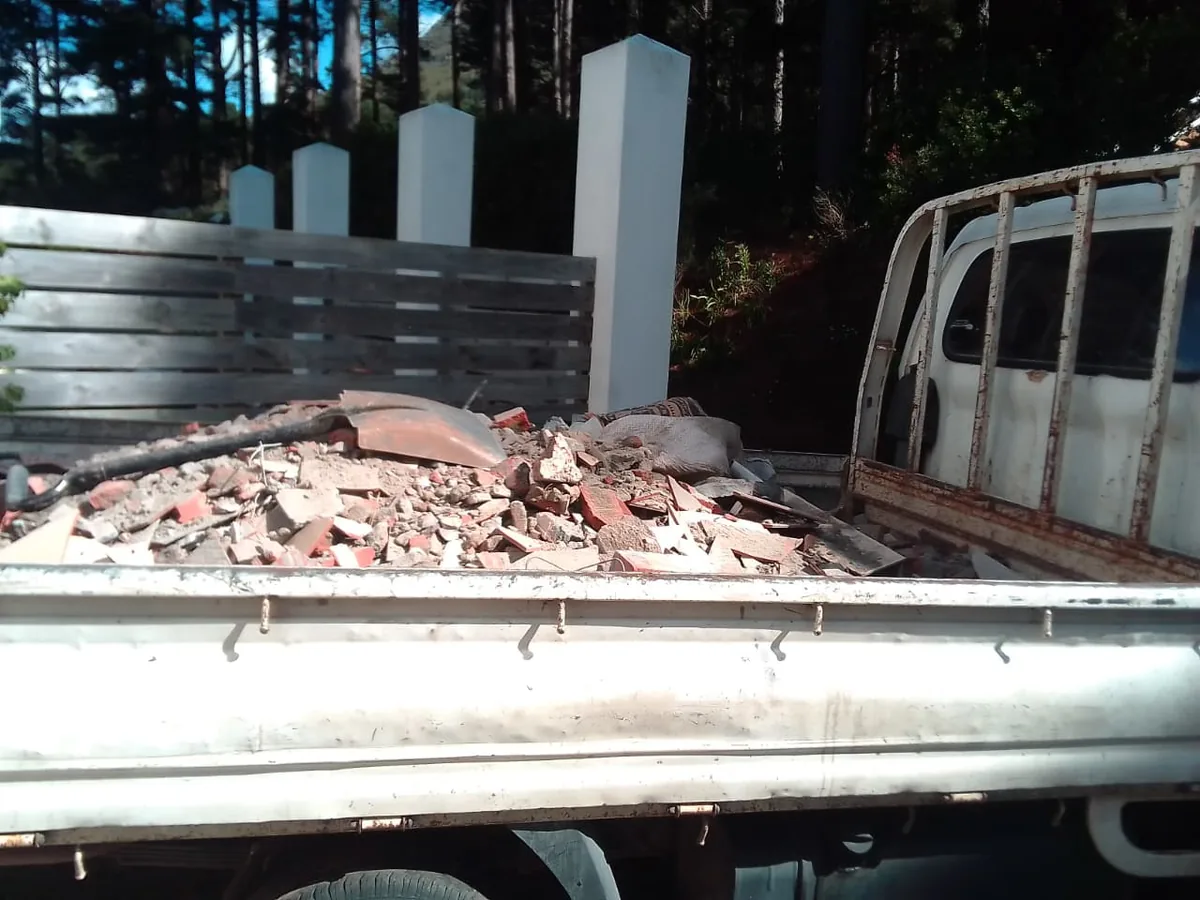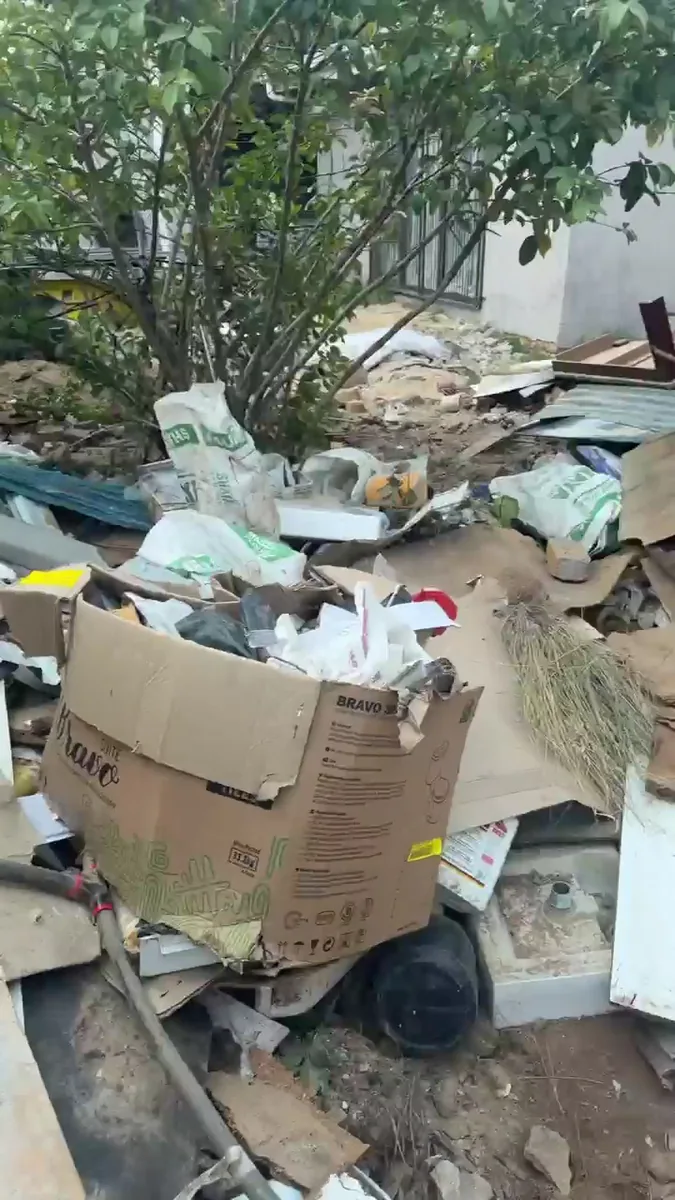
Demolition debris removal in Cape Town starts long before anyone picks up a shovel. Knocking down a garage, an outbuilding or a back extension turns a standing structure into a loose heap of broken brick, concrete, roof timbers and old frames — and the City wants to know where every tonne of it ends up. This guide is about that debris: the checks that have to happen before the structure comes down, how to sort the heap so it can go somewhere lawful, and the weighbridge paperwork that can hold up a final inspection if nobody kept it.
Key takeaways
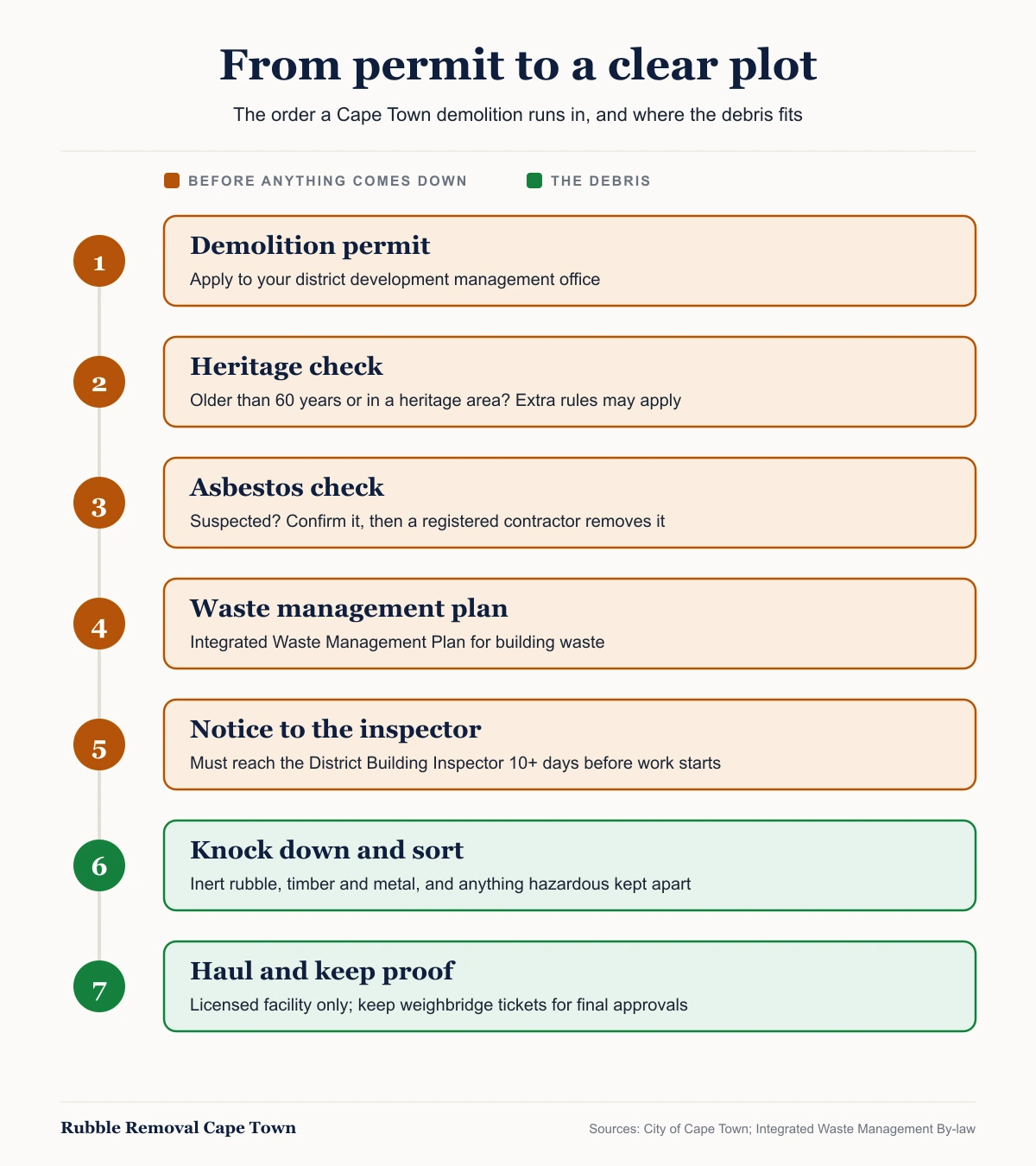
- In nearly all cases the City requires a demolition permit, and a notice of intention must reach the District Building Inspector at least 10 days before work starts.
- A structure older than 60 years, in a conservation or heritage area, or regarded as a heritage resource may need a heritage impact assessment first.
- Suspected asbestos stops the job until it is confirmed and removed by a registered asbestos contractor. It never goes in a rubble load.
- Demolition work needs an Integrated Waste Management Plan, and the by-law sends building waste to a licensed crushing plant, landfill or building waste facility only.
- Keep the weighbridge ticket from every load. Before an occupancy certificate is issued, the owner can be asked to prove the full mass of rubble was disposed of lawfully.
Before anything comes down: the permit and the notice
The first thing to settle is not the skip size. It is whether the demolition is allowed to start at all. The City of Cape Town is plain about this on its demolition permit page.
City of Cape Town, apply for a demolition permit
"In nearly all instances, you will need a permit from your local development management district office to carry out demolition work."
The registered owner applies, or nominates an authorised person to do it. Once approval is granted, a Notice of Intention to commence demolition (prescribed by National Building Regulation A22) has to reach the District Building Inspector at least 10 days before the start date written on it. That 10-day gap is worth planning around: it is the reason a removal booking made for "this Saturday" on a structure nobody has applied for yet is not a booking at all.
Three checks that can stop the job: heritage, asbestos and the waste plan
Three things can stop a small Cape Town demolition if nobody checked them first. The City's own guidance names all three.
Heritage
If the structure is in a conservation or heritage area, is older than 60 years, or is regarded as a heritage resource, the City says you may need to comply with a special set of rules, including a heritage impact assessment. Check the age of an old garage or outbuilding before assuming it is exempt.
Asbestos
The City's guidance is that once asbestos material is identified, demolition may not start without permission from the Department of Labour. An approved inspection authority confirms it, and a registered asbestos contractor removes it.
Waste plan
In the City's words: "If you are going to be doing any demolition work, you have to apply for an Integrated Waste Management Plan for Building Waste Generators." It sets out where the debris is going before it exists.
Asbestos deserves the most attention, because it is the one that turns a removal job into a health problem. The City notes that South Africa banned the import, export, use and manufacture of asbestos in 2008 — which means buildings put up before then can still contain it, most often in asbestos-cement building products. Removal now falls under the Asbestos Abatement Regulations published in 2020. The waste goes in containers that prevent exposure, to a designated hazardous waste facility, and the contractor should hand over a Safe Disposal Certificate at the end. None of it belongs on a rubble truck.
Work Safe Queensland, the Australian state's workplace safety body, on where to look for asbestos in an older house. Any rules it refers to are Australian, not South African; the places it shows are a useful checklist for an older Cape Town home too.
What demolition debris actually is, in the by-law's terms
Cape Town's Integrated Waste Management By-law does not use the phrase "demolition debris". It uses "building waste", and the definition is worth reading because it decides what can go in the same load.
Integrated Waste Management By-law, 2009 (as amended 2016), section 1
"'building waste' means waste produced through the construction, alteration, repair or demolition of any structure both manmade and natural,— (a) and includes rubble, earth, wood and rock that is displaced during any construction, alteration, repair or demolition, (b) but excludes garden waste and hazardous waste."
Counts as building waste
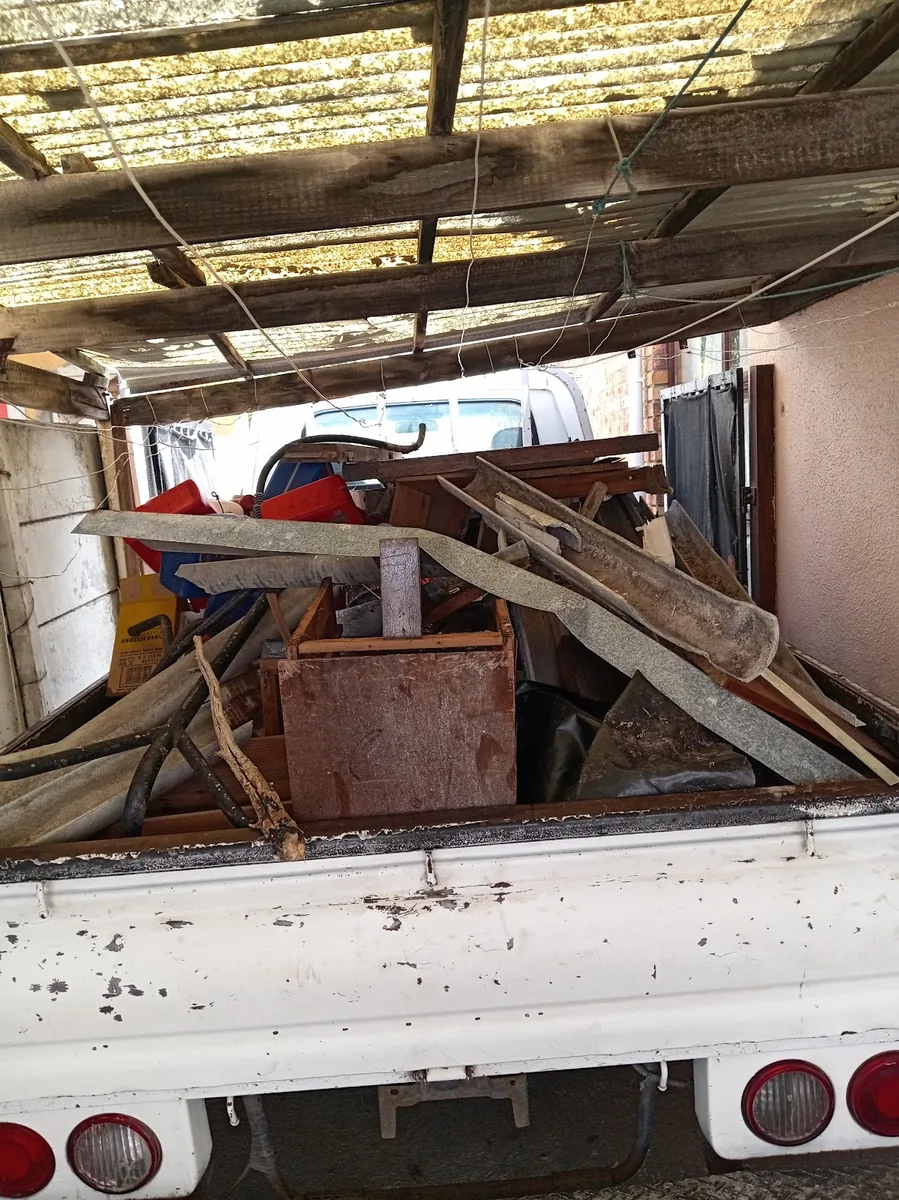
Broken brick and concrete, earth and rock, and the roof timbers and door frames from a knock-down. Wood is named in the definition, so it is not a separate problem.
Does not
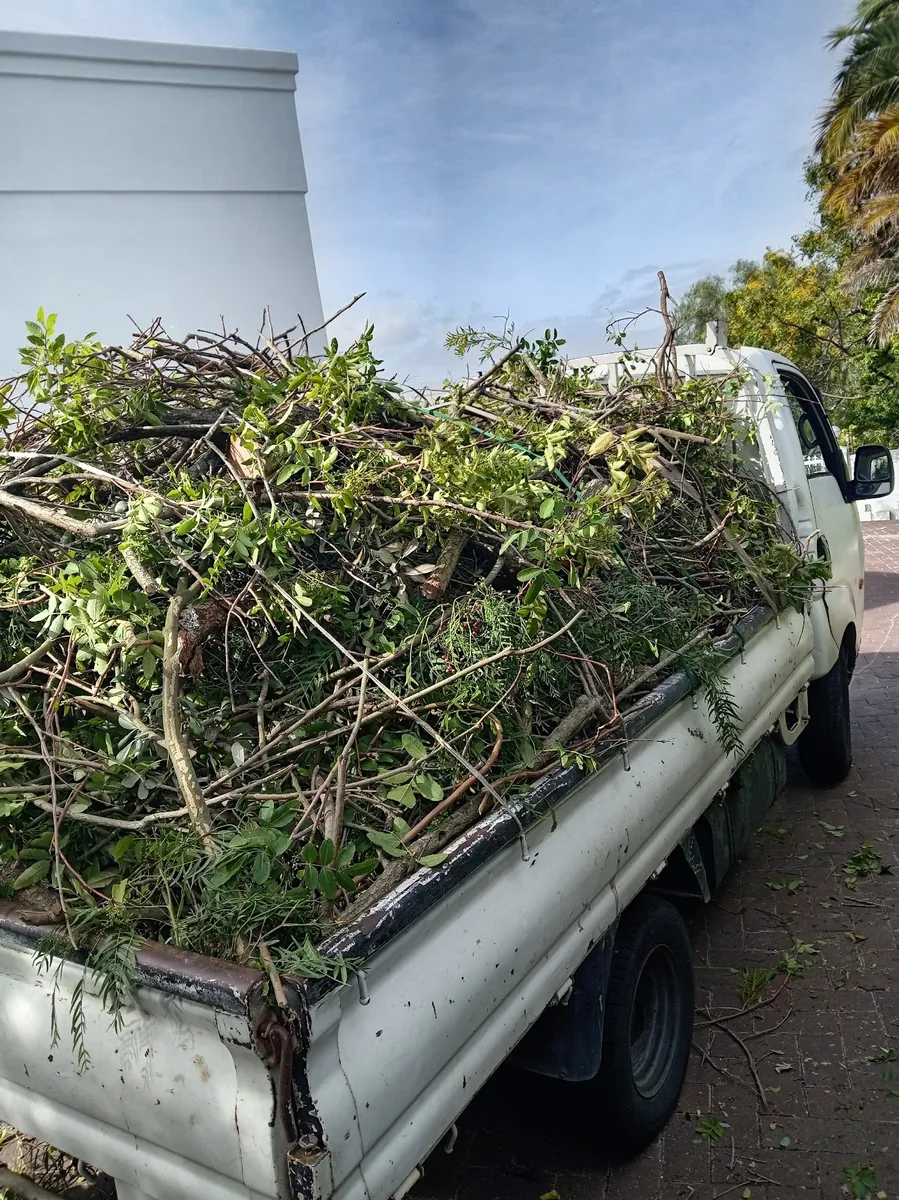
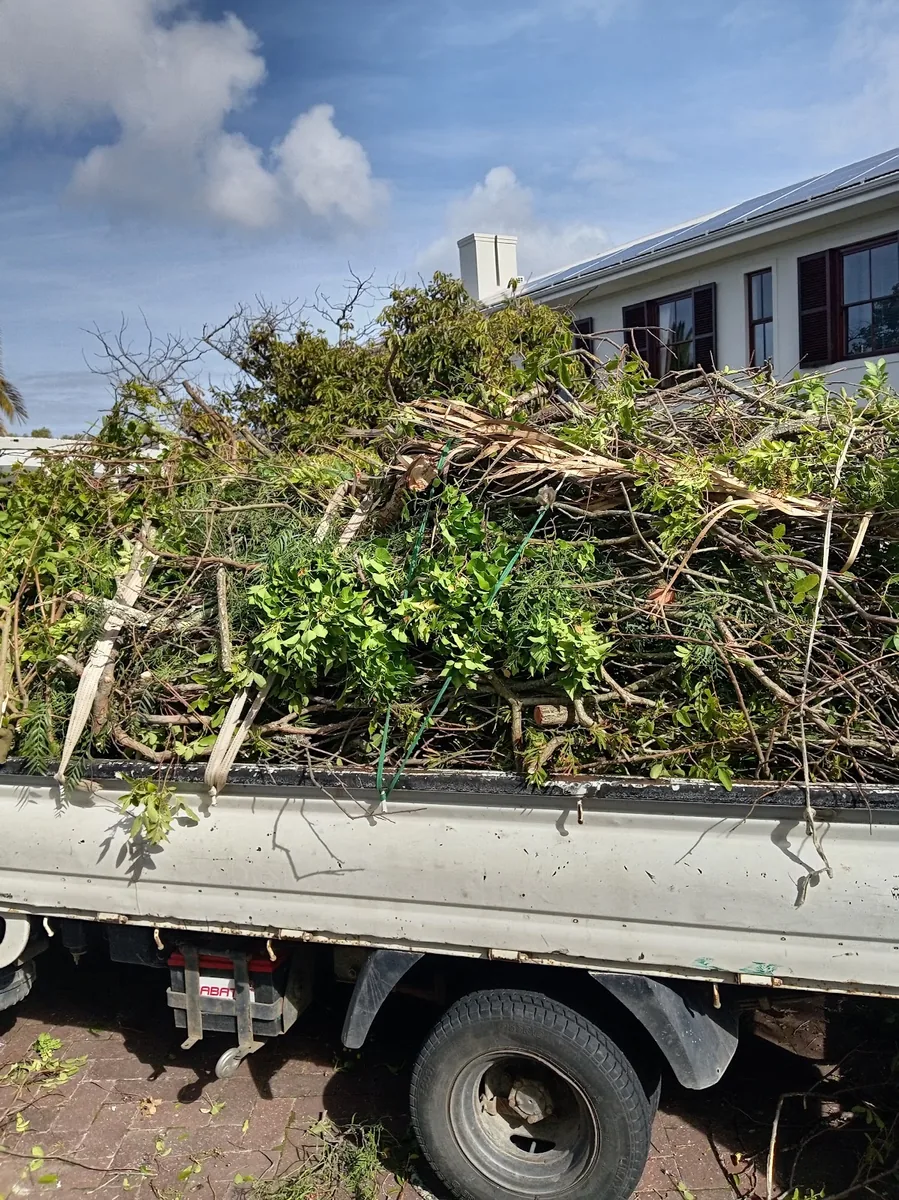
The trees and hedge cleared to give the machine access are garden waste. Anything hazardous, asbestos included, has its own route.
That second exclusion matters more than it looks. Under section 4(18) of the by-law, building waste contaminated with something hazardous must go to a licensed hazardous waste facility — so one asbestos sheet broken into the heap changes where the whole heap can go. If you want the wider picture of rubble on a site that is still being built rather than knocked down, we cover building rubble on an active site separately.
Sort the heap before it is loaded
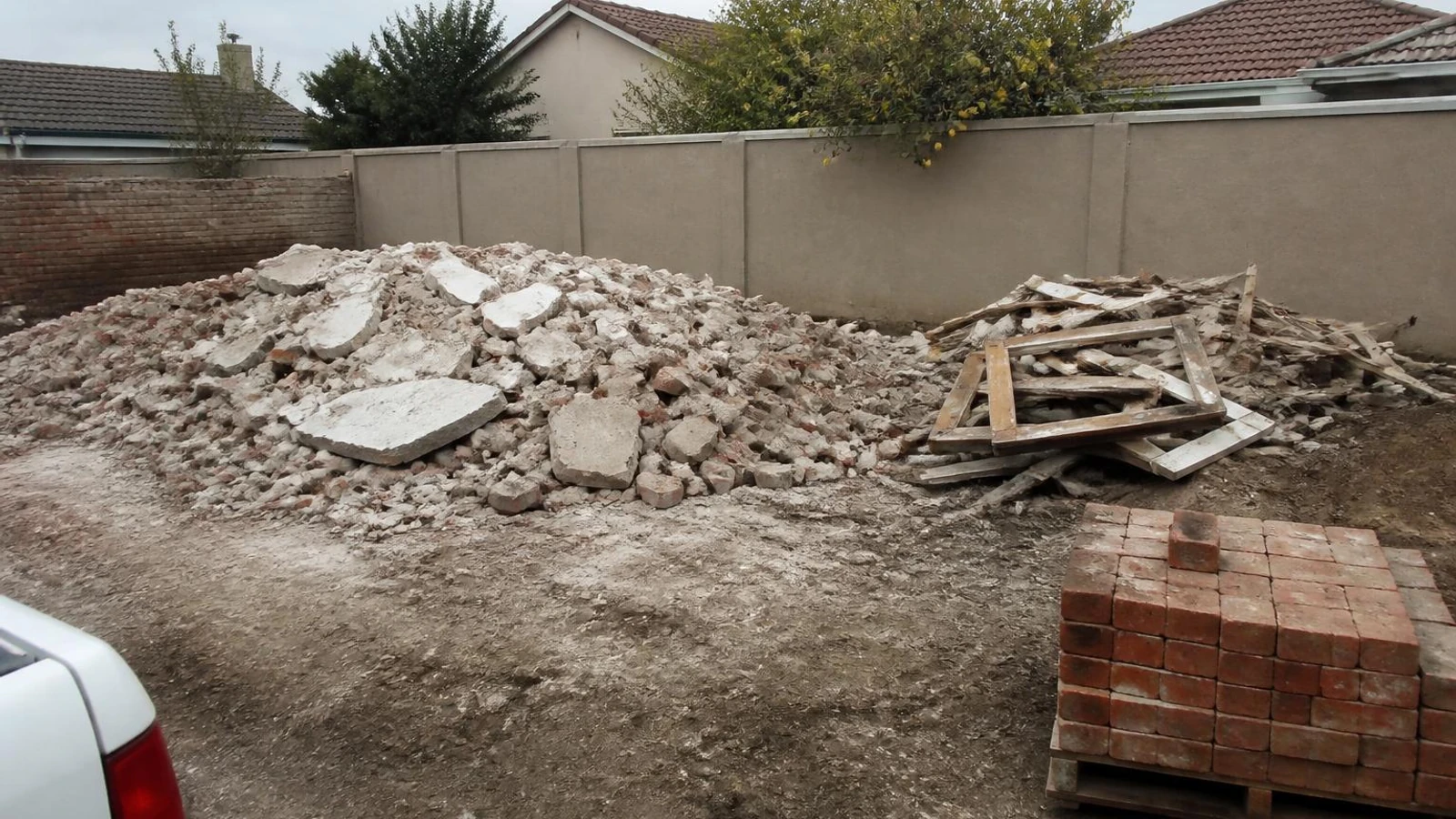
A demolition is the one job where sorting costs almost nothing, because everything is already on the ground and being moved anyway. Three heaps, kept apart from the first swing, make the rest of the job simpler.
Masonry and concrete
Broken brick, blocks and concrete slab. The bulk of any knock-down, and the material a crushing plant exists to take.
Timber, metal and fittings
Roof timbers, door and window frames, gutters, burglar bars. Still building waste, but kept out of the masonry heap so that heap stays clean. Some of it is worth salvaging.
Set aside, do not load
Anything that might be asbestos, plus paint tins, solvents and oil. Stop and get it identified rather than burying it in the rubble.
Whole bricks and sound roof sheeting (non-asbestos) are worth pulling out as you go. They have a second life on someone else's build, and every one you keep is one less on the truck.
Sizing the load: why the heap is bigger than the wall
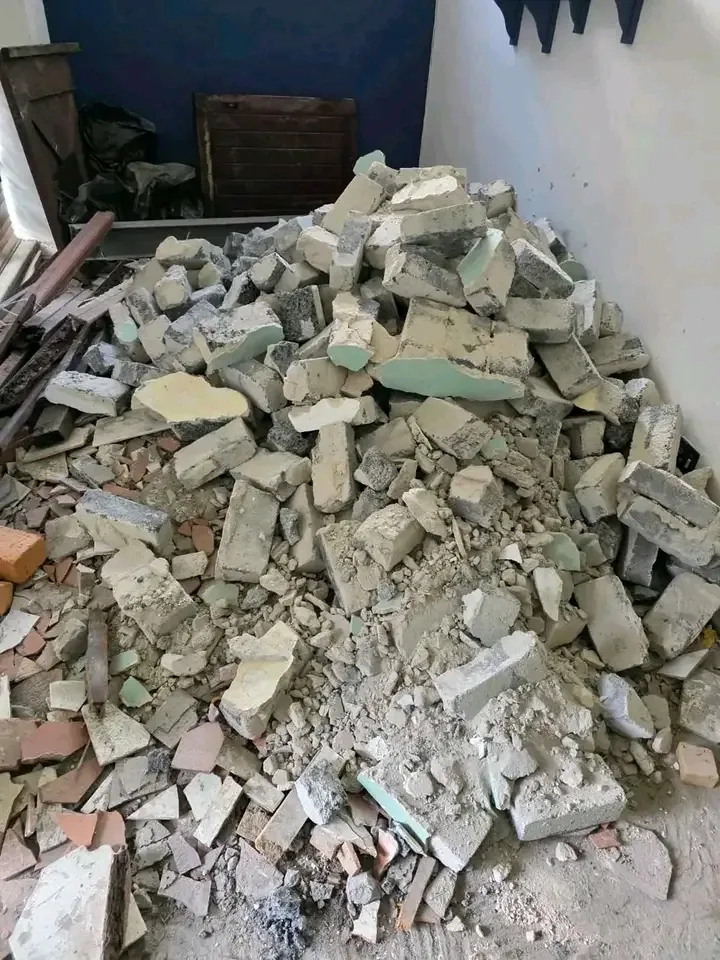
The most common surprise on a demolition is volume. A brick wall is solid. Once it is broken up, the pieces no longer fit together, so the same material takes up noticeably more space as a loose heap than it did standing. Quantity surveyors call this bulking, and it is why a small outbuilding can fill more than one truck.
| What to send | Why it matters |
|---|---|
| A photo of the heap, with something for scale | Volume, not weight, decides how many loads it is. |
| Rough length, width and height of the heap | Turns a guess into a number of trips. |
| What is in it: masonry only, or mixed | Decides which licensed facility the load can go to. |
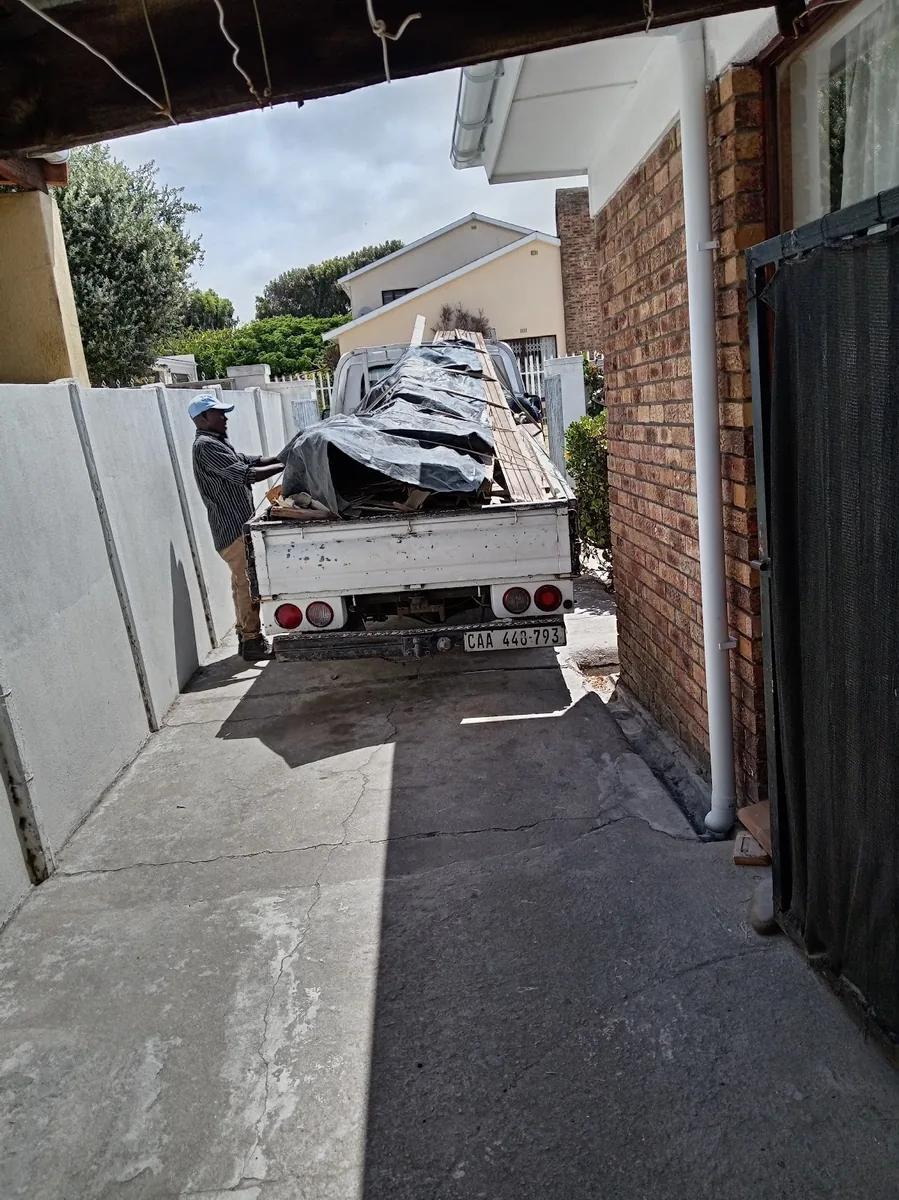
| How close a truck can get | Carrying rubble down a side passage can be most of the labour. |
For a single garage or outbuilding, a photo and those four answers are usually enough for a firm figure. Whether it is a Woodstock back room or a Durbanville outbuilding, the questions are the same.
Where it can go, and the proof you need to keep
Section 4(16) of the by-law is short. Whoever generates building waste, or owns the property it comes from, may not store it in the City's residential bins, and must take it to "a licenced crushing plant or landfill site or any other licenced building waste disposal facility". Our directory of City drop-offs and landfills shows what each City facility takes. Dumping it on a street, a road or a vacant erf instead is prohibited under section 15.
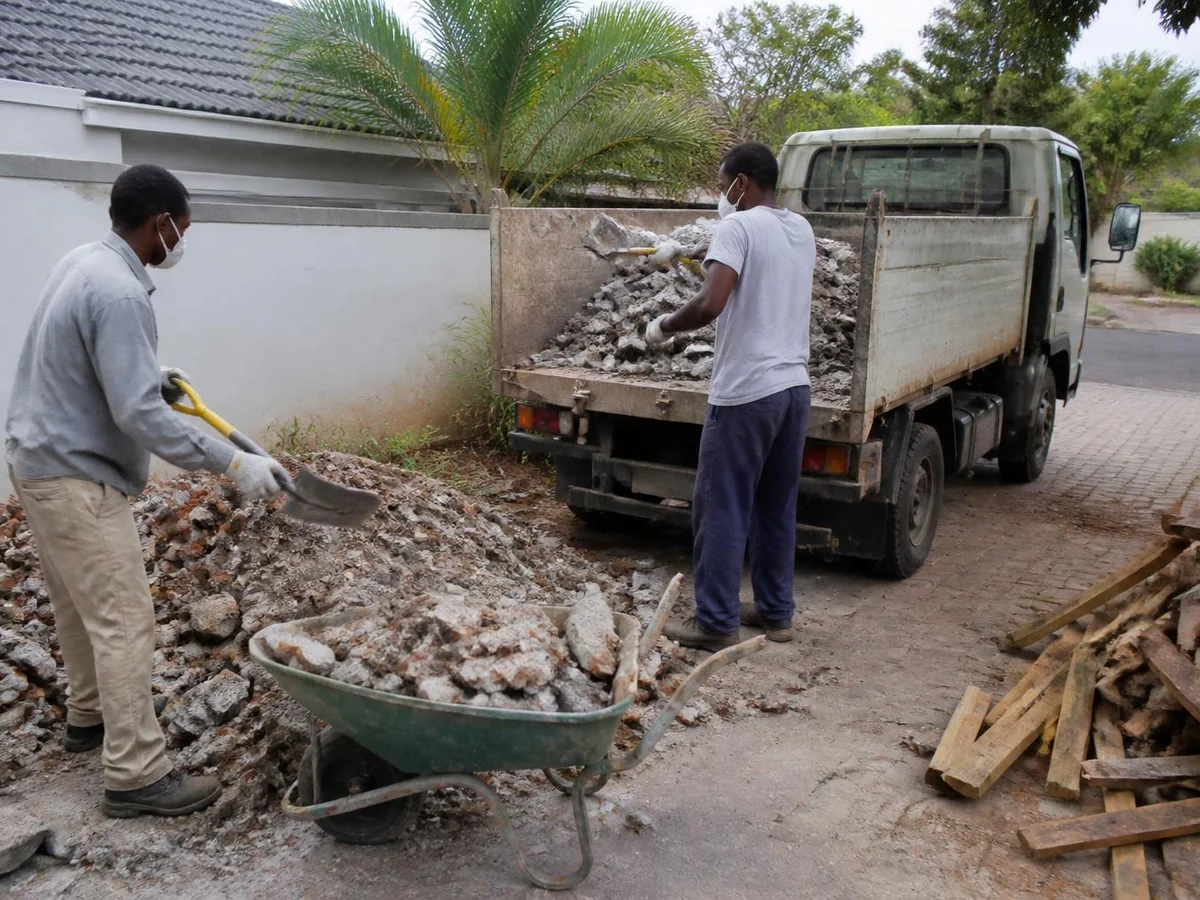
The part most people miss comes at the end. When the building control officer inspects finished building work, section 4(21) says they "shall also check if all building waste has been disposed of", and section 4(22) goes further.
By-law section 4(22) — the weighbridge rule
The owner "will be required to provide the building control officer with proof of a weighbridge certificate that he or she has disposed of the full mass of the building rubble at a licenced waste disposal facility for that category of waste prior to an occupancy certificate or any final approvals being granted."
So if the demolition is making way for a new build, the weighbridge tickets are part of the paperwork for the house that follows. Ask whoever hauls the debris for the ticket from every load, and keep them with the plans. A heap tipped on a vacant plot has no ticket, and no ticket can turn into a delayed occupancy certificate.
Getting the plot cleared
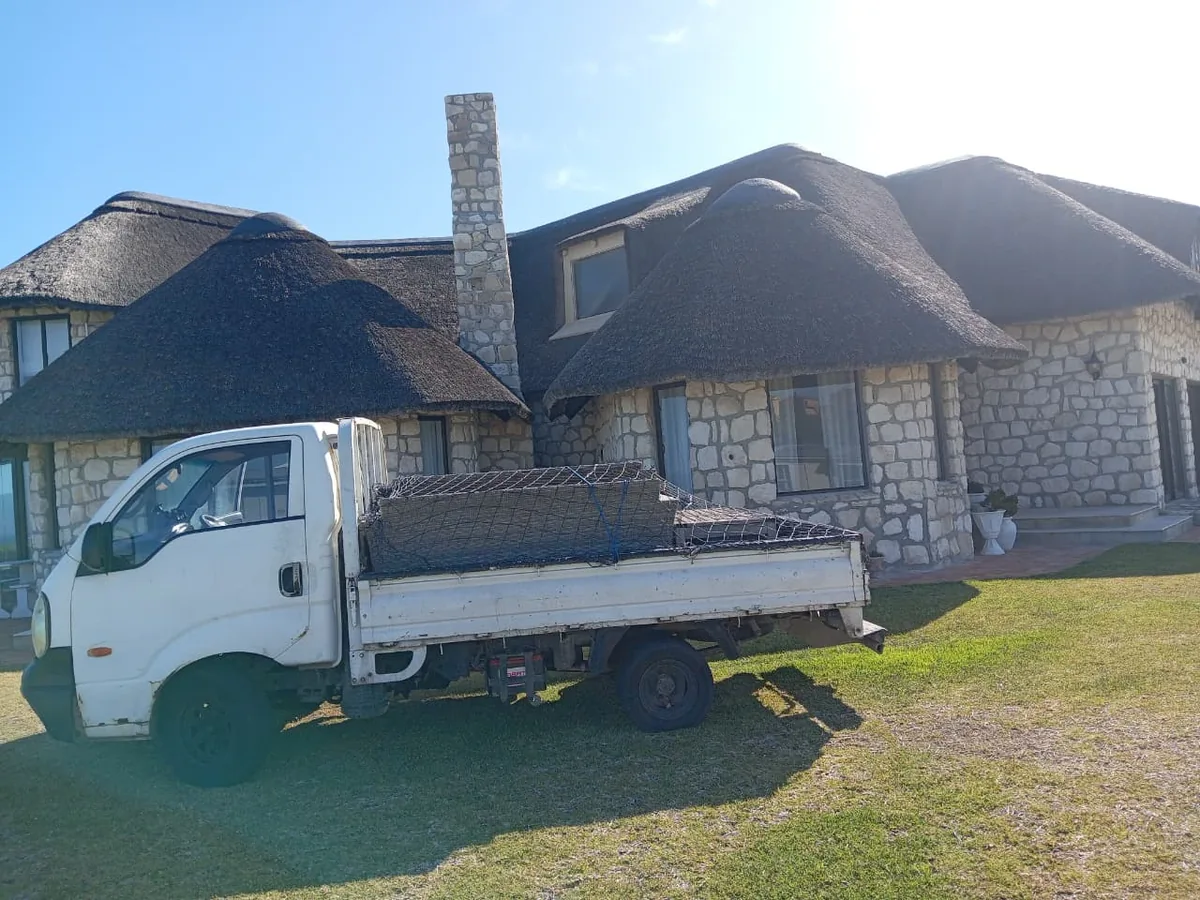
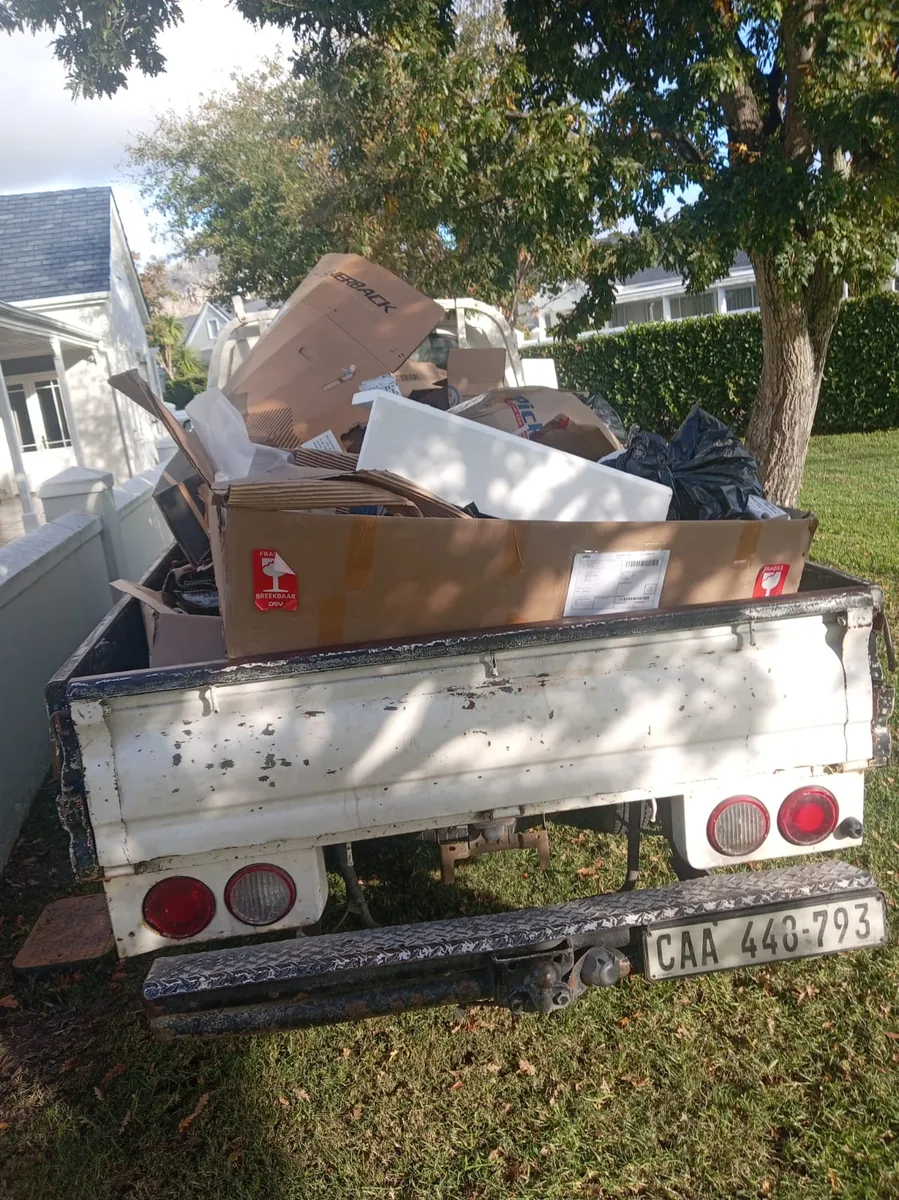
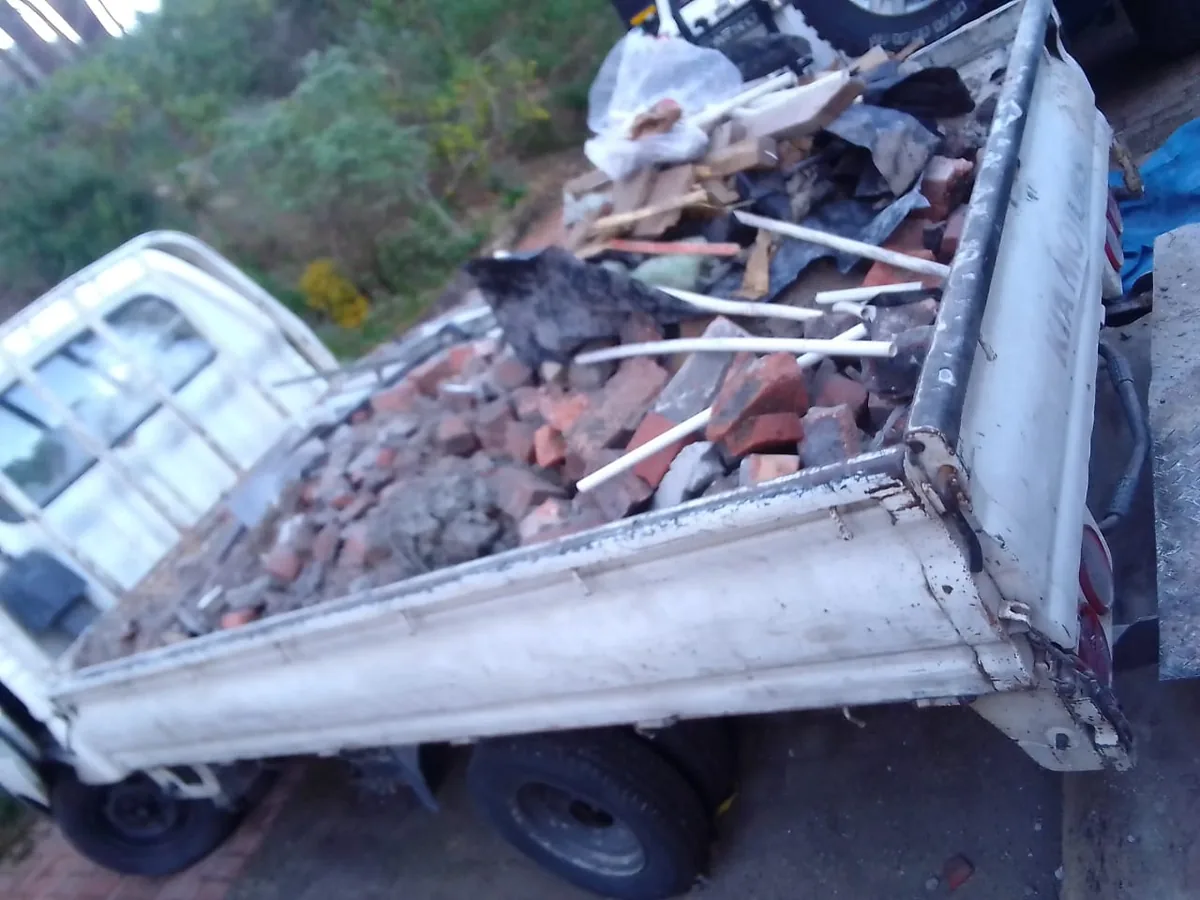
Once the permit is in, the checks are done and the structure is down, the debris is the straightforward part. It is heavy, dusty work, and clearing demolition debris across Cape Town comes down to the same three things every time: load the masonry, keep the streams apart, and take each one somewhere licensed to receive it.
Structure already down? Send a photo of the heap and your suburb, say what is in it, and you will get a figure for clearing it.
Frequently asked questions
What are construction and demolition wastes?
In Cape Town's by-law they are "building waste": rubble, earth, wood and rock displaced by construction, alteration, repair or demolition. Garden waste and hazardous waste are excluded and follow their own routes.
How do you calculate demolition waste?
Measure the loose heap, not the standing structure. Broken material bulks up and takes more space than it did as a wall, so length × width × height of the heap is the honest starting figure.
How can demolition waste be recycled?
Clean masonry and concrete can go to a licensed crushing plant, one of the destinations the by-law names. Whole bricks and sound timber can be salvaged for reuse. Keeping the heaps separate is what makes either possible.
How do you get rid of rubble?
Take it, or have it taken, to a licensed crushing plant, landfill or building waste facility. It may not be stored in the City's residential bins, and the by-law prohibits dumping it on a street, road or vacant erf.
How do you get rid of large amounts of waste?
Sort it by stream first, then size it from photos and rough dimensions. A large demolition load is a truck job in several trips, with a weighbridge ticket kept from each one.
What does rubble removal cost in Cape Town?
It depends on volume, what is mixed into the load and how close a truck can park. A photo of the heap and your suburb are enough to get a firm figure rather than a guess.
Keep reading

Bulky Waste Collection Cape Town
Cape Town has no bulky waste round. The City collects what fits in your wheelie bin, and everything larger is yours to move — so the real question is whether a skip or a one-off collection suits the size of the load you are actually looking at.
Mattress & Furniture Removal Cape Town
A mattress is the one thing in a house that nobody has a plan for. Here's how mattress and old furniture removal actually works in Cape Town — the municipal rules, who takes a donation, and when a paid collection is the sensible answer.
Commercial Waste Collection Cape Town
A guide to commercial waste collection in Cape Town — the by-law that keeps trade waste off the municipal kerbside, once-off vs scheduled pickups, and what offices, shops and body corporates actually generate.