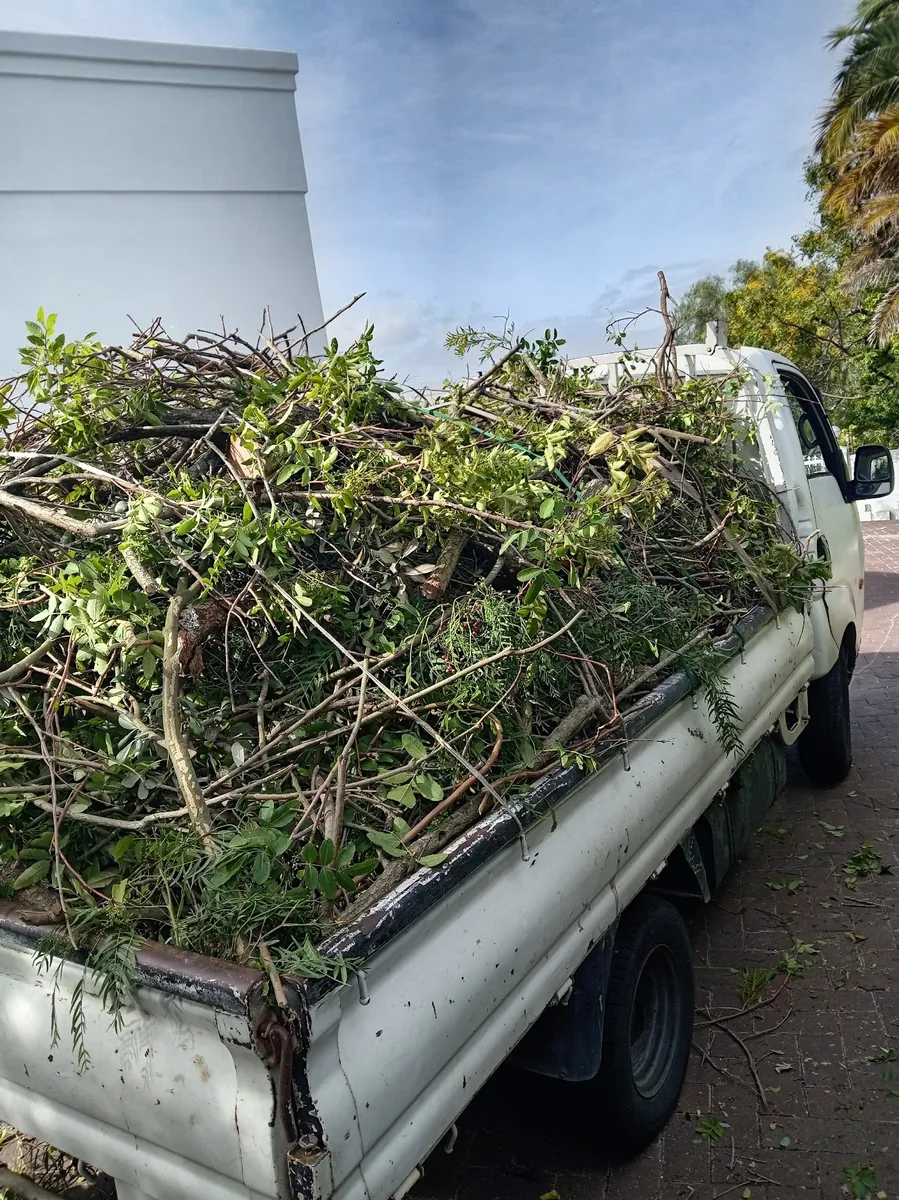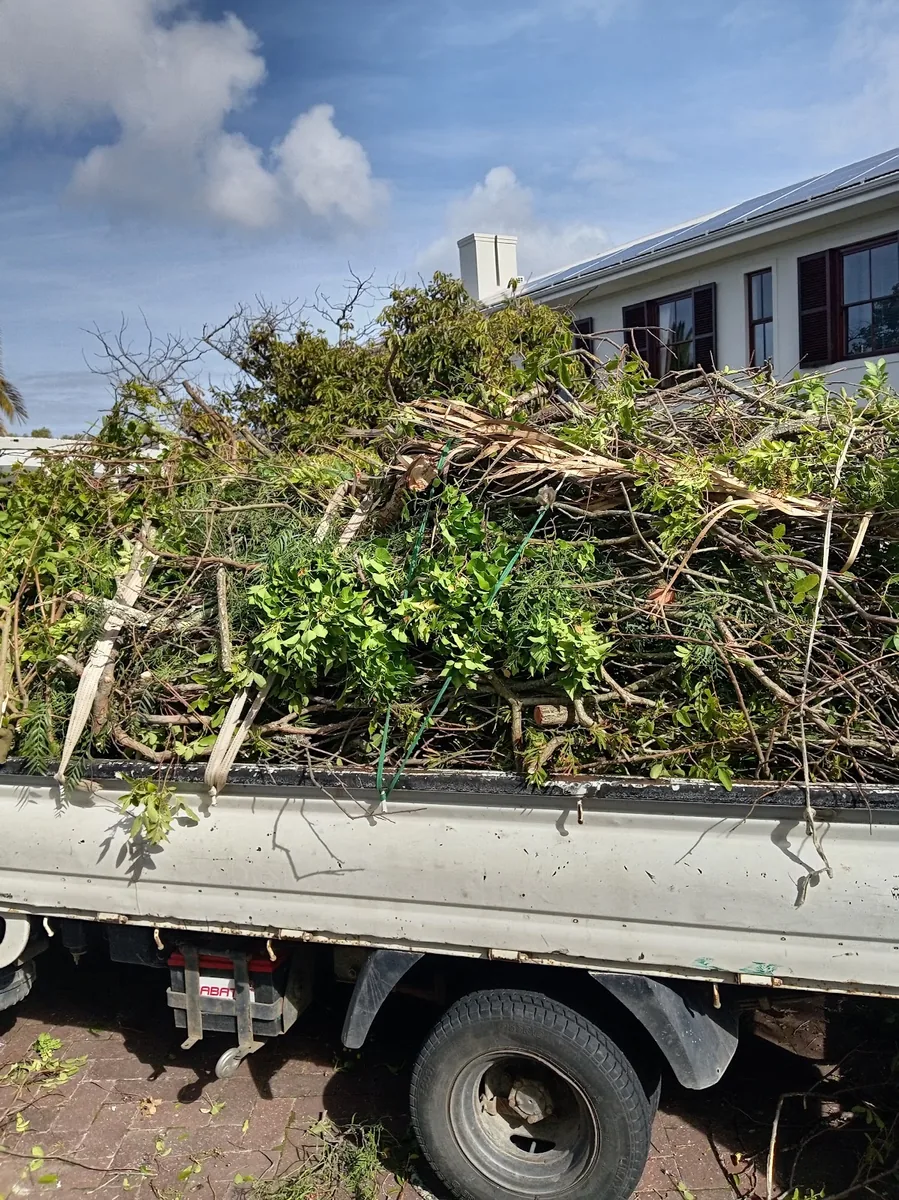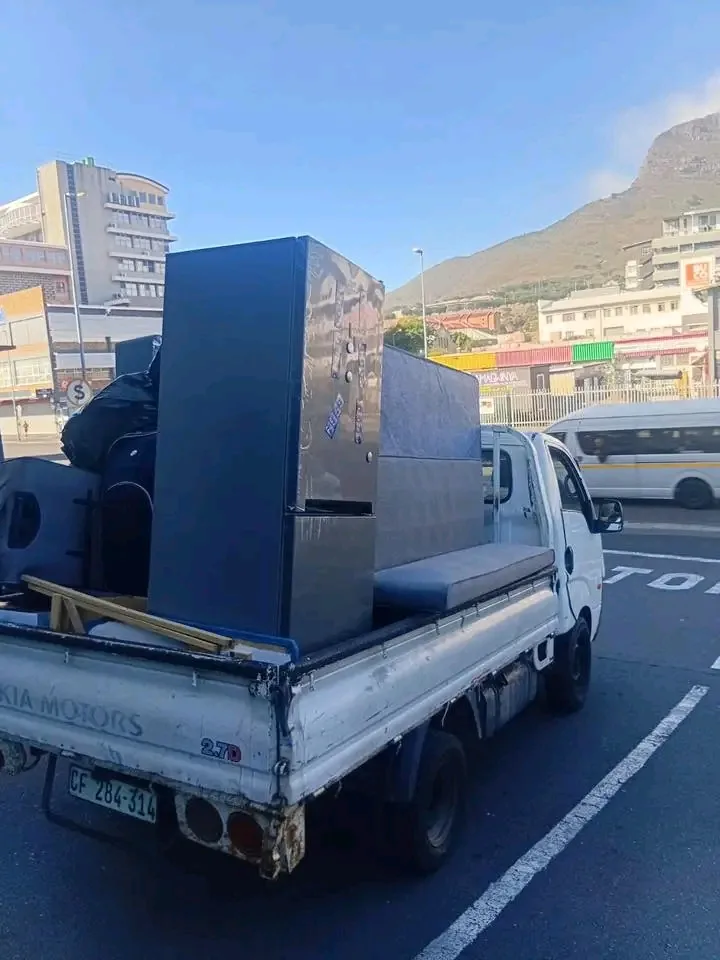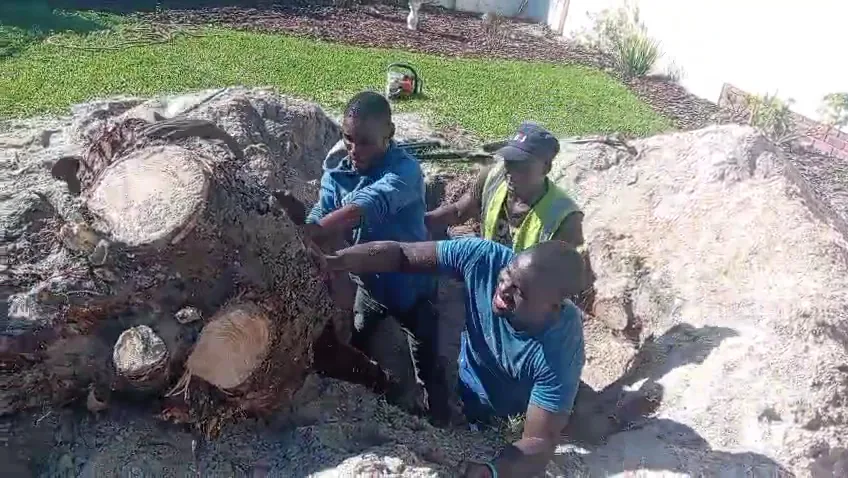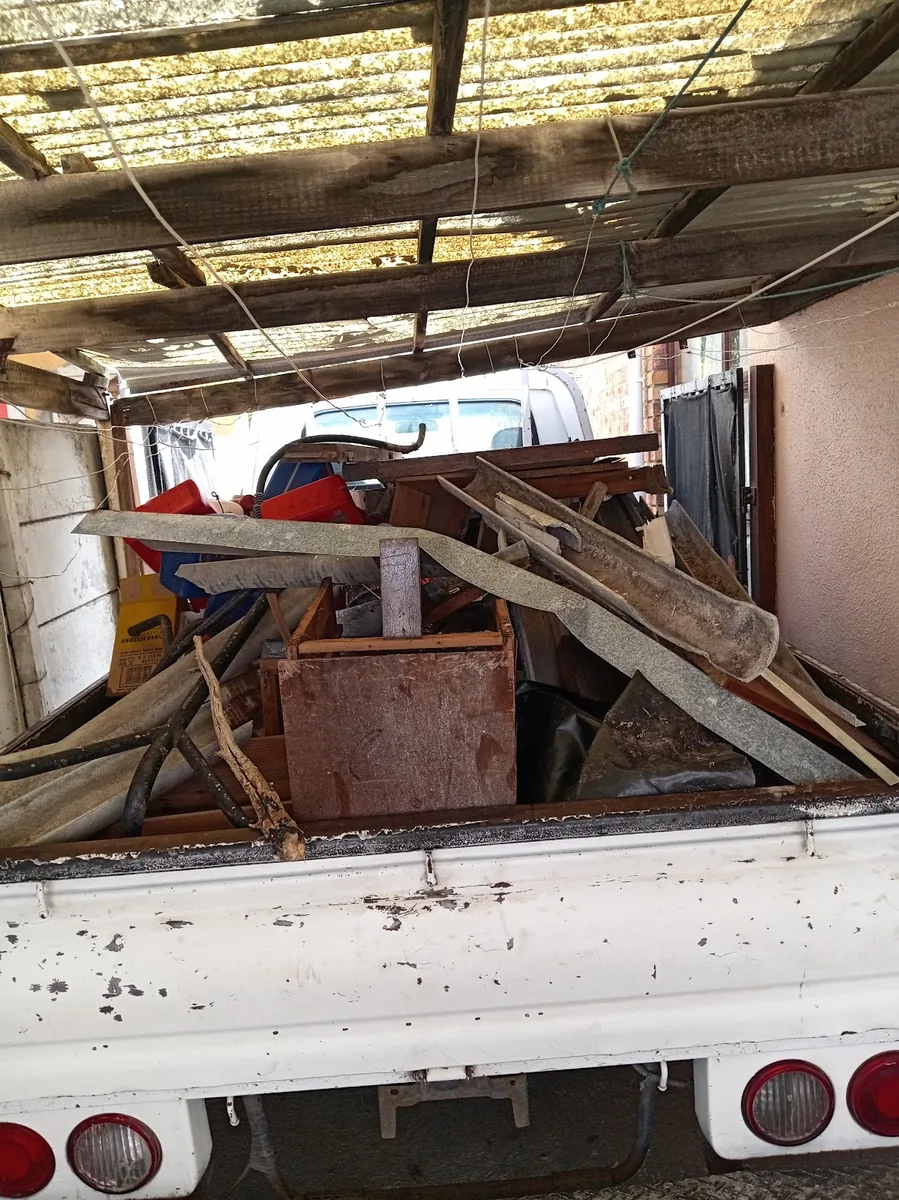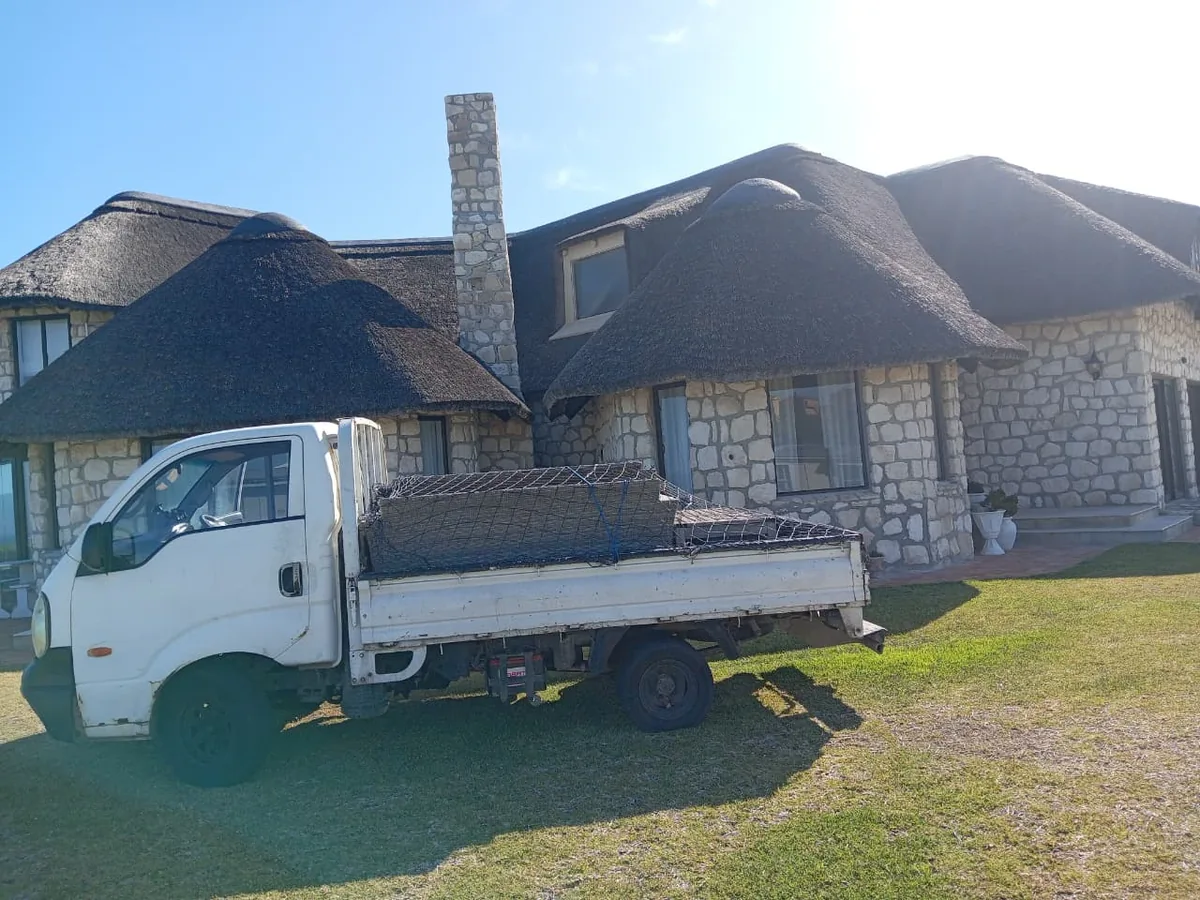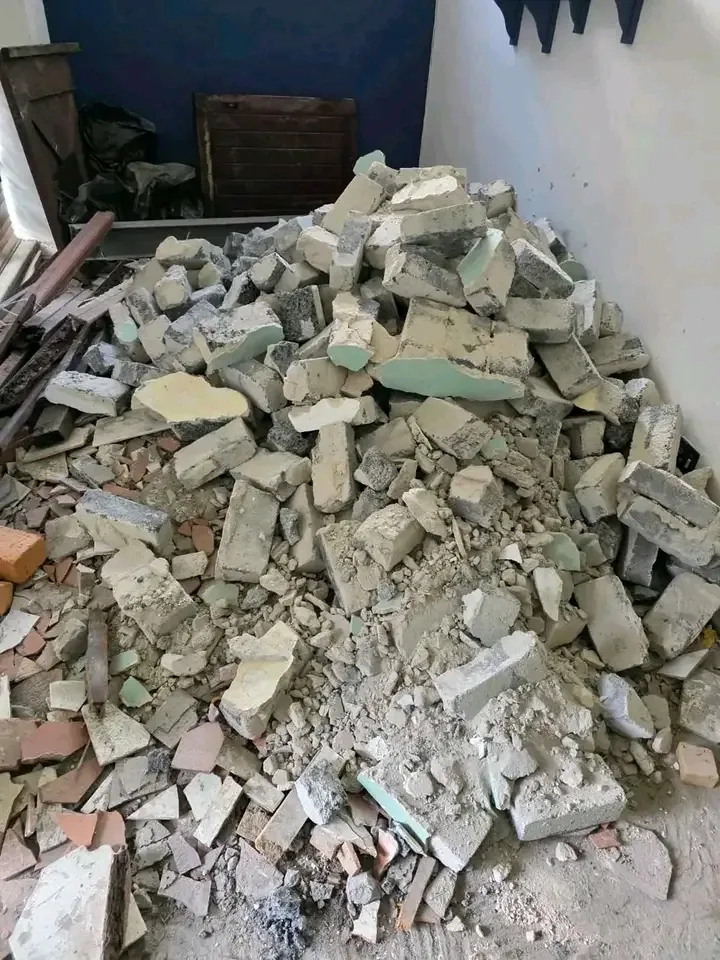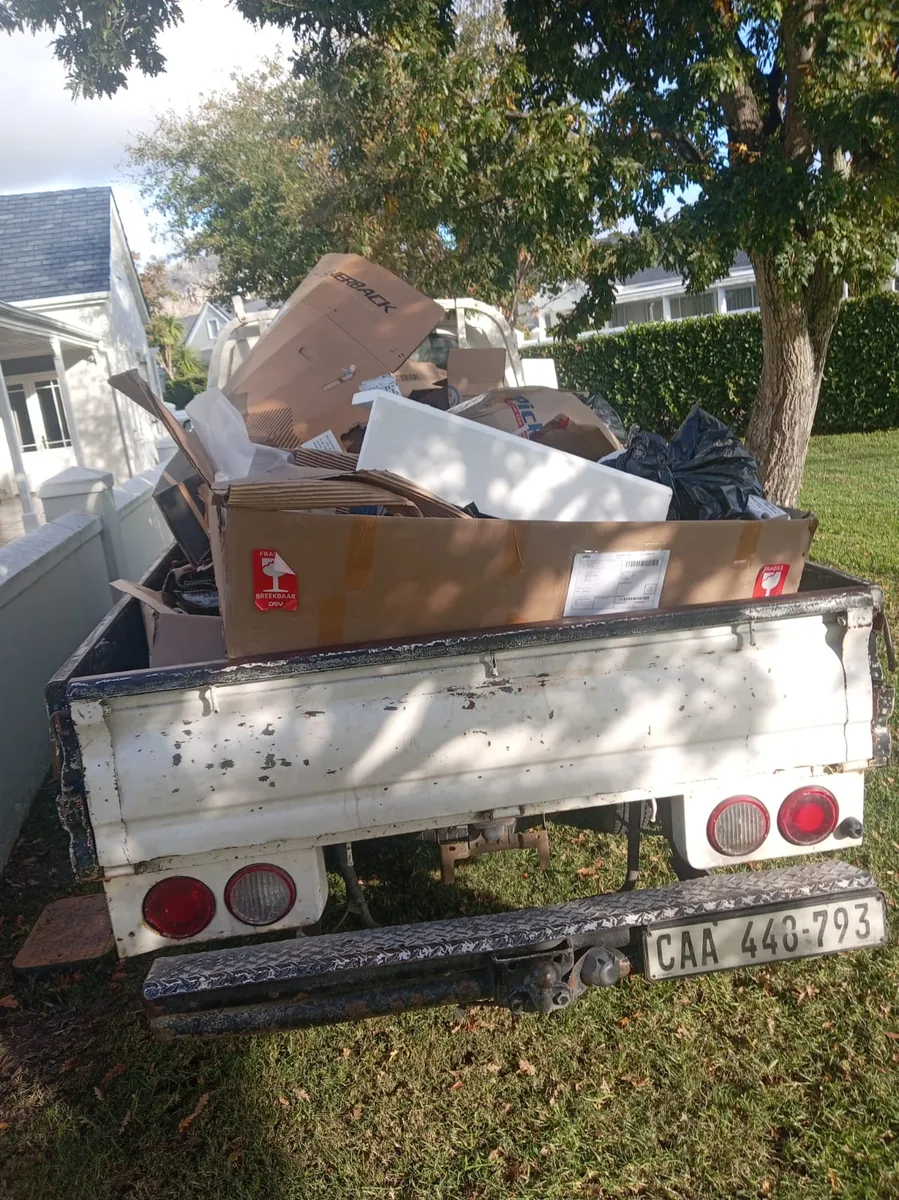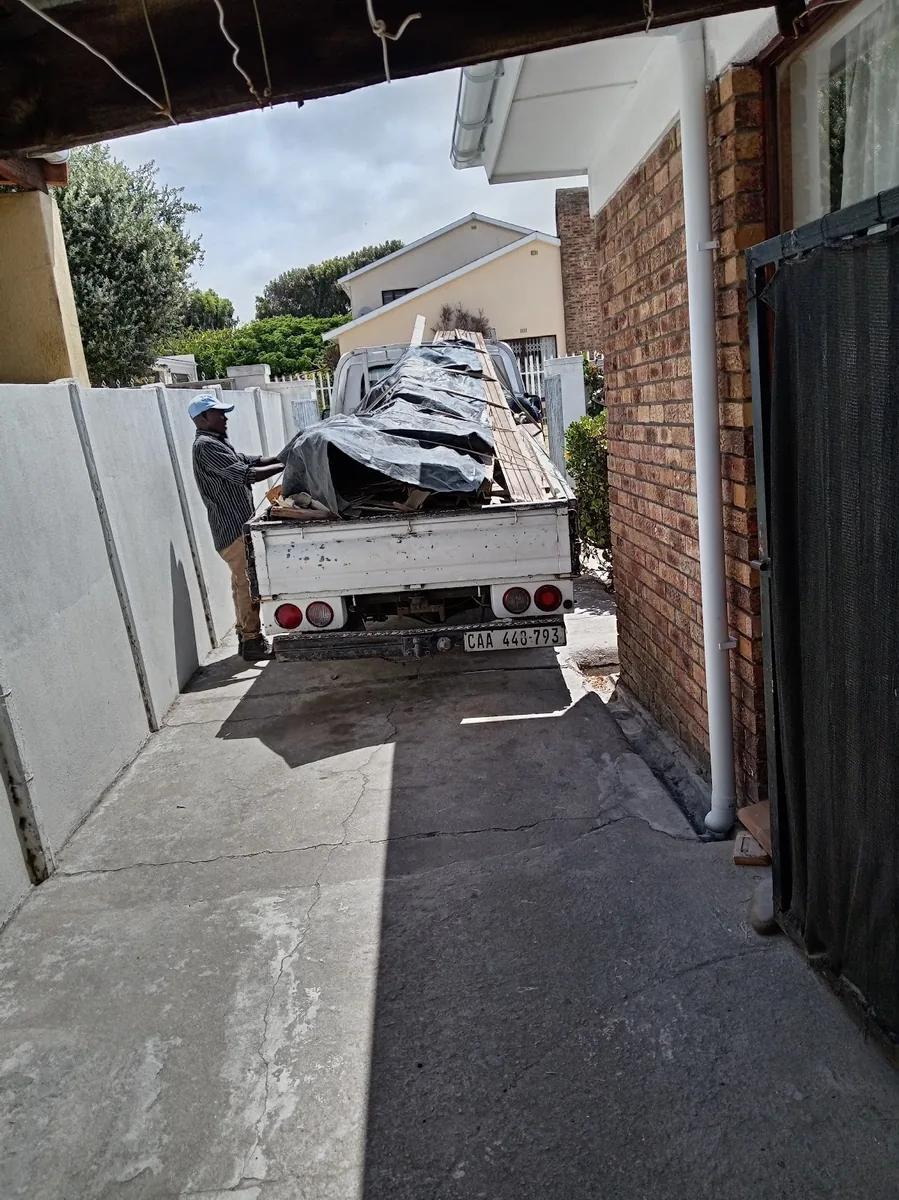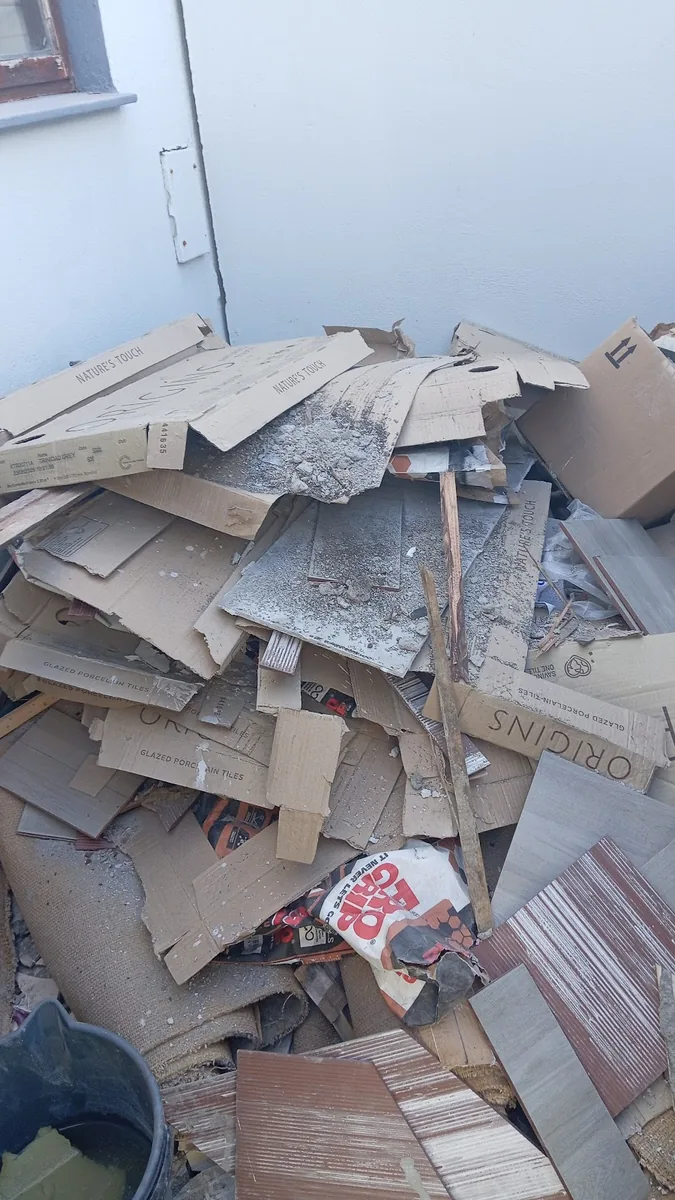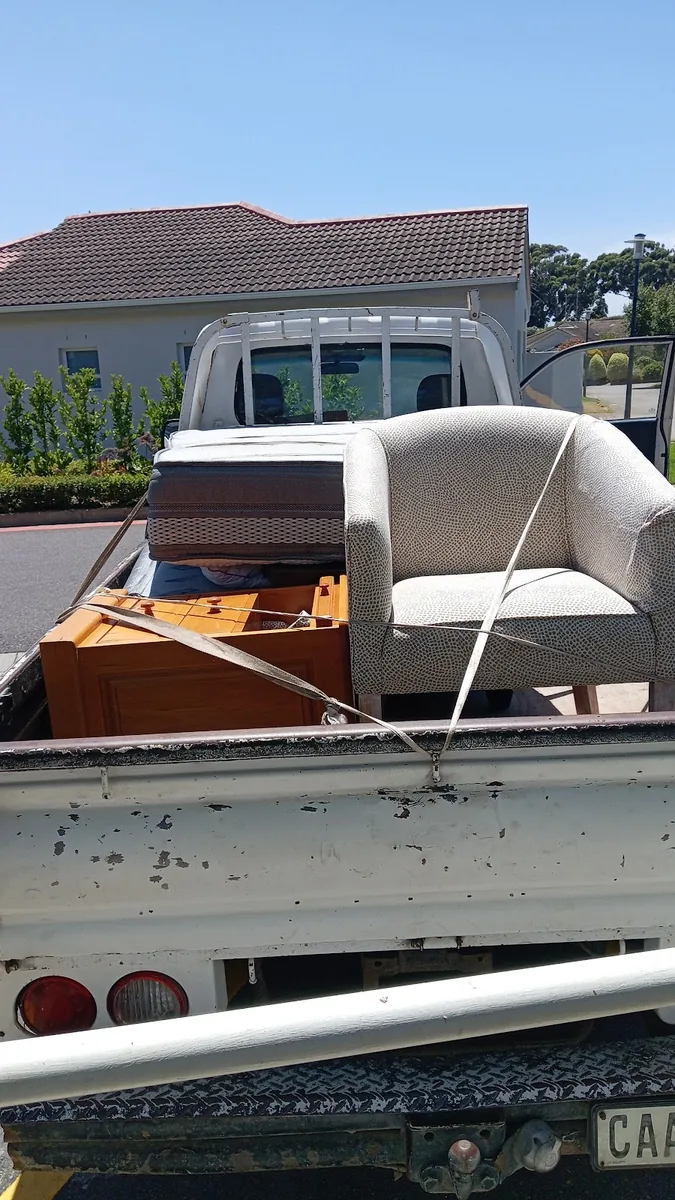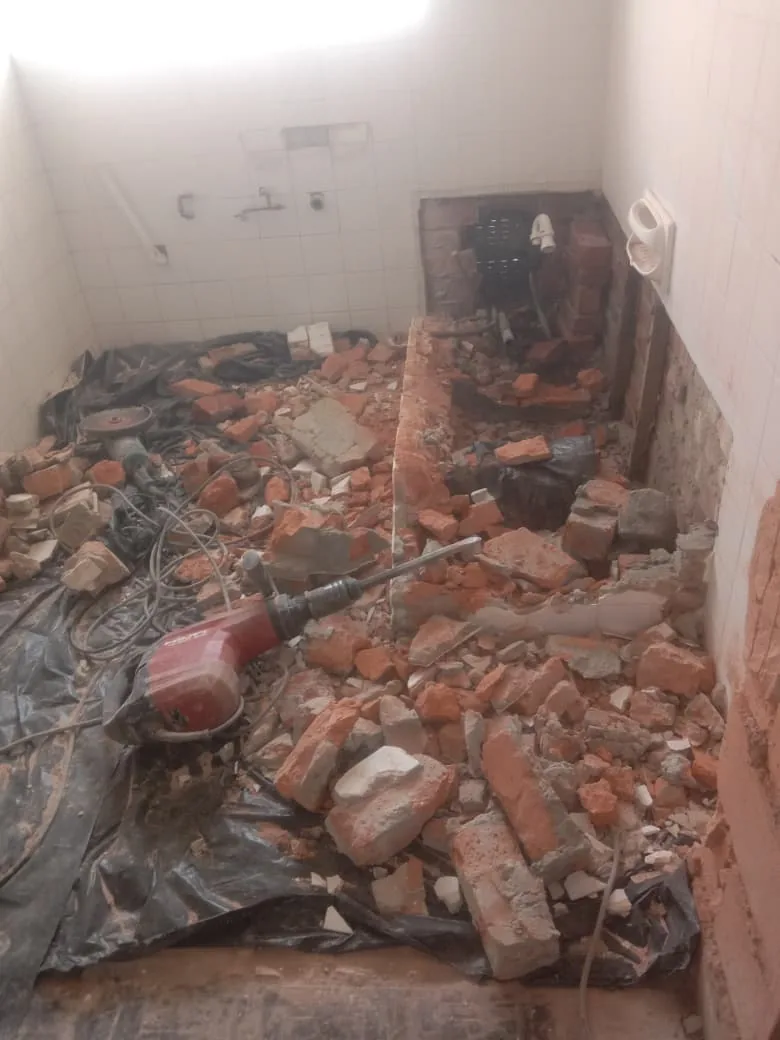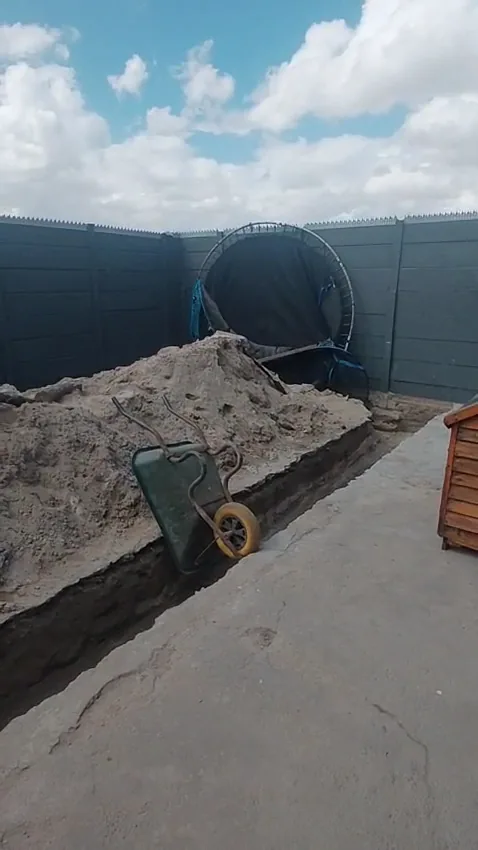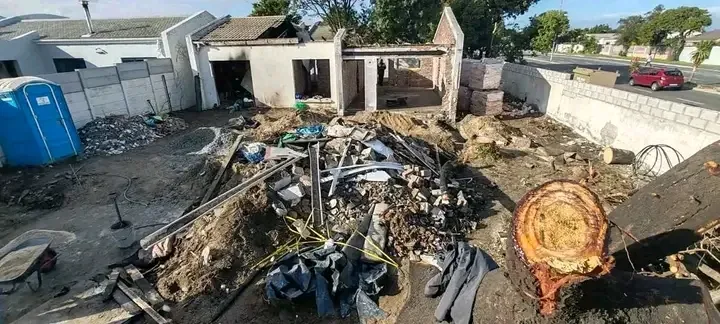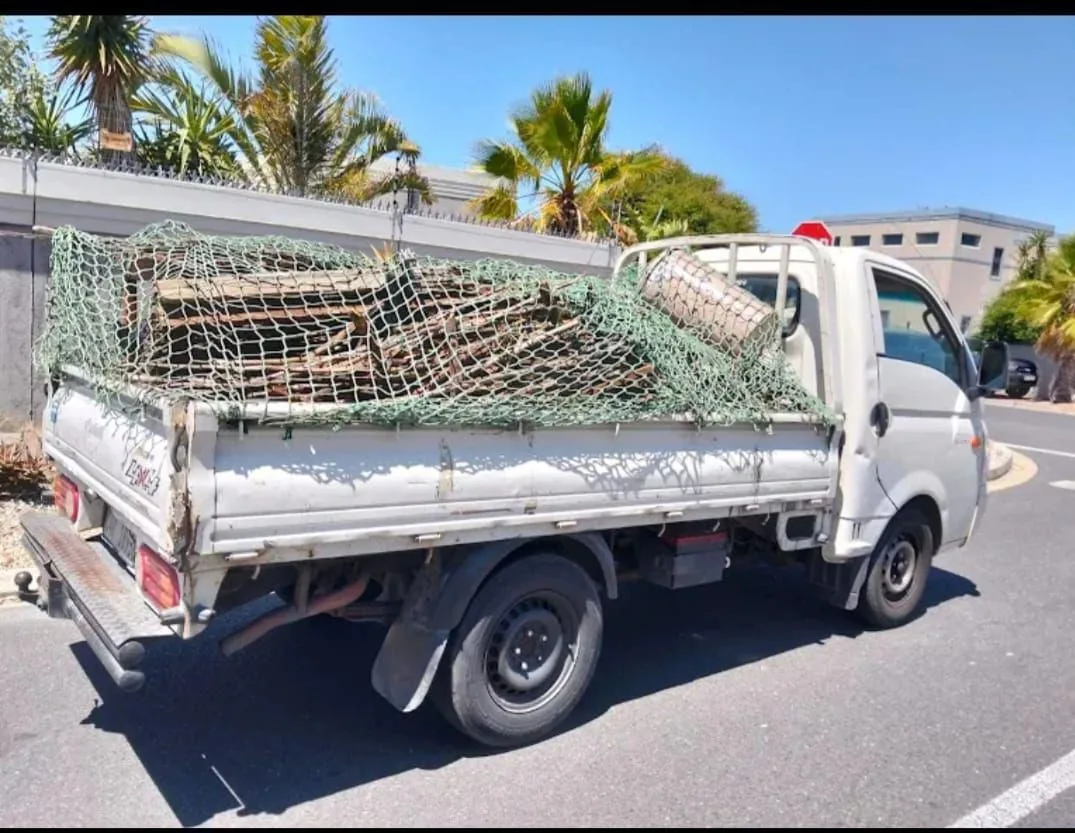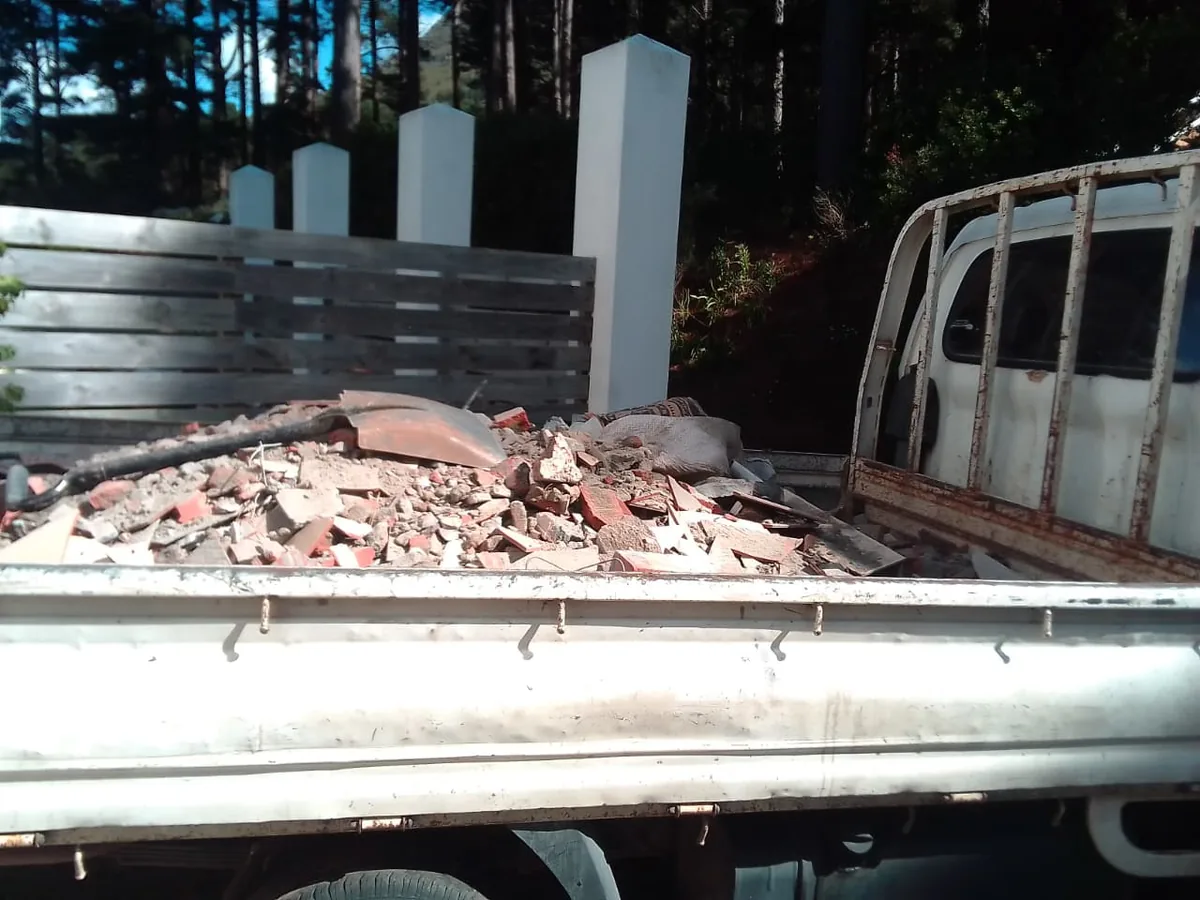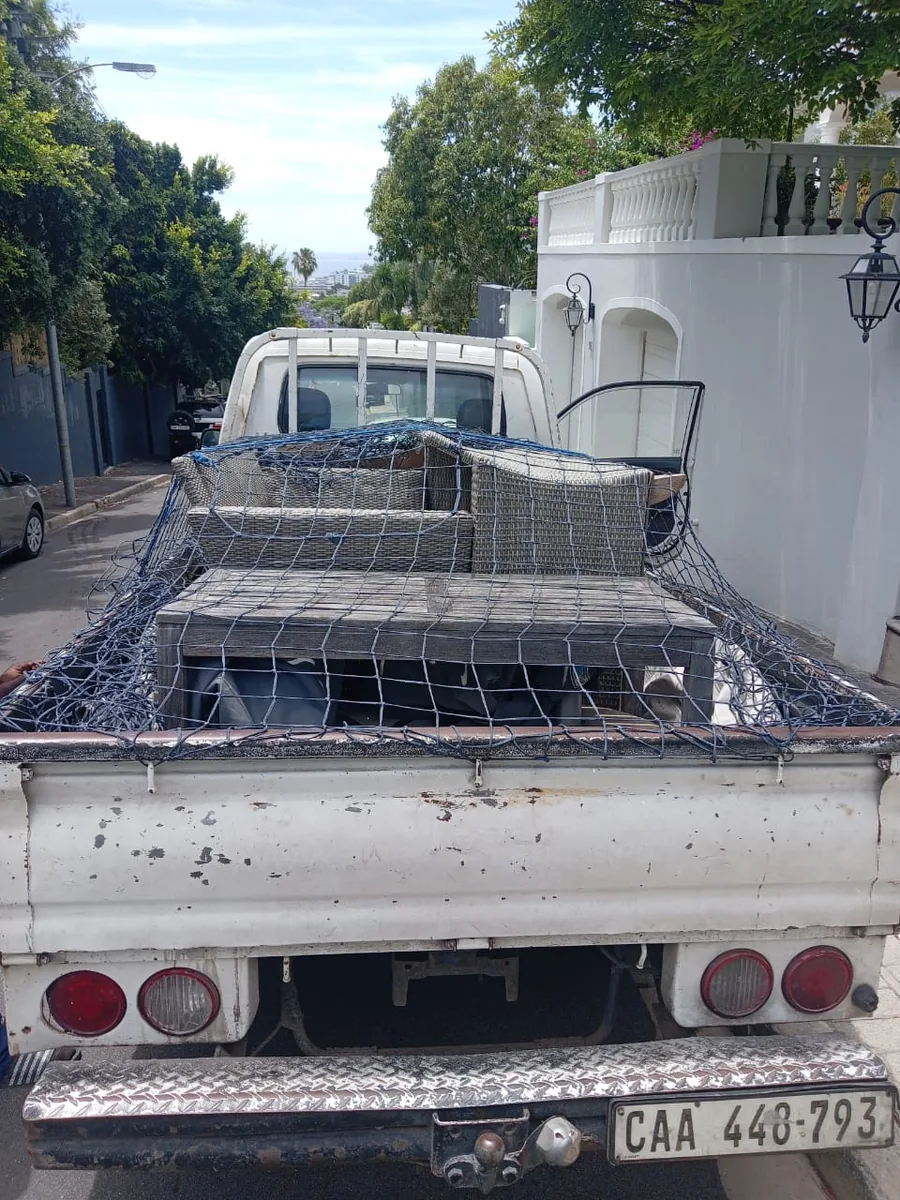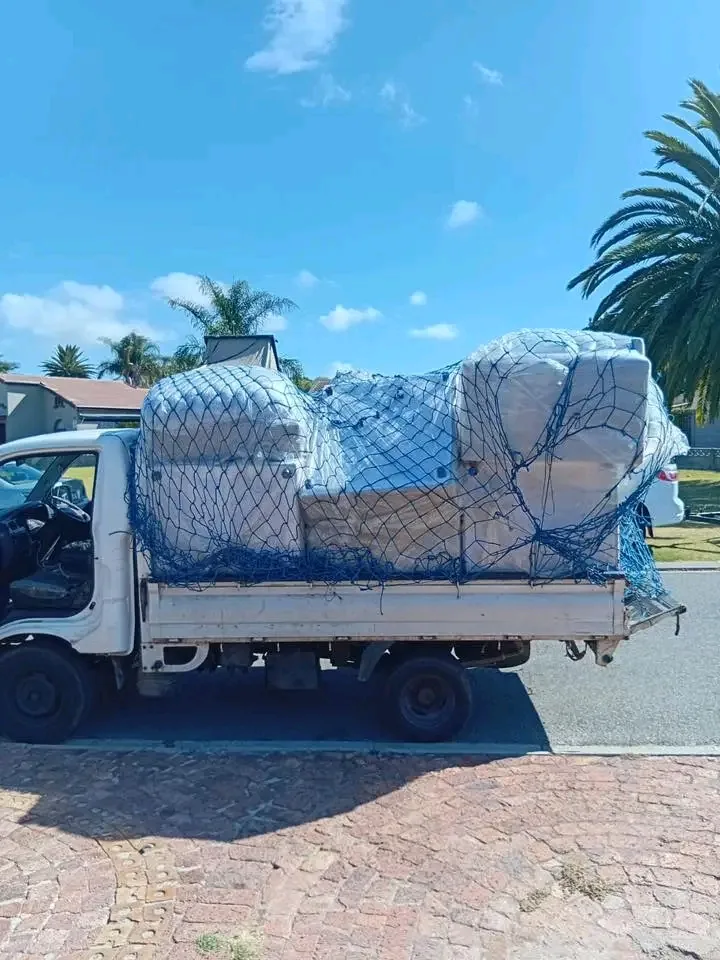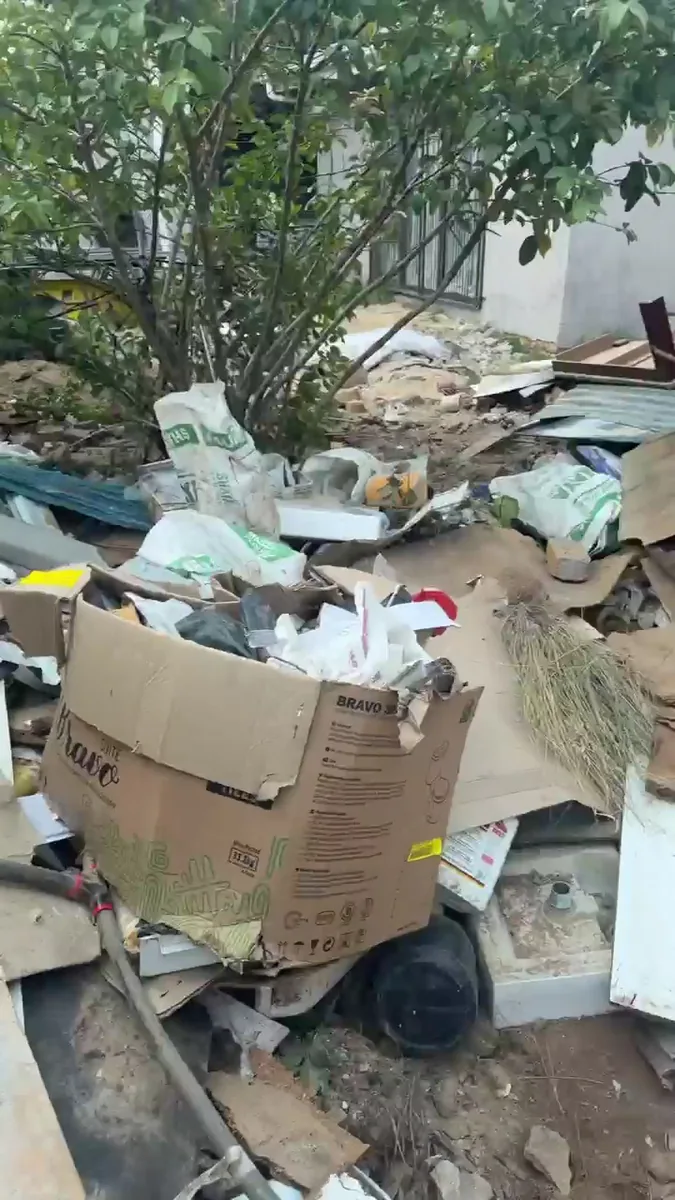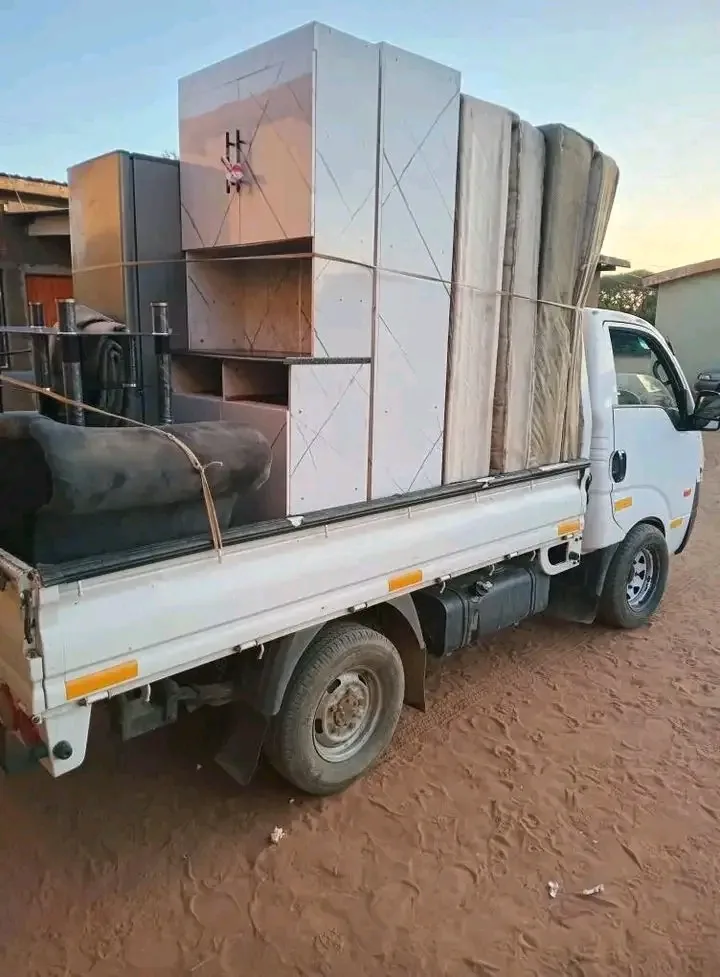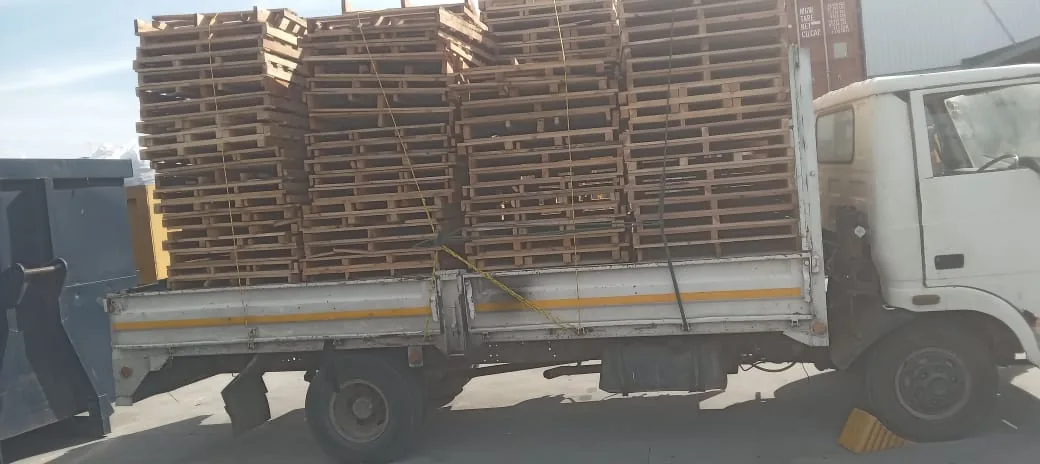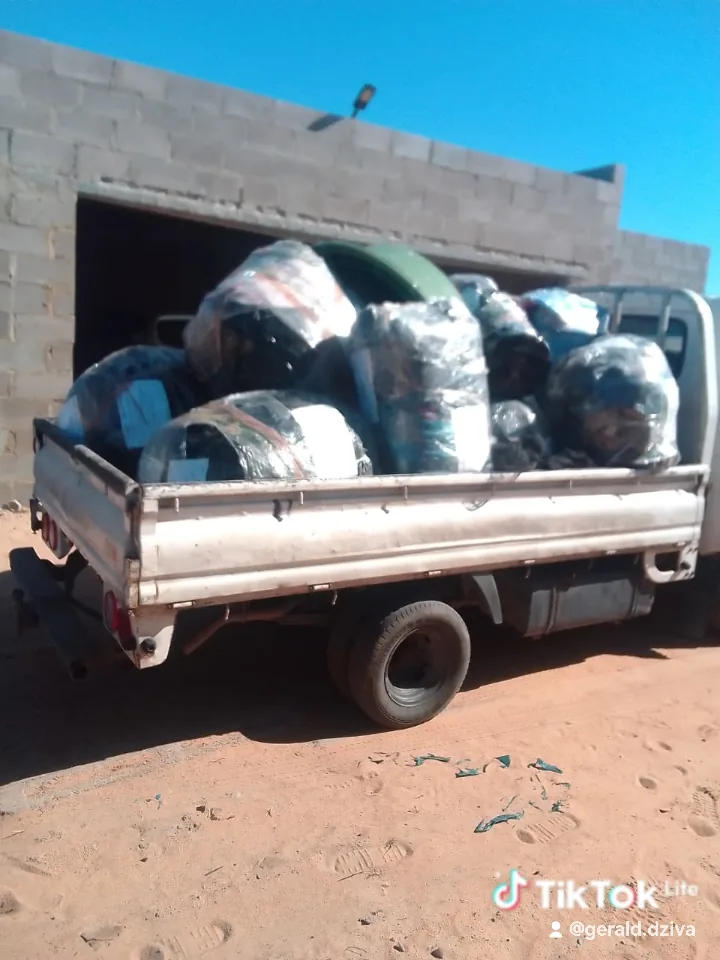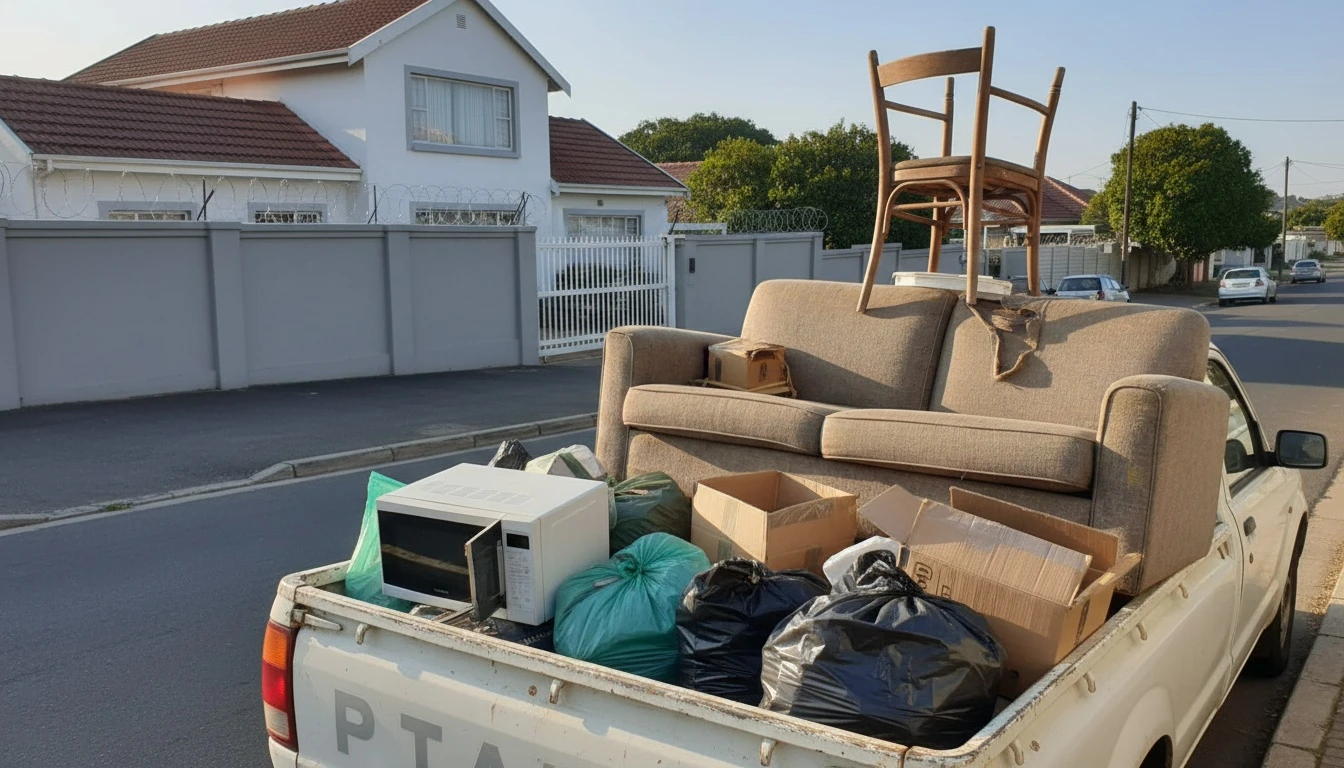
Junk removal in Cape Town sits in a quiet gap that almost nobody explains straight. It is not the City's weekly wheelie-bin pickup. It is not a builder's rubble collection. It is the mixed pile that piles up when a parent moves into care, a tenant leaves a flat full, a garage finally gets emptied, or a renovation ends with a heap of furniture, broken appliances and bagged junk that the municipality will not touch. This guide is the honest 2026 version of how our junk removal service in Cape Town works — what we actually charge, what we can and can't legally take with us, and where every cubic metre ends up.
Key takeaways
- Our own 2026 bands: a full bakkie load (4–5m³) is R2,000–R2,800 all-in, a 6m³ load R2,800–R3,800, and a 12m³ whole-house clearance R5,000–R7,500 — loading, transport, tipping and VAT included in every figure.
- Asbestos, e-waste, paint and motor fuel cannot ride along in a junk-removal load. They have their own registered channels — and Vissershok and Coastal Park landfills will turn them away at the gate.
- The City of Cape Town will accept up to 1,500 kg (1.5 tons) of non-hazardous waste per private trip at any municipal drop-off, at no charge. Below that volume, self-hauling is genuinely cheaper than a crew.
- The four questions that catch a bad quote: Is VAT included? Is the tipping fee included? Can you do a photo quote? What's your scope-creep policy?
What "junk removal" actually means in Cape Town
The word "junk" gets thrown around for everything from a single broken microwave to a whole estate worth of furniture. For pricing and disposal purposes, the SA market splits it into four streams, and the difference matters because each one has a different home:
- General household junk — old furniture, mattresses, broken electronics that aren't e-waste-classified, mixed boxes, kitchen and shed contents. Crew loads it, takes it to a general-waste landfill (Vissershok or Coastal Park).
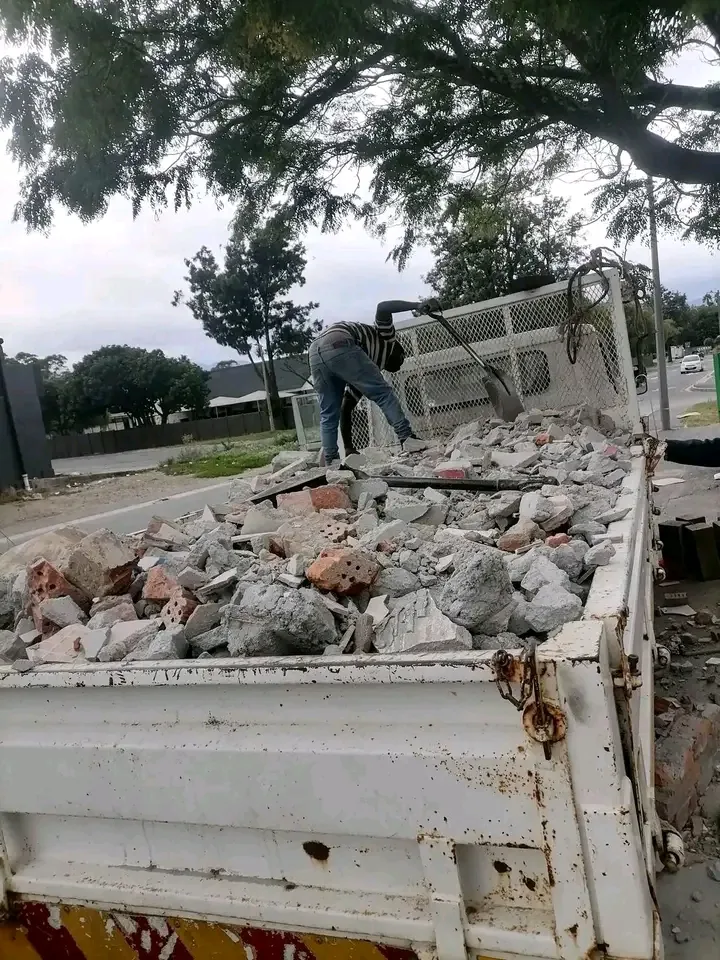
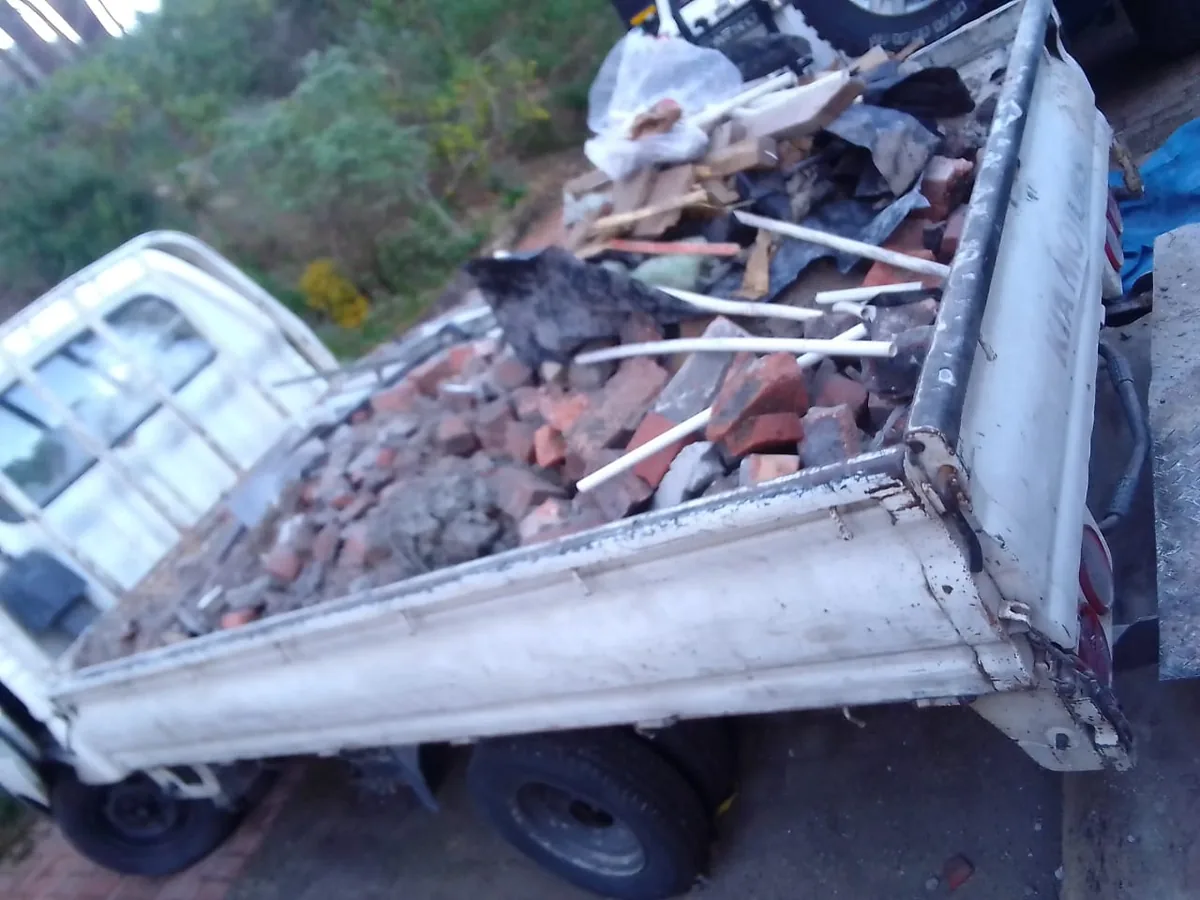
- Builders' rubble — concrete, brick, tile, sand, plasterboard. Different stream, separate dump fee, separate truck. If you've got more rubble than junk, see our per-cubic-metre rubble pricing breakdown — the cost structure is genuinely different.
- Garden refuse — branches, lawn clippings, compostable green waste. Goes to a chipper, not a landfill.
- Hazardous / regulated waste — asbestos, e-waste, paint, solvents, oils, batteries. Not legal to put in any of the above. Has to go through its own registered route.
A good junk-removal quote starts with sorting the pile into those four buckets. If a crew shows up and tells you they'll "take it all" without asking, the excess is going somewhere unhelpful — illegal dumping fines in Cape Town run from R500 to R10,000 and can include vehicle impoundment.
Real 2026 prices — what a junk removal load actually costs in Cape Town
These are our own 2026 bands for junk collections across Cape Town, with loading, transport, tipping and VAT included in every figure. Treat them as a planning guide; a firm number always comes from a photo quote or a site visit, because access is the second biggest cost driver after volume.
| Load size | Typical contents | 2026 price (incl. VAT) |
|---|---|---|
| Small load (≤1m³) | A single appliance, a couple of bags, one chair | R600 – R900 |
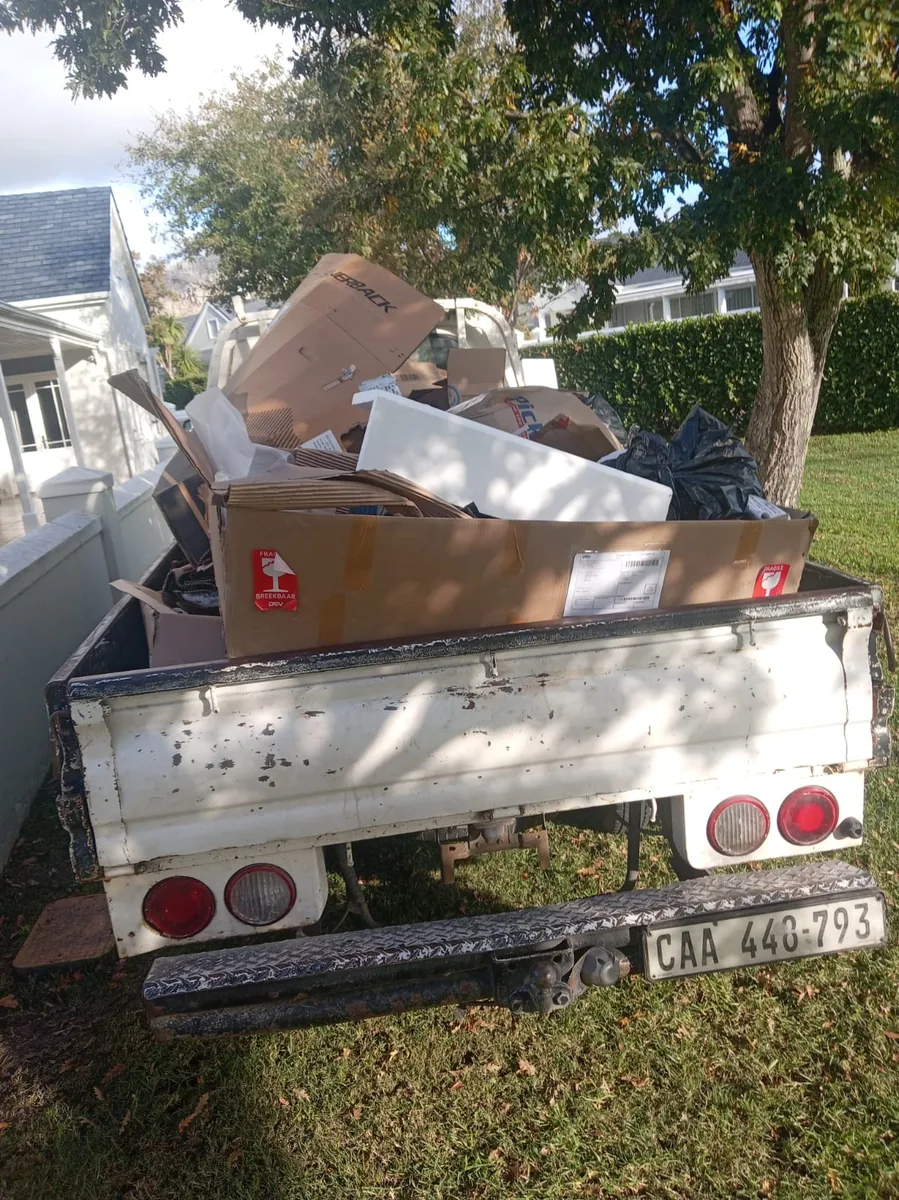
| Half-bakkie (2–3m³) | Garage corner, single-room clear-out | R1,200 – R1,800 |
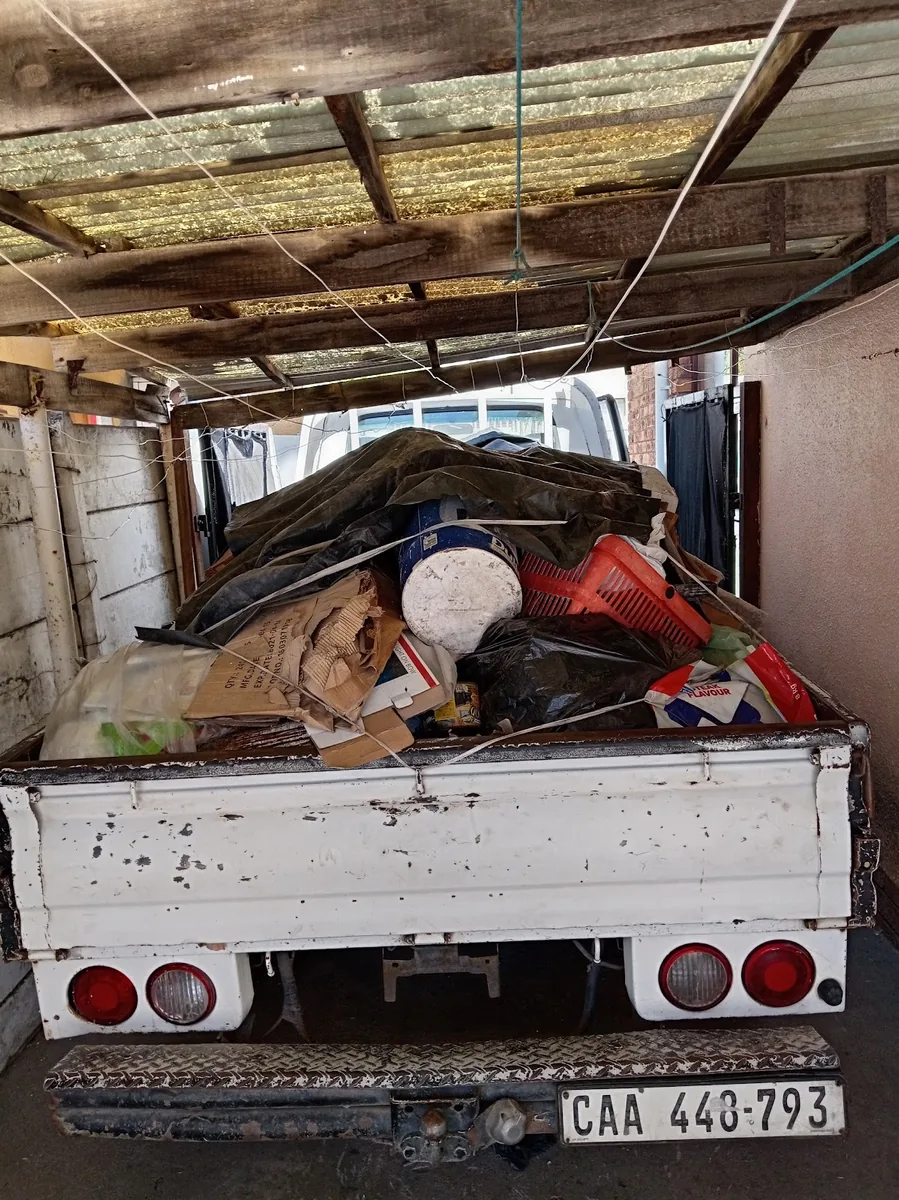
| Full bakkie (4–5m³) | Garage, garden shed, post-renovation pile | R2,000 – R2,800 |
| Midi-skip volume (6m³) | Two-bedroom flat clearance, mid-size estate | R2,800 – R3,800 |
| Maxi-skip volume (12m³) | Full house, hoarder clean, large estate | R5,000 – R7,500 |
Every figure above is a collection price: we bring a crew, load it and haul it away. The skip names in the last two rows are volume comparisons only, not skip hire, which is a separate service on its own price list. Same-day work is not a separate line item: a booking flexible to "any weekday next week" simply comes in 10 to 15% cheaper than a same-day demand.
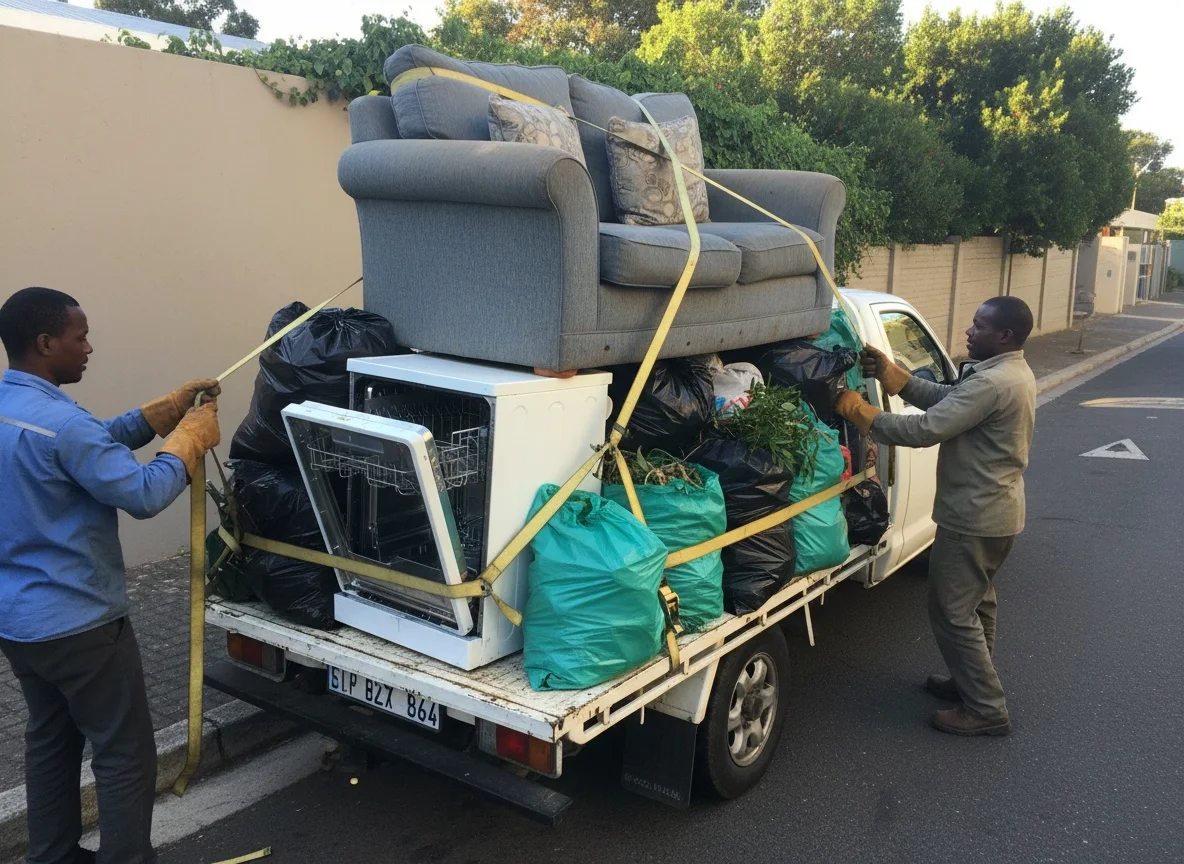
Five things shift the number inside those bands:
- Volume. The crew estimates in cubic metres, not kilograms. A two-seater couch is roughly 1m³; a single-drawer chest is ~0.3m³; a 240L wheelie bin is 0.24m³ — which is the line at which an item becomes bulky waste the City won't collect. Pile a load mentally before the photo quote.
- Suburb. Atlantic Seaboard postcodes carry a R200–R400 access surcharge because of parking and body-corporate access. The outer belt — Constantia, Hout Bay, Noordhoek and the deep Helderberg — adds R150–R300 for the travel. Southern Suburbs are usually cleanest because the routes are quickest to Coastal Park.
- Access. Truck-to-pile distance, stairs, narrow side passages, sectional-title estate rules, security cameras. A pile staged at the kerb loads in a quarter of the time of one buried in the garden — and quotes track time more than weight.
- Waste mix. Pure household junk tips cheaply at a general landfill. If we have to drop garden refuse at a chipper, take e-waste to a registered handler, and run rubble to Vissershok, that's three stops on one job — and a mixed load quotes nearer the top of its band than a single-stream one.
- Urgency. A booking flexible to "any weekday next week" comes in 10–15% cheaper than a same-day demand. Mid-week, mid-morning slots are the cheapest.
The five jobs we get called for most
Naming the job helps the quote land closer to the final invoice. These are the five jobs that fill our diary in Cape Town:
- Deceased estate clearance — almost always a full-house job, often with executors organising remotely from out of town. Photo quotes are essential here; site visits add 24–48 hours.
- Post-renovation cleanup — the builder leaves rubble, the owner is left with off-cuts, broken cabinetry, packaging foam and the old fittings. Mixed stream; usually a single 6m³ tipper load.
- Garage, loft and storeroom cleanouts — the most common residential job. Usually 2–3m³, mostly bagged.
- Tenant move-out clean — a deposit hinges on the place being empty. Half-bakkie to full-bakkie, often booked at short notice.
- Hoarder cleanouts — sensitive, time-consuming, and the only job where we always insist on a site visit before the quote. Often paired with a deep cleaning service.
What you can't legally put in a junk removal load
Four categories of waste are off-limits to a general crew — not because they're unpleasant, but because moving them through general-waste channels is a regulatory offence. Any crew that quietly takes them is breaking the law and the homeowner can be co-liable as the "holder of waste" under South Africa's National Environmental Management: Waste Act (Act 59 of 2008). The four:
Asbestos
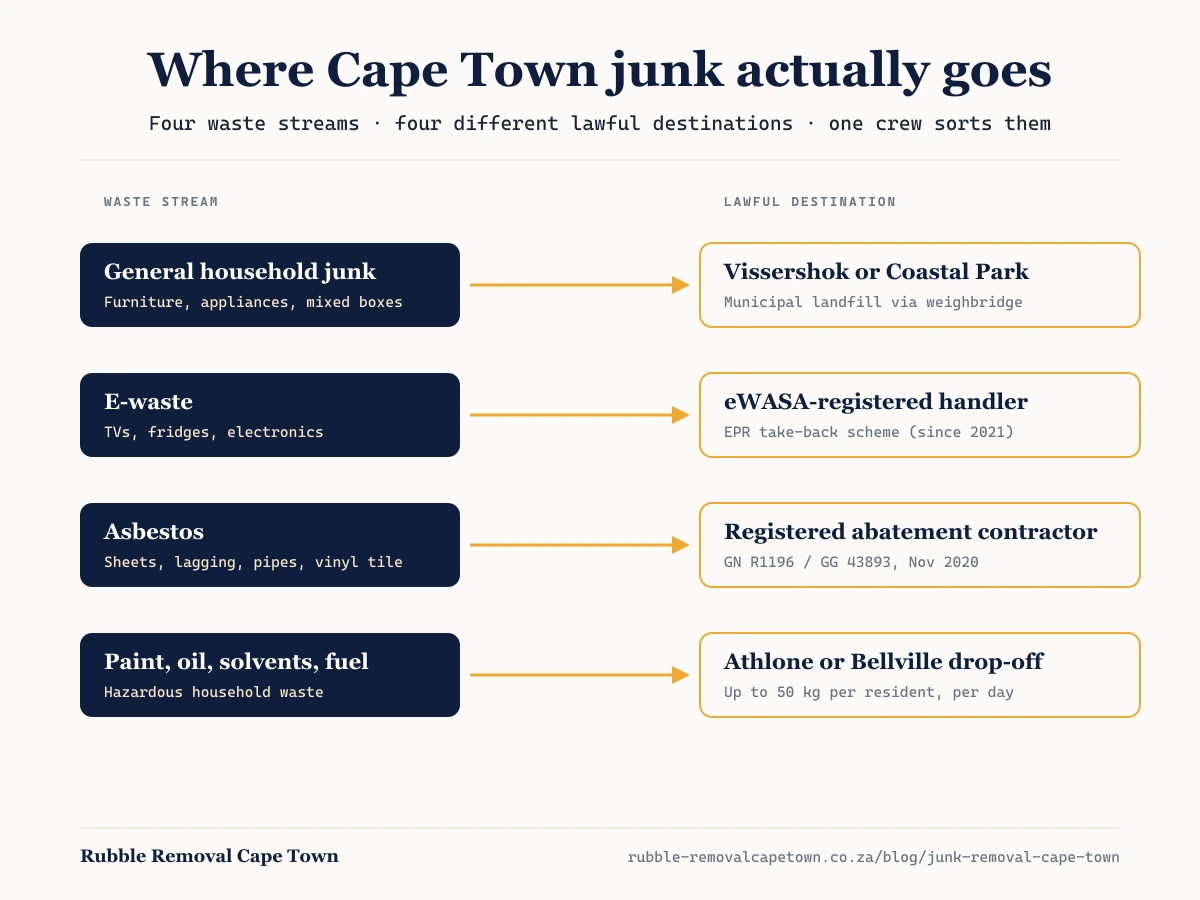
Sheets, lagging, pipes, vinyl tiles backed with asbestos. The Asbestos Abatement Regulations, 2020 (GN R1196 in GG 43893) require a registered contractor, an approved inspection authority, and disposal at a permitted hazardous-waste facility. A general junk crew cannot do this leg.
E-waste
TVs, computers, monitors, fridges, geysers, microwaves, electronics. Under SA's Extended Producer Responsibility regulations (NEMWA s.18, in force since 5 May 2021) e-waste must go through registered take-back schemes. Vissershok and Coastal Park both refuse it at the gate.
Paint, solvents, motor oil, fuel
The City classifies these as hazardous household waste. Athlone and Bellville hazardous-waste drop-offs accept up to 50 kg per resident per day at no charge — the correct lawful route.
Medical waste, large batteries, gas cylinders
Each has its own route — pharmaceutical take-back schemes, battery recyclers, gas-cylinder return. Ask the crew where they're going if any of these are in the pile, and don't accept "we'll handle it" without naming the facility.
Where your junk actually goes
Two facilities take the bulk of Cape Town's general waste, with recyclers, registered e-waste handlers and licensed asbestos contractors handling the streams that can't go to landfill. Four routes for four streams — visualised:
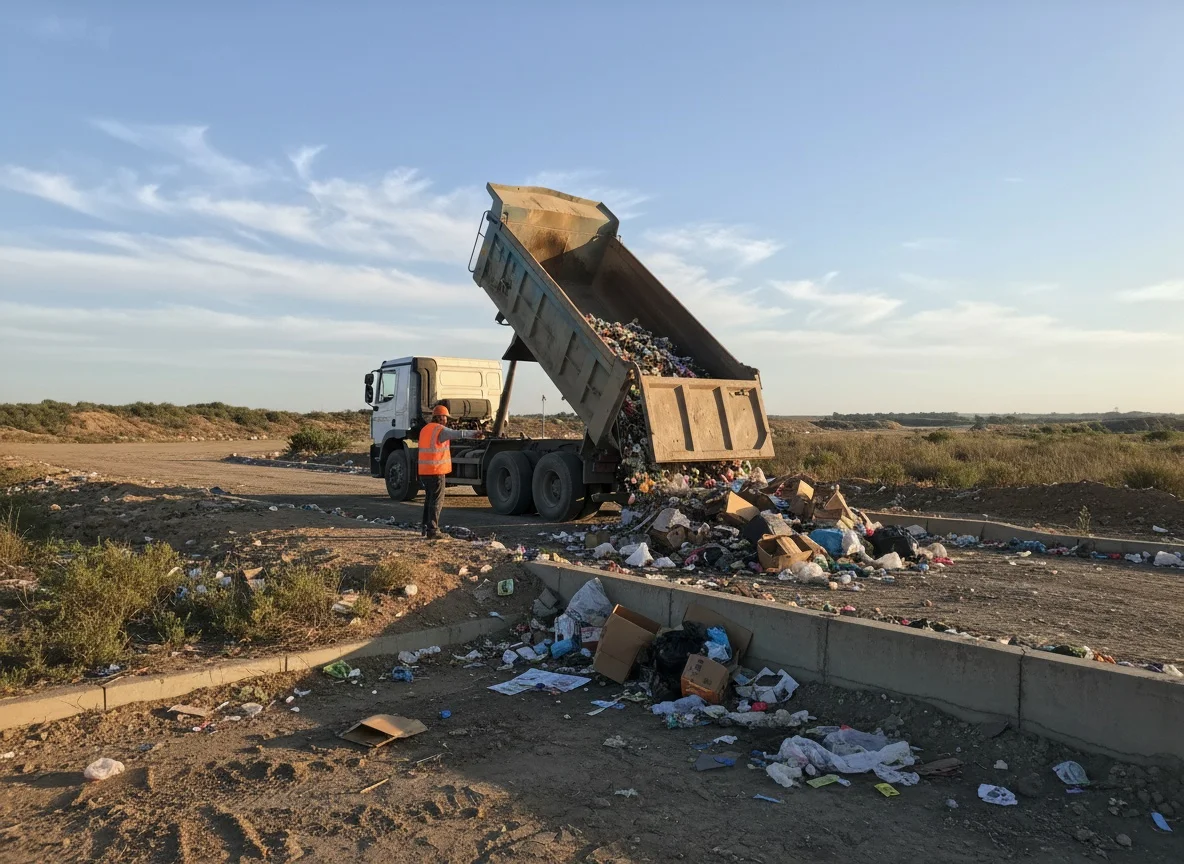
- Vissershok Landfill — off the N7 on Frankdale Road near Table View. Accepts general waste, builders' rubble, clean garden waste, motor oil, garage waste and low- to medium-hazardous waste. Refuses e-waste. The primary destination for Northern Suburbs loads.
- Coastal Park Landfill — Baden Powell Drive, Muizenberg. Same general-waste accept list as Vissershok, also refuses e-waste. Default destination for Southern Suburbs and Atlantic Seaboard loads.
- Materials recovery facilities — paper, cardboard, plastic, glass and metal sorted out of the load before the tip. Both landfills above publish their recyclable streams on their site pages.
Why this matters for a homeowner: South Africa's National Waste Management Strategy sets a target of diverting 40% of waste away from landfill within five years through reuse, recycling, recovery and alternative treatment. A crew that sorts before it tips is doing the work that target depends on. A crew that side-tips on a vacant lot is the reason the target slips. The honest difference is visible in the weighbridge tickets — ask for one if you're sceptical.
When the City of Cape Town will take it for free
If your pile is small and you have a bakkie or a friend with one, you can bypass the crew entirely. The City of Cape Town accepts up to 1,500 kg (1.5 tons) of non-hazardous waste per private trip at any municipal drop-off, at no charge. For most homeowners the break-even sits somewhere around 1.5m³ — below that, a self-haul costs less than a quoted collection.
Self-haul works when…
- You have a bakkie and the time to load it.
- The pile is under 1.5 tons / 1.5m³.
- Nothing in it is hazardous, e-waste or asbestos.
- The waste is bagged or boxed already.
Hire a crew when…
- The load exceeds 1.5 tons or one bakkie trip.
- Items need lifting, dismantling, or stairs.
- The pile is mixed — some streams need sorting.
- The job is part of an estate, move-out, or hoarder clean.
We say this openly because the small jobs aren't where we make our money. If a self-haul is genuinely cheaper for you, take it. When the pile is bigger than a bakkie or messier than one trip, that's where the services we cover start to make economic sense.
How to brief a junk removal company so the quote is accurate
A bad quote on paper turns into an angry conversation on the day. The four questions to ask before booking — and the way a good answer sounds:
- "Is VAT included in the quoted price?" SA VAT is 15% and unchanged for 2026 per SARS. A quote that excludes VAT is showing you 87% of the real number.
- "Is the tipping fee included?" Landfill weighbridge fees are a real cost — tipping runs the contractor anywhere from R0 for a free residential clean-rubble drop-off to R150 for a small commercial load at a paid landfill. It should never appear as a separate line on your invoice.
- "Can you do a photo quote?" Three phone photos — pile, access, parking — should be enough for a firm number for anything under 6m³. Crews that refuse photo quotes and demand a site visit for a small load are either inflating or wasting your morning.
- "What's your scope-creep policy?" The honest answer: if the pile is materially larger than the photos suggested, the crew tells you on arrival and you decide whether to top up the load. Crews that quietly add fees on the invoice are the reason this question exists.
When you're ready, send three photos for a fixed quote — pile, vehicle access, and the suburb postcode. We come back same-day with a number that includes VAT, tipping and labour, with the surcharges named in plain language.
Frequently asked questions
How much does junk removal cost in Cape Town?
A full bakkie load (4–5m³) comes in between R2,000 and R2,800 all-in, which is the size most households actually book. A 6m³ load for a flat clearance is R2,800–R3,800, and a 12m³ whole-house clearance R5,000–R7,500. Small loads under 1m³ start at R600. Every figure includes loading, transport, tipping and VAT.
Do you offer same-day junk removal?
Yes for bookings logged before 11am, subject to crew availability. There is no separate same-day line item — a booking you can leave flexible to any weekday next week simply comes in 10 to 15% cheaper than a same-day demand. Mid-week slots are the easiest to secure on short notice.
What items can't a junk removal crew take?
Asbestos (registered contractor only), e-waste (EPR take-back since 2021), paint, motor oil, solvents, fuel, medical waste, gas cylinders. Vissershok and Coastal Park refuse all of these at the gate.
Do you load everything, or must it be bagged?
We load everything. If the pile is already bagged it loads faster, which keeps the price at the lower end of the band. If it isn't, no problem — labour is built into the quote.
Do you do house clearances and deceased estates?
Yes. Deceased estate clearances are one of our five most-common jobs. Executors brief us on photos and we work to a written scope agreed up front. Nothing leaves the site without the executor's sign-off.
Do you remove garden refuse and builder's rubble too?
Yes — they're separate streams with separate disposal routes, but a single crew handles a mixed load. If the bulk is rubble rather than household junk, our per-cubic-metre rubble pricing breakdown, linked higher up this page, is the better starting point.
How do you calculate pricing — volume or weight?
Volume — measured in cubic metres on the vehicle. Weight matters at the weighbridge (the tipping fee), but the homeowner-facing number is built off cubic-metre bands. Crews that quote on weight ahead of time can't really know the number until the truck is on the scale.
Where do you take the junk after collection?
Northern Suburbs loads go to Vissershok off the N7. Southern Suburbs, Atlantic Seaboard and CBD loads go to Coastal Park on Baden Powell Drive. Recoverables go to a materials recovery facility first; e-waste is routed separately. Ask for the weighbridge ticket if you want the paperwork — the full list of Cape Town drop-off sites and tariffs is on the site if you want to verify.
Keep reading
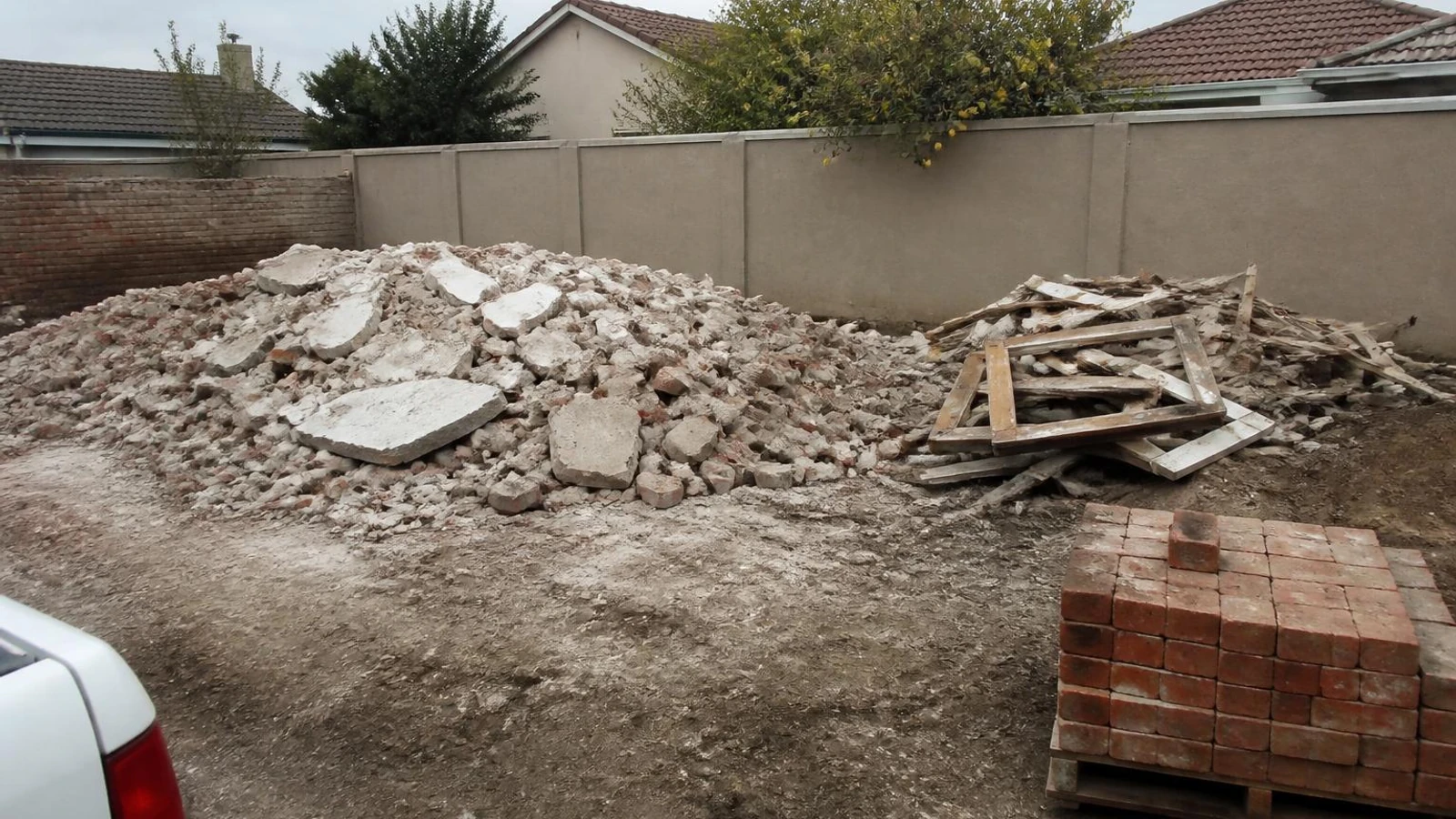
Demolition Debris Removal Cape Town
A knock-down leaves a heap far bigger than the wall it came from, and in Cape Town the paperwork follows the debris all the way to the weighbridge. Here is the order it runs in, and how to get the plot clear without a problem at final inspection.
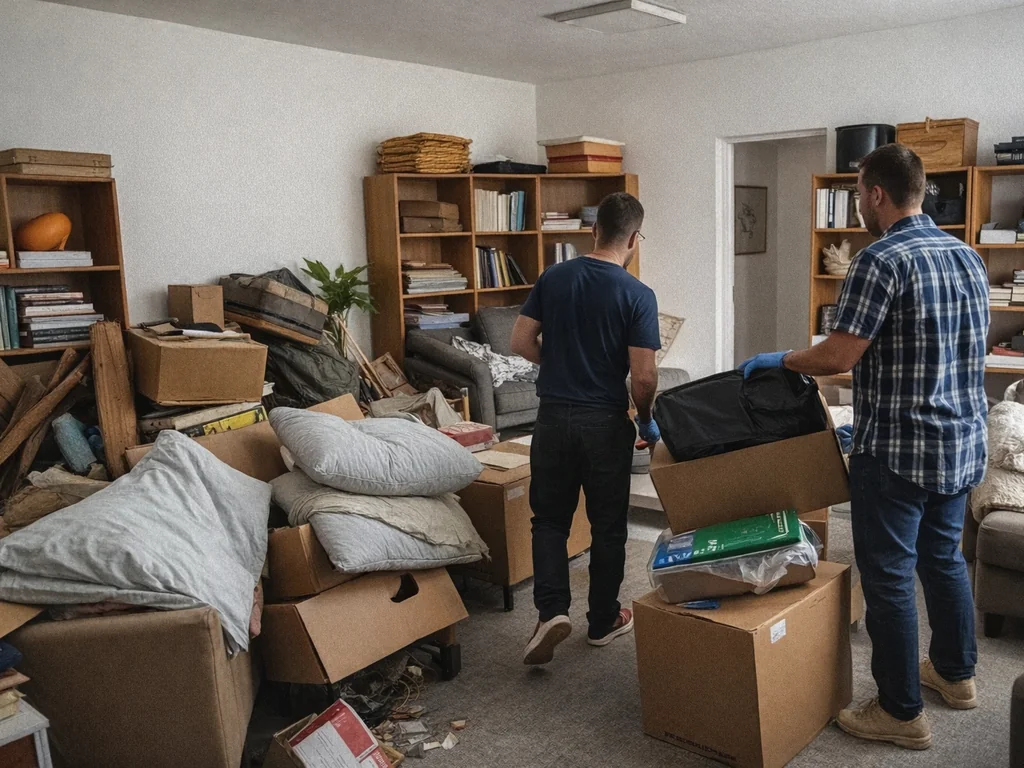
Bulky Waste Collection Cape Town
Cape Town has no bulky waste round. The City collects what fits in your wheelie bin, and everything larger is yours to move — so the real question is whether a skip or a one-off collection suits the size of the load you are actually looking at.
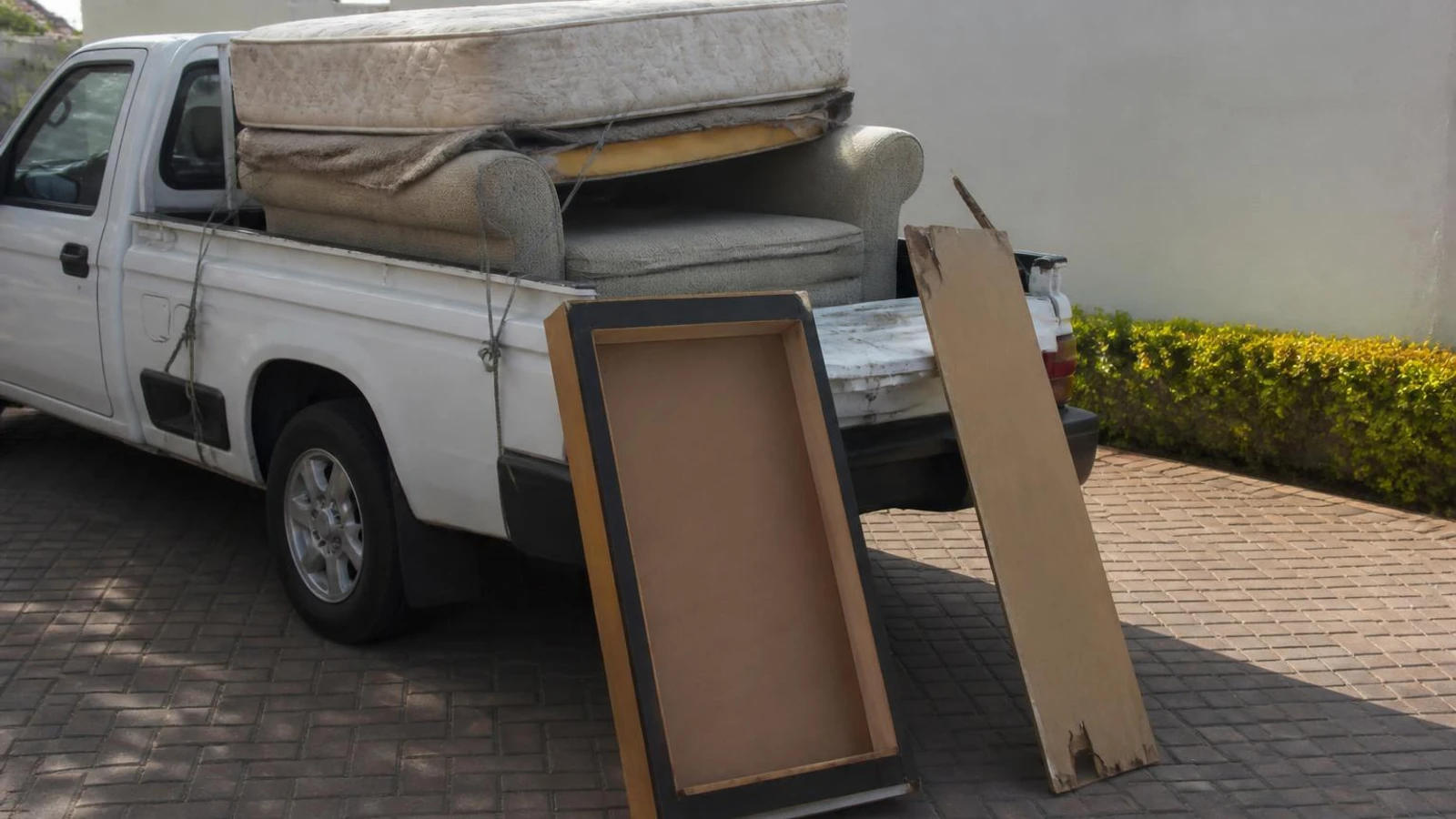
Mattress & Furniture Removal Cape Town
A mattress is the one thing in a house that nobody has a plan for. Here's how mattress and old furniture removal actually works in Cape Town — the municipal rules, who takes a donation, and when a paid collection is the sensible answer.