Garden Refuse Removal in Cape Town: Costs, Rules & the Compost Question
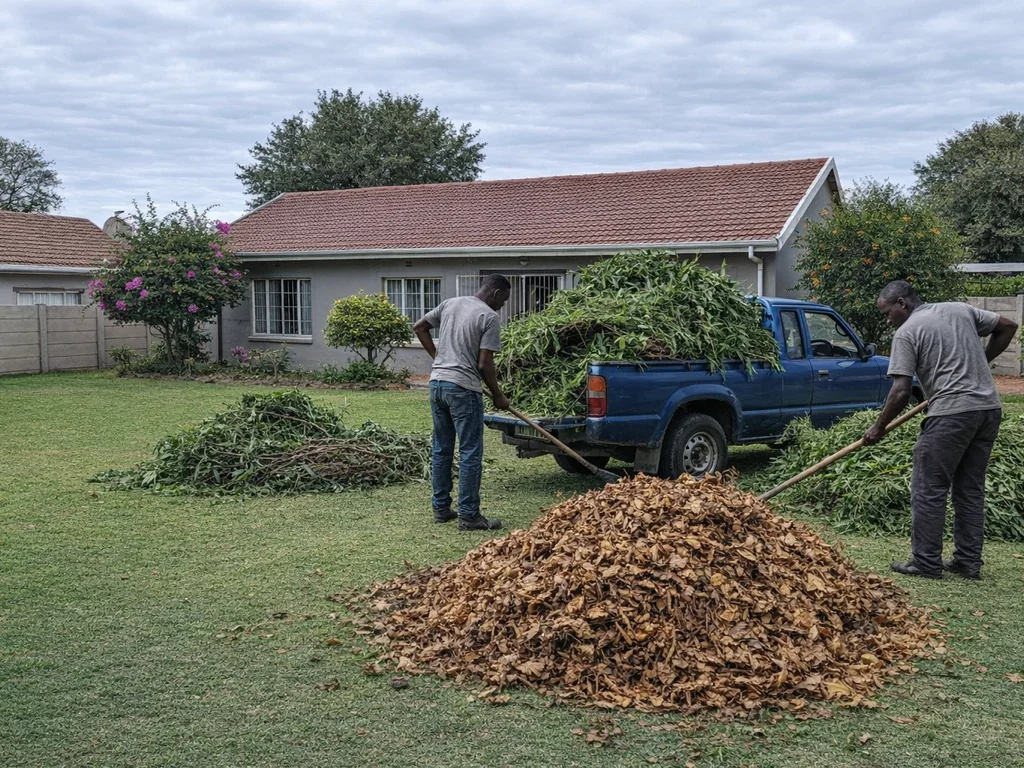
Garden refuse is the most-misunderstood waste stream in Cape Town. People throw it in the black bin and then wonder why the bin men leave it on the kerb. They mix it with rubble and watch the dump-site fee triple. They pay a crew R900 to remove what could have gone to a compost plant for free. This post sorts it out: what the City actually calls garden refuse, where to dispose of it cheaply, the seasonal volume curve, and when the answer is "compost it yourself instead."
Key takeaways
- Garden refuse is plant-derived only — grass, leaves, soft prunings, weeds. Plastic pots and irrigation pipe count as general waste.
- The 25 City drop-offs take small residential garden loads free of charge; Bellville South Compost Plant is a production facility, not a public tip.
- 70% of annual volume hits in autumn (Apr–Jun) and spring (Sept–Nov) — book a fortnight ahead.
- Mulching on the lawn returns 60% of the autumn leaf-drop to the soil with zero handling.
What counts as garden refuse in Cape Town?
City of Cape Town defines garden refuse fairly tightly. It's the organic, plant-derived material that comes out of a domestic garden: grass clippings, leaves, hedge trimmings, soft prunings, small branches, weeds and pulled-up plants. That's it.
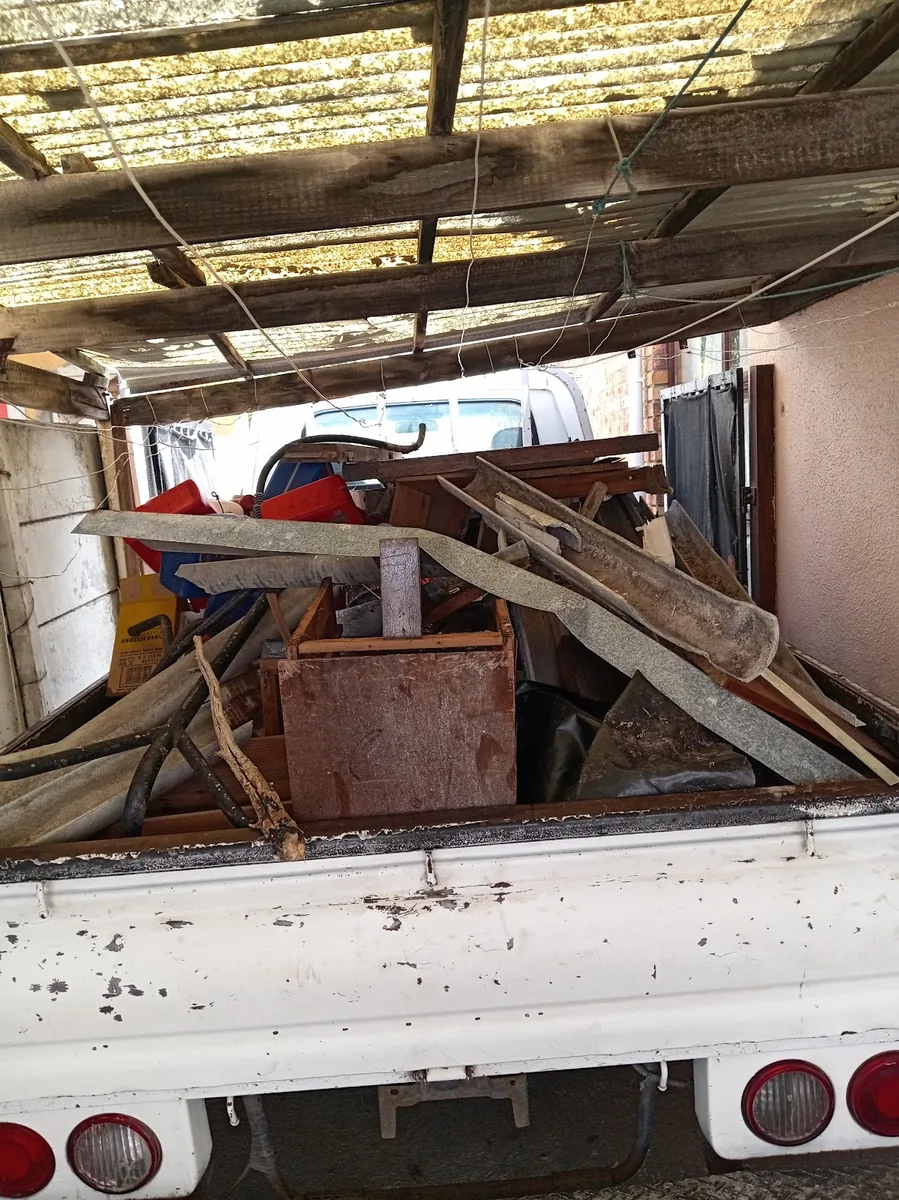
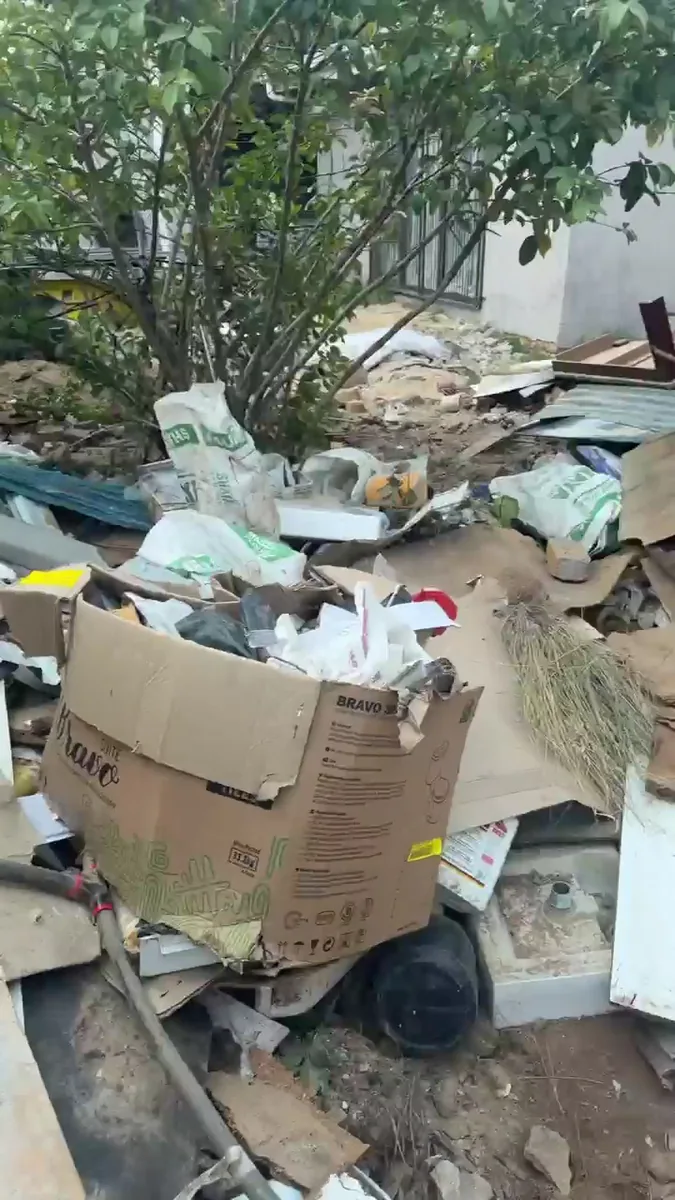
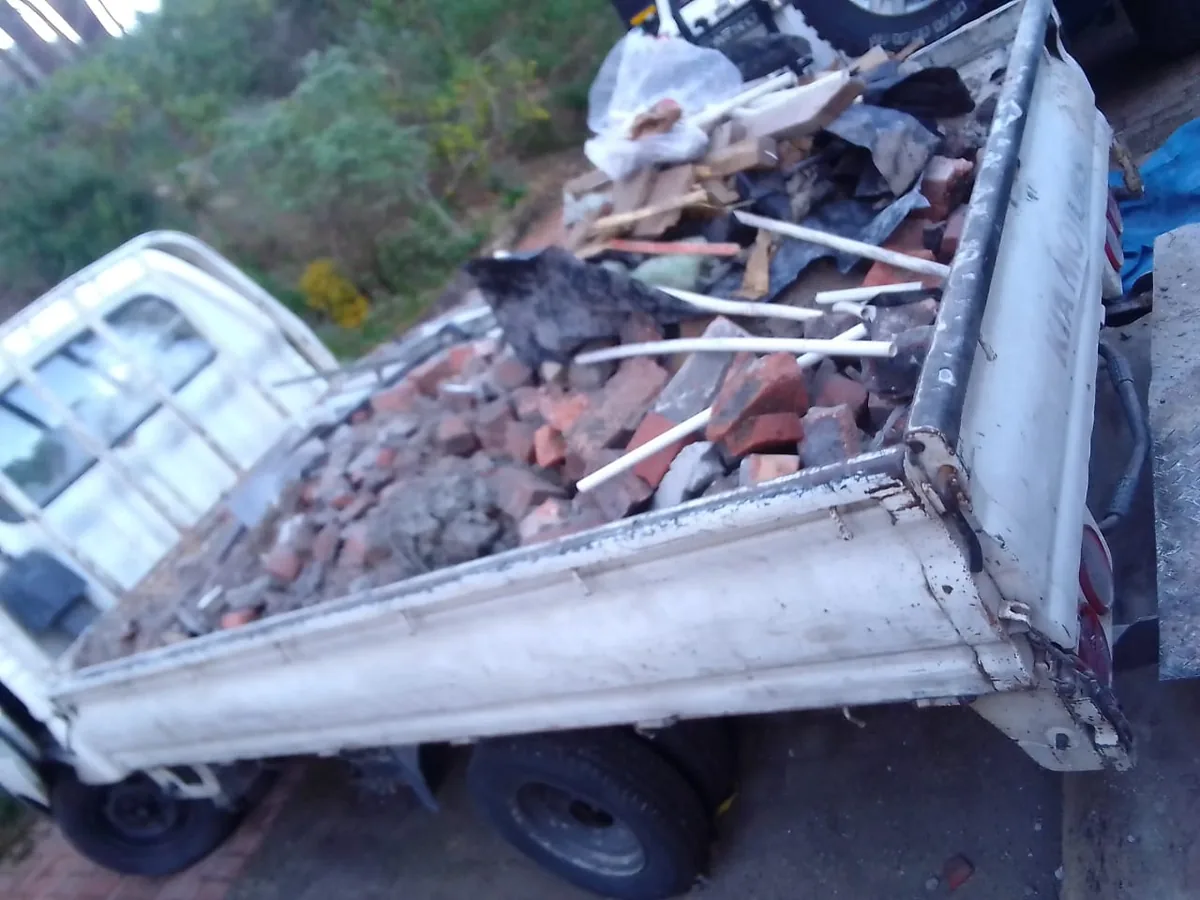
Everything else from a garden falls under "general waste" or a different stream entirely: plastic plant pots, broken irrigation pipe, treated wood, cement plant stands, the old pool noodle that ended up in the flower bed. They might come out of the same wheelbarrow but they don't go to the same place.
The distinction matters because of compost. The City runs dedicated composting operations — most importantly the Bellville South Compost Plant — that turn pure garden refuse into a saleable soil amendment. Contaminate the stream with a single plastic seedling tray and the whole batch fails. That's why the gate staff at compost-accepting sites are particular about what comes off your bakkie.
Where can I drop garden refuse for free in Cape Town?
The City's setup for free residential garden disposal is straightforward:
- Any of the 25 City of Cape Town drop-offs: every one of them has a dedicated garden-refuse bay. Small residential loads (vehicles of 1.5 tons or less, up to three loads per user per day) go in free of charge. The drop-offs forward their garden stream to one of the City's composting operations.
- Bellville South Compost Plant: on Sacks Circle, this is the City's compost-production facility — open Monday to Friday 07:30–16:00 — that processes the garden refuse routed in from drop-offs and contractors. The everyday residential route is the nearest drop-off, not the plant itself.
- Kerbside collection in select areas: a handful of suburbs still run a dedicated garden bag service that pre-dates the wheelie bin rollout — your ward councillor or the City's call centre on 0860 103 089 will confirm whether yours is still on the route.
See the main site for suburb-specific routing notes, and don't bring a load of mixed rubble-and-garden expecting the free rate — that gets routed to a landfill instead.
Can I put garden refuse out for kerbside collection?
Cape Town's weekly municipal collection runs the black 240-litre wheelie bin. Garden refuse can go in it, but with a hard limit: it has to fit inside the bin with the lid closed. Anything stacked on top, leaning against, or bagged next to the bin is not collected and gets fined under littering bylaws if it's left out.
A 240-litre wheelie bin holds roughly half a cubic metre of compacted garden refuse. That covers a small lawn-and-flowerbed weekly trim. Anything bigger — an autumn leaf-fall in a treed garden, a hedge cut, an overgrown spring tidy — fills the bin in one go and you need either a tip-run or a booked garden refuse collection in Cape Town.
The other catch is that the bin has to be at the kerb by 06:00 on collection day. Crews won't double back. If yours is behind a closed gate at 07:30 it sits there until next week, by which time it'll be properly full and starting to smell.
Do you collect branches and tree-felling waste?
Soft prunings under about 50mm thick — the rosemary cut-back, the hedge trim — are normal garden refuse and go in the bin or the bakkie load like everything else.
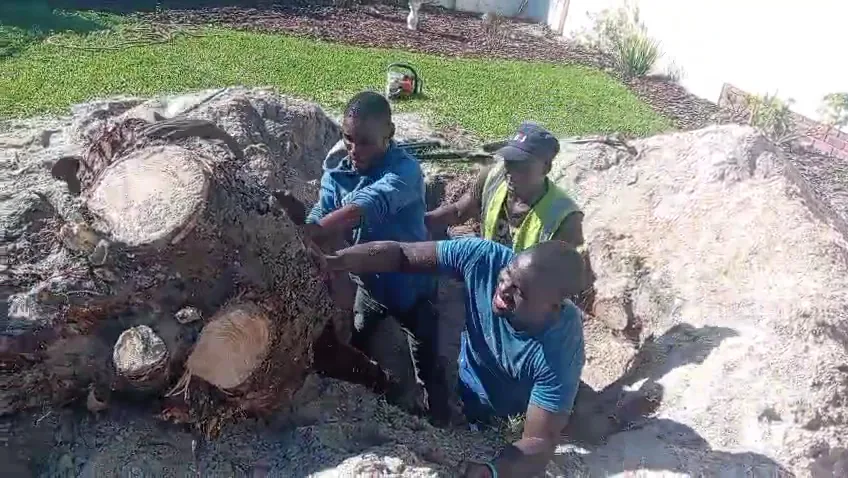
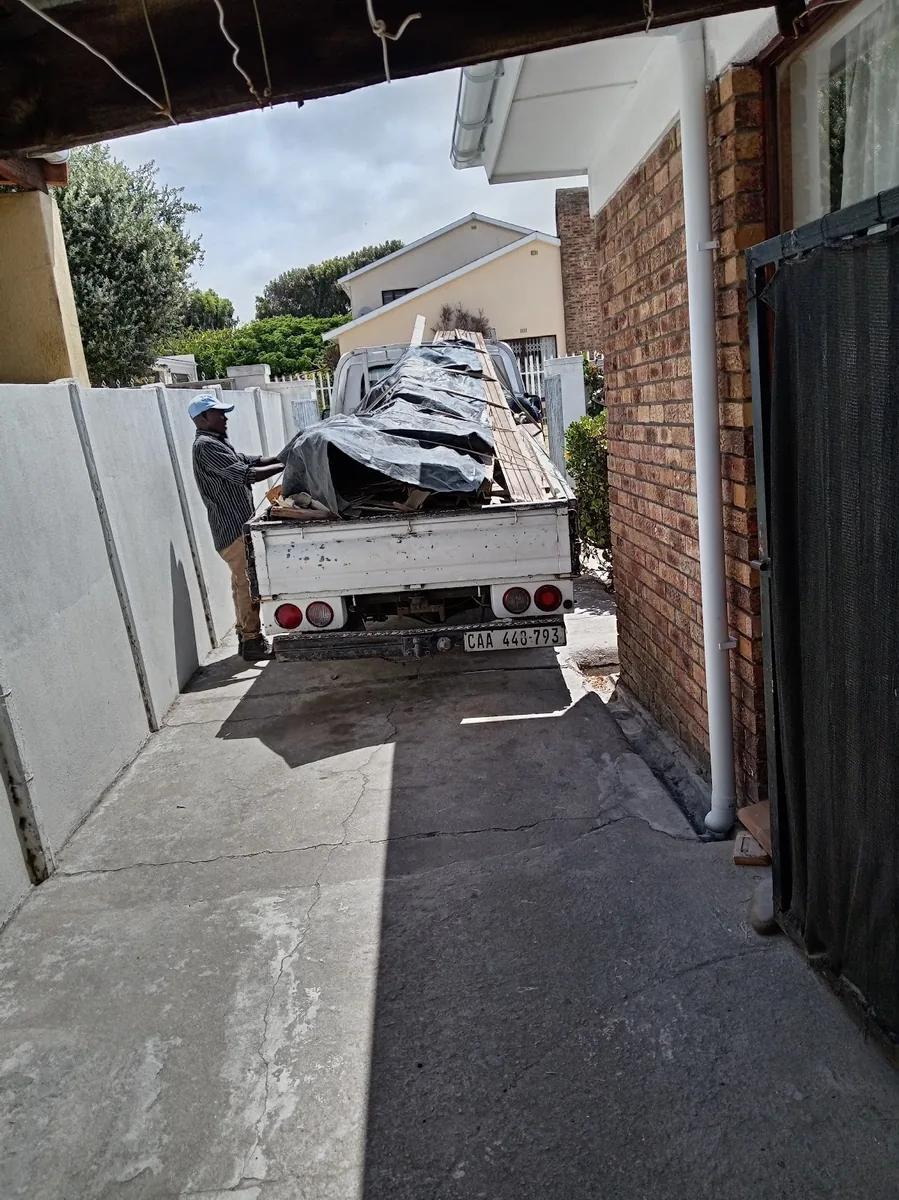
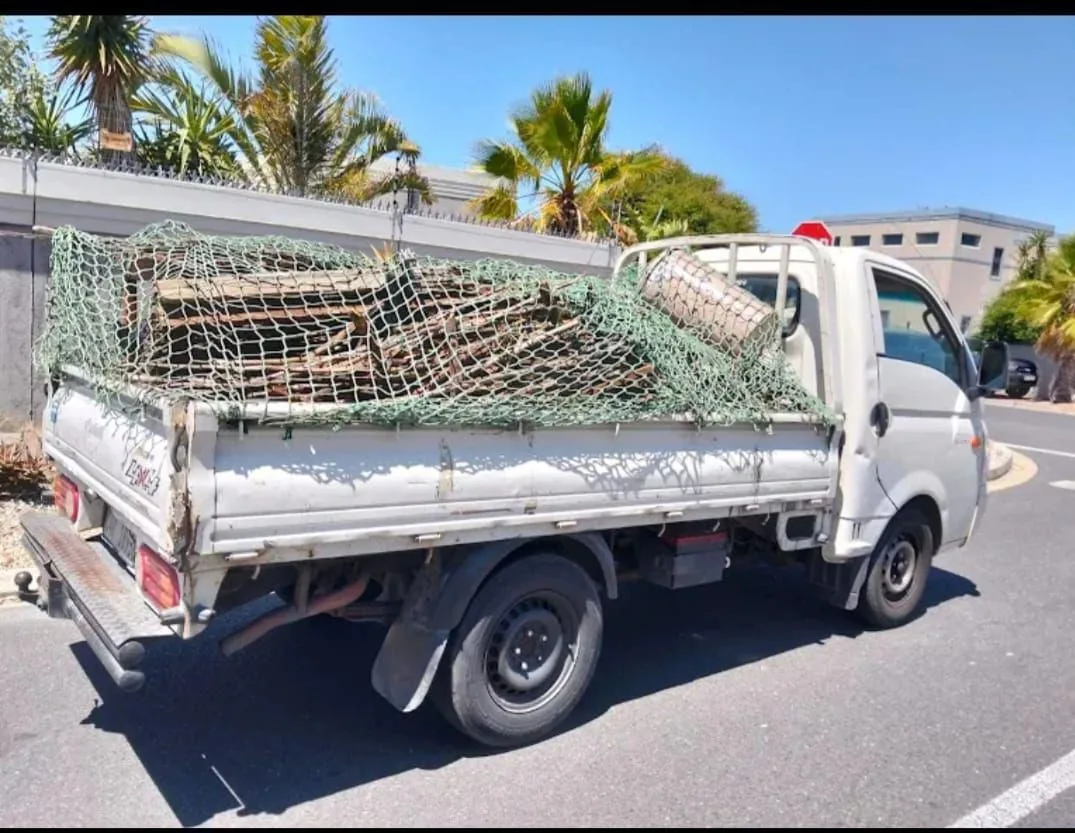
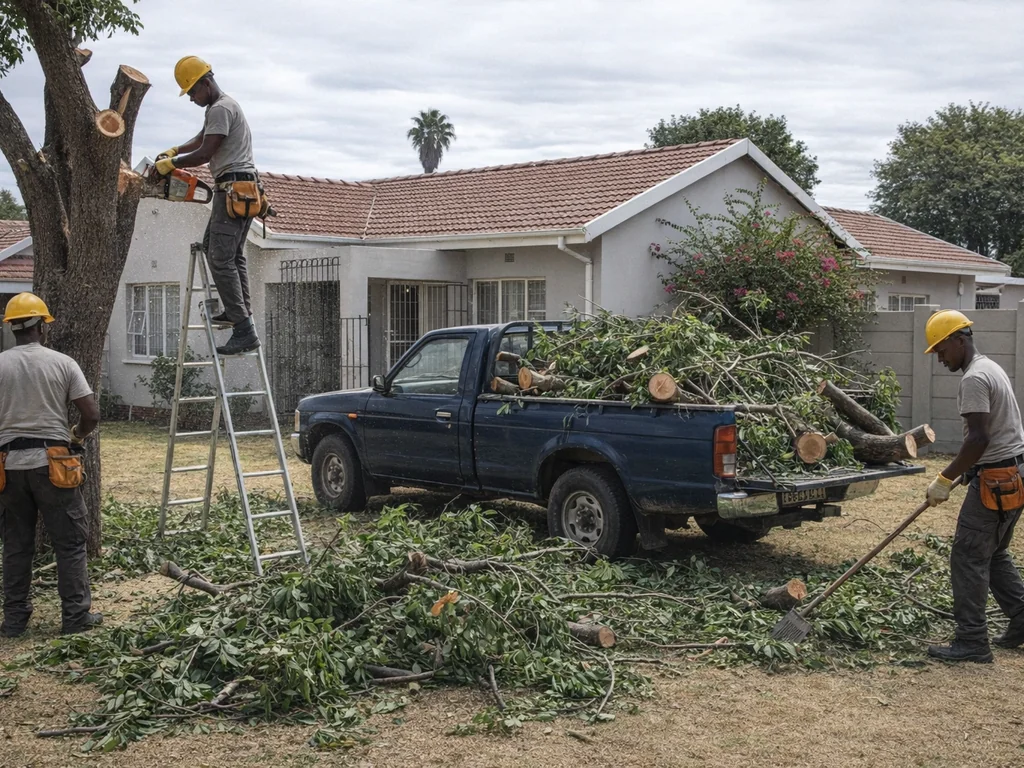
Branches over 50mm get awkward. They jam wheelie bins, they don't crush down in a tipper, and the compost plants can't run them through their primary shredders. Most Cape Town crews — ours included — will take small quantities of branch material if it's pre-cut to 1.2m lengths and bundled. We won't take whole un-cut trees, milkwood stumps or palm crowns; those need a tree-felling specialist with a chipper on the truck.
The honest rule of thumb: if a single person can lift it and snap it across their knee, a rubble crew will load it. If it needs a chainsaw, it needs a chainsaw outfit.
When is Cape Town.s busiest garden refuse season?
Roughly 70% of a Cape Town garden's annual refuse comes out in two windows: the autumn leaf-drop (April–June) and the spring prune-and-tidy (September–November). Plane trees in Constantia and Newlands drop staggering volumes in May; the wind-stripped pines on the Atlantic seaboard add a layer of needles to the mix from June. By August everyone is staring at a back yard they've been pretending isn't there for three months.
Practical consequence: garden refuse crews book up in those windows. The same job that slots in next-day in February becomes a five-day wait in mid-May. If you're going to need a big garden clear, get on the schedule a fortnight early — or know that the cheapest option (taking it yourself) involves a Saturday queue at the drop-off because everyone else has the same idea.
Should I compost my garden refuse instead of removing it?
Pure brown garden refuse — dry leaves, small twigs, hedge trim that's been left to dry — is the single most useful free input a Cape Town garden has access to. A 100-litre compost bin sited in shade, layered with a small amount of kitchen veg-peel for nitrogen, will turn that brown matter into a forkable mulch in six to nine months. The same volume bought as bagged compost at a garden centre runs to R150 a sack.
The maths is honest: if you generate more than three or four black-bag-equivalents of garden refuse a year and have any garden bed at all, the second-cheapest waste-and-feed decision you'll make is composting half of it. (The cheapest is mulching — running the mower over the dry leaves on the lawn turns 60% of the autumn drop straight back into the soil with zero handling.)
Composting doesn't work for everything, though. Grass clippings in volume need layering or they go anaerobic and smell. Branches over a finger thick don't break down in a domestic bin's lifetime. Anything diseased, weeded-with-seedheads, or pulled from a flower bed with thorns goes to the compost plant, not the home bin — let the commercial-scale heat handle it.
When does it make sense to book a garden refuse collection?
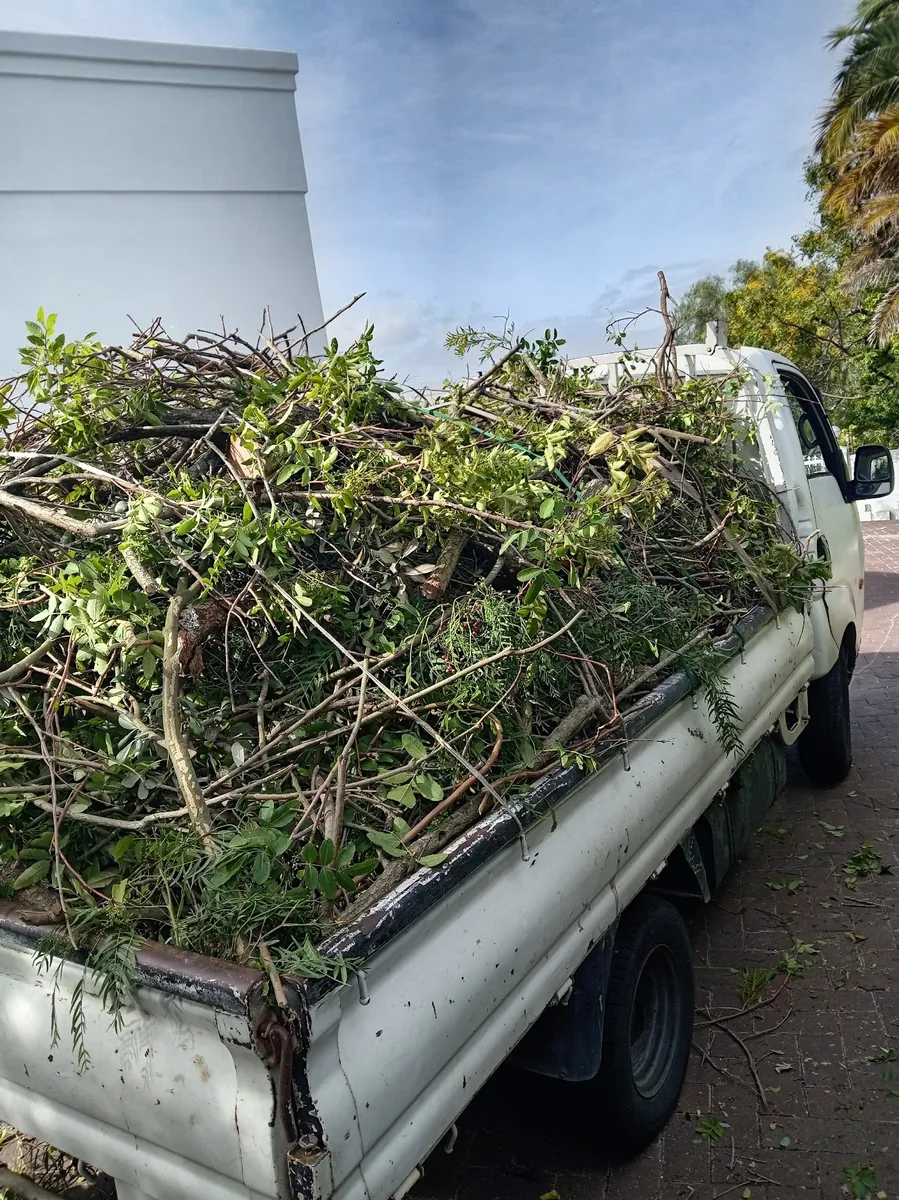
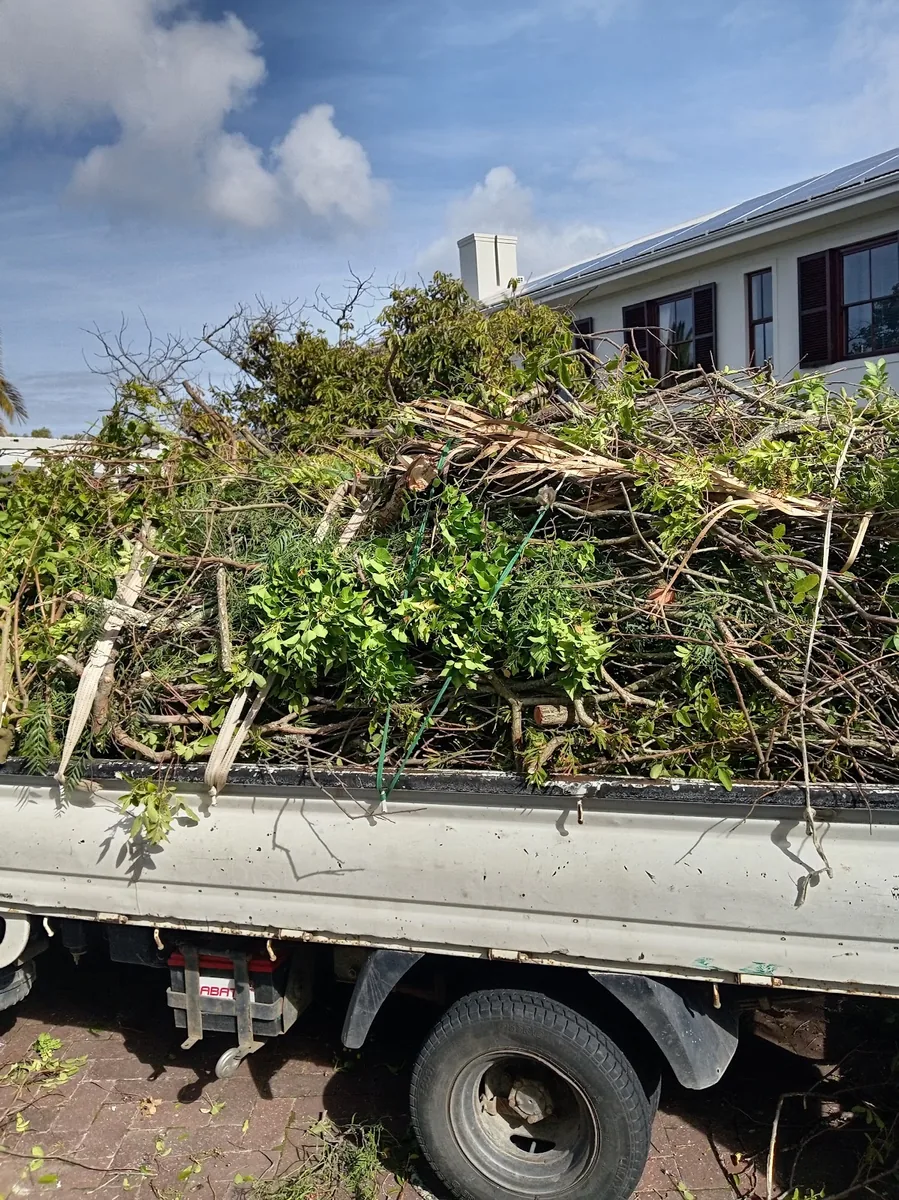
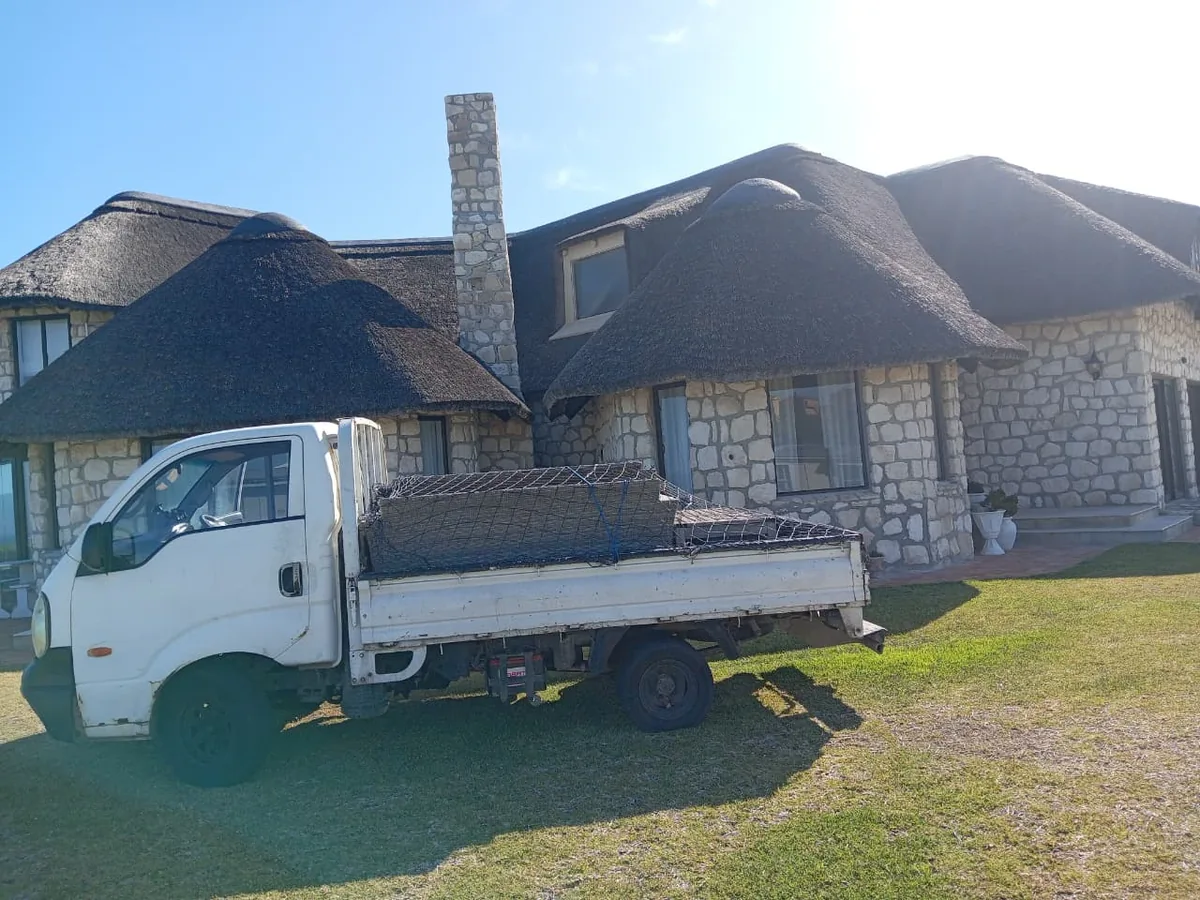
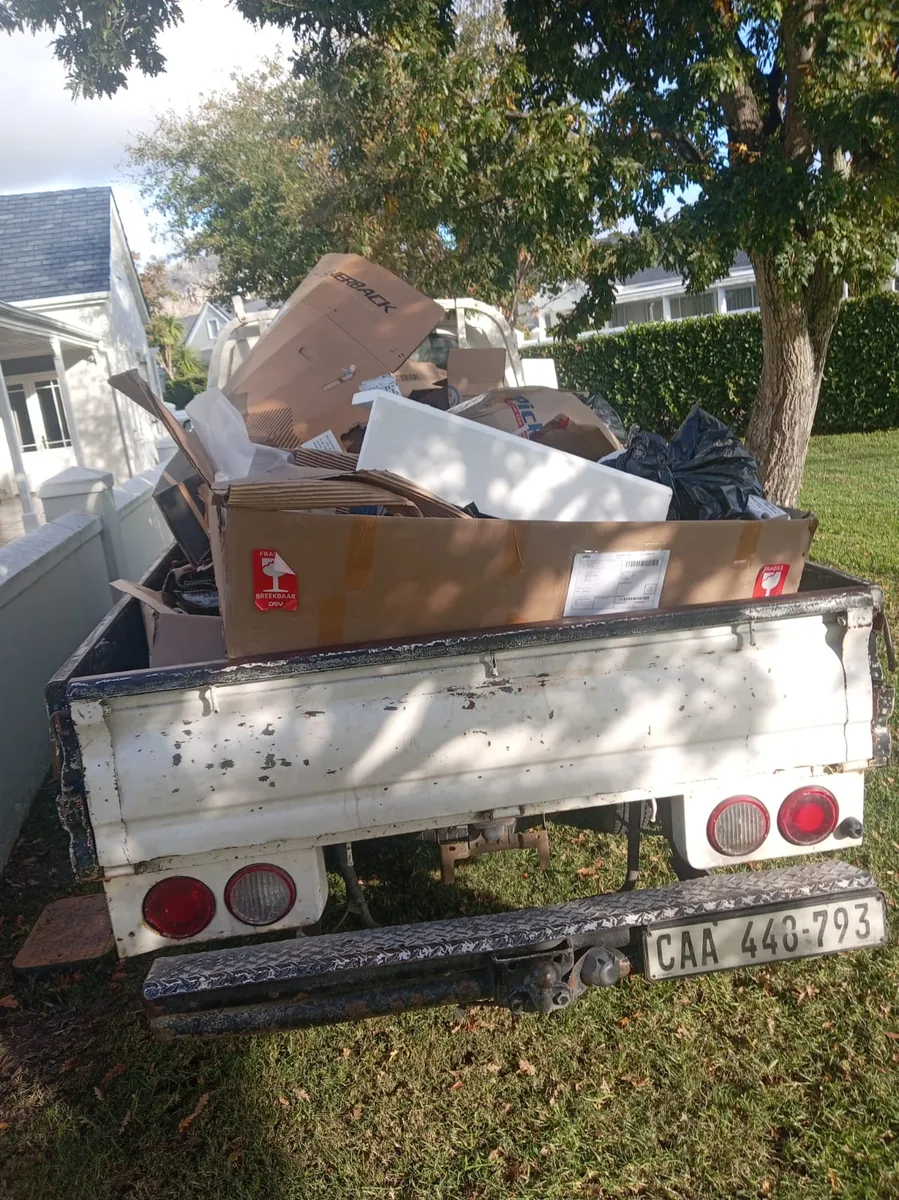
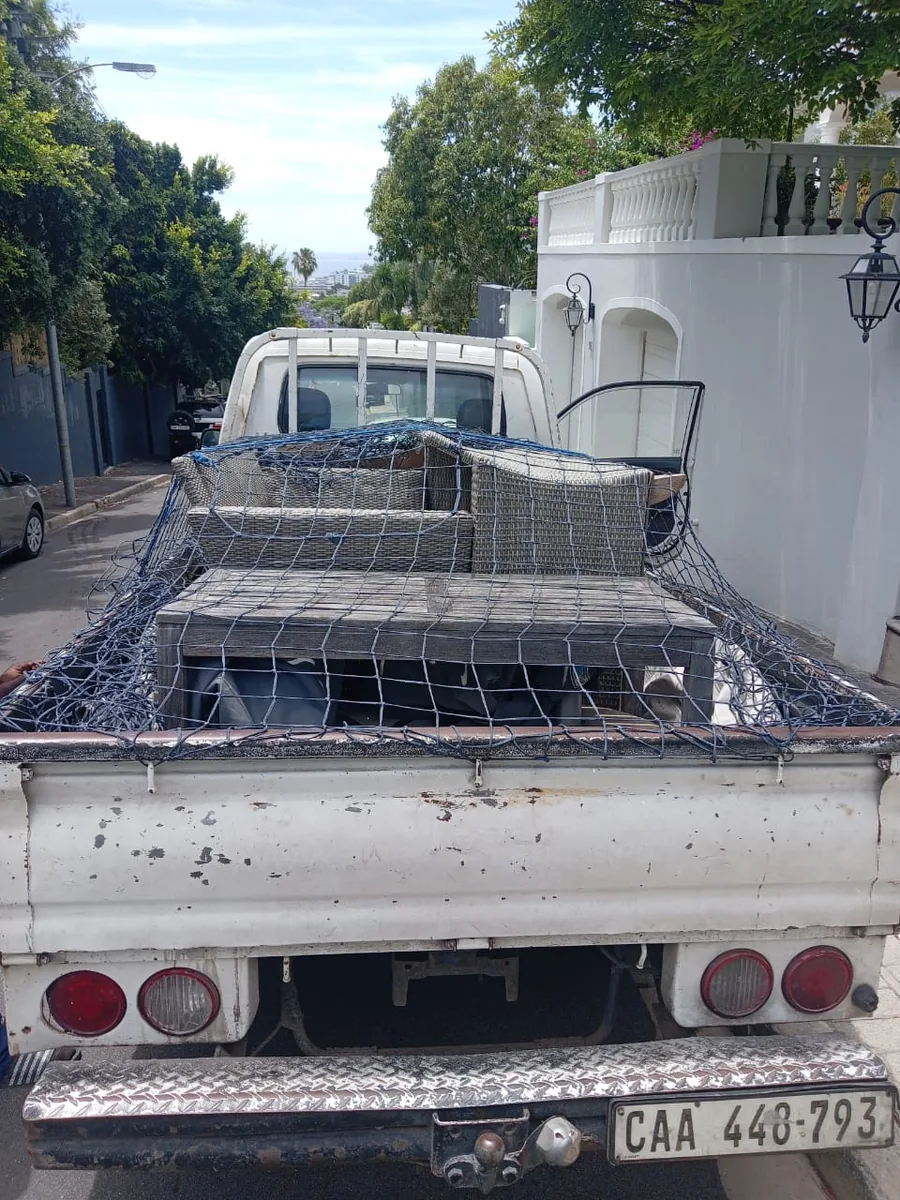
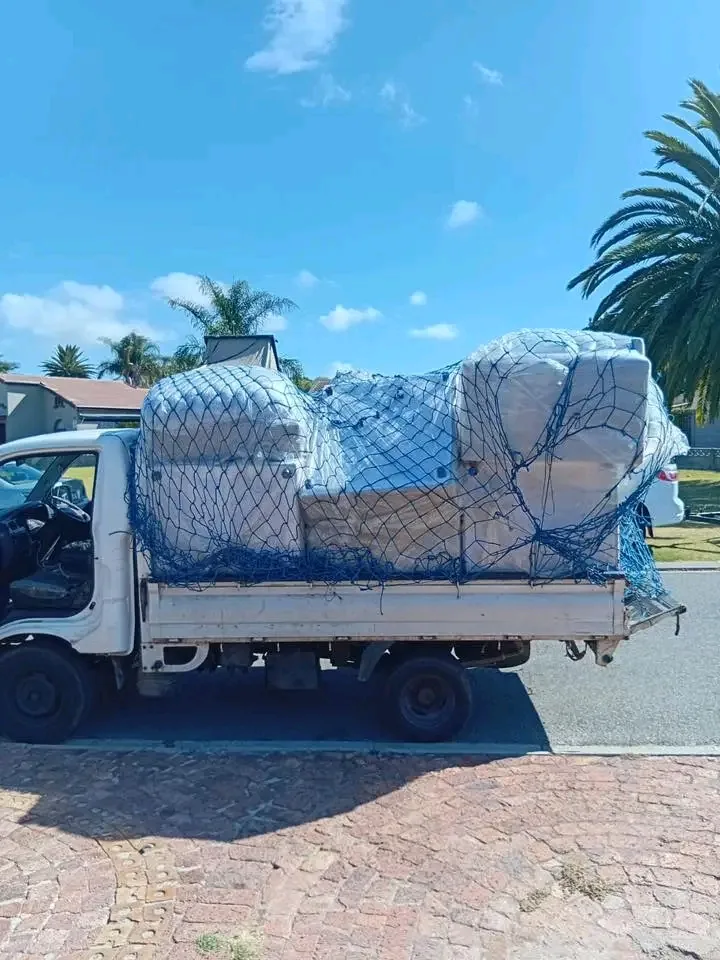
DIY drop-off works for boot-loads. Beyond that — half a garage filled with the prunings of a big spring tidy, three weeks of accumulated leaf-rake bags piled by the gate, a felled hedge with no plan for the off-cuts — a quoted collection takes the problem off your weekend for around R600–R1,200 for typical residential volumes. We load, we route to a compost plant where the load qualifies, and we leave the kerbside swept. Pricing breakdown by volume sits in the services overview.
Send three photos through the quote form and we'll come back with a firm number. If your garden refuse is genuinely clean (no plastic pots, no irrigation offcuts, no general bin overspill mixed in), it'll route to compost — which is the outcome you want for it anyway.
Keep reading
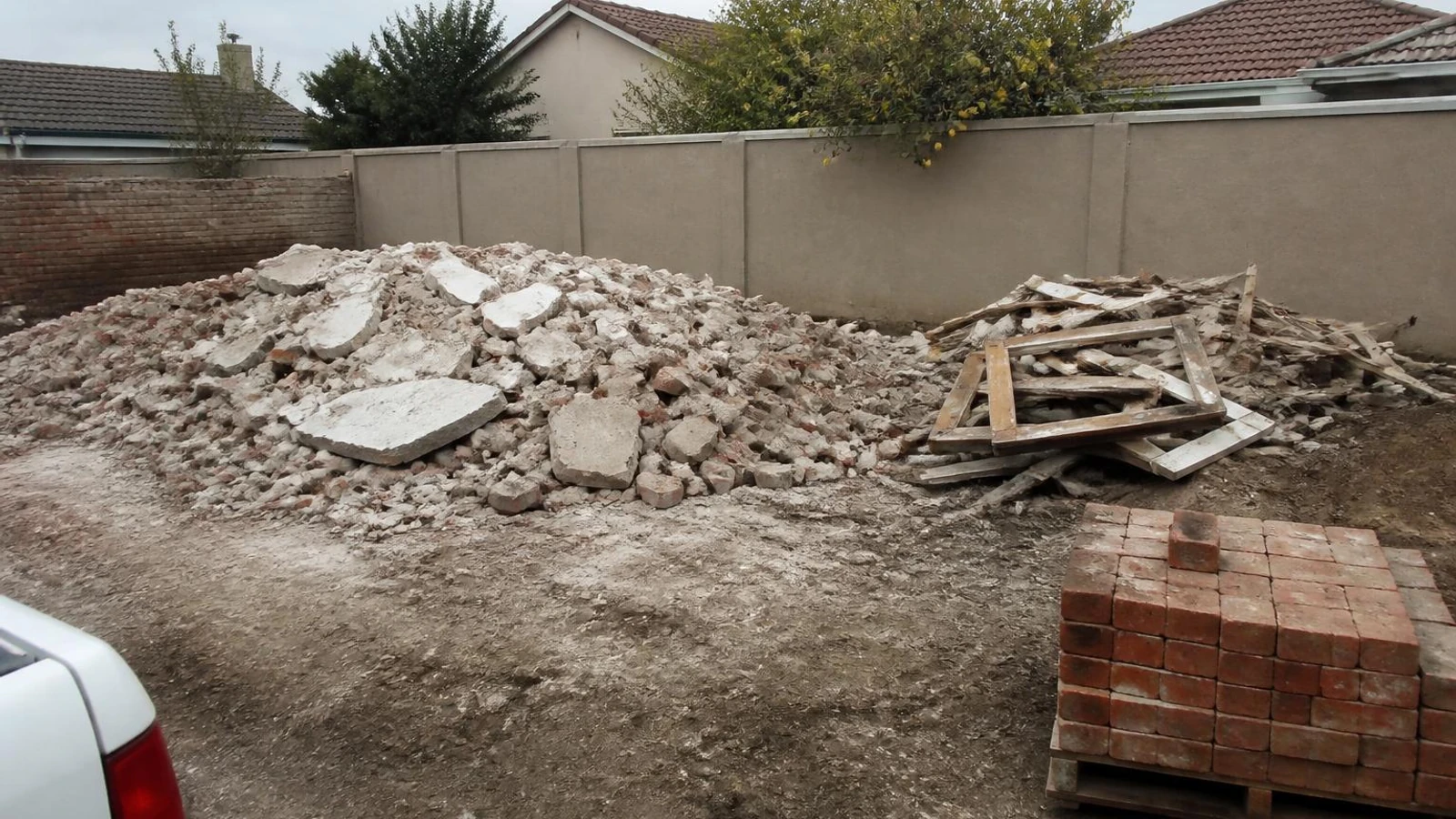
Demolition Debris Removal Cape Town
A knock-down leaves a heap far bigger than the wall it came from, and in Cape Town the paperwork follows the debris all the way to the weighbridge. Here is the order it runs in, and how to get the plot clear without a problem at final inspection.
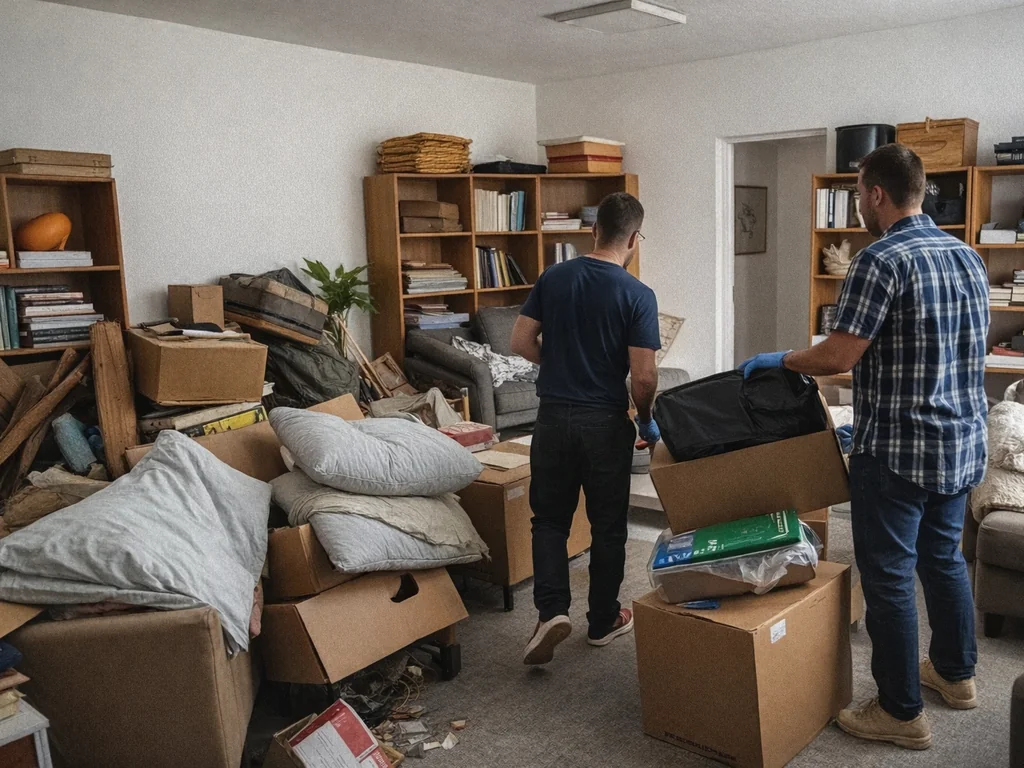
Bulky Waste Collection Cape Town
Cape Town has no bulky waste round. The City collects what fits in your wheelie bin, and everything larger is yours to move — so the real question is whether a skip or a one-off collection suits the size of the load you are actually looking at.
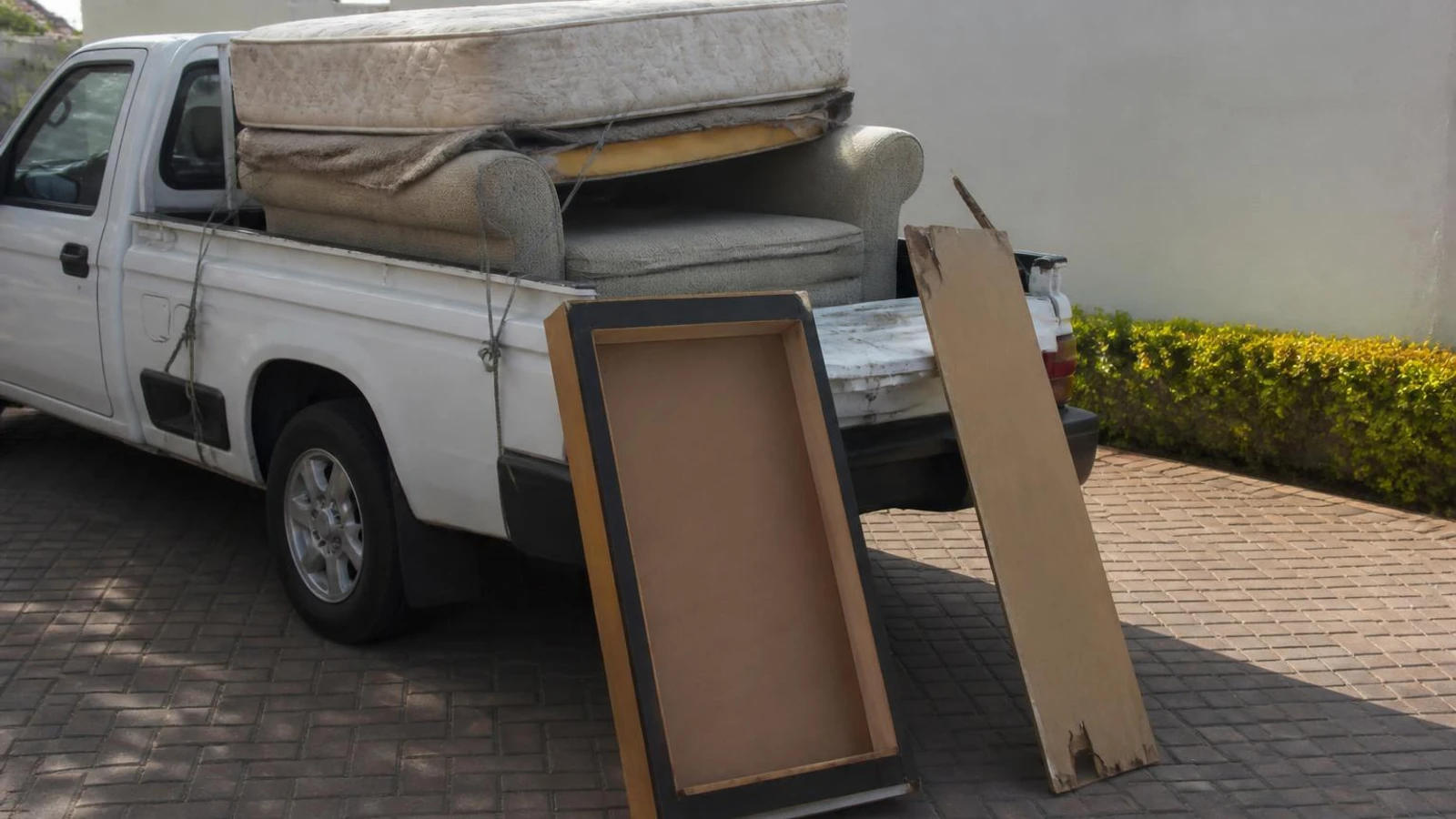
Mattress & Furniture Removal Cape Town
A mattress is the one thing in a house that nobody has a plan for. Here's how mattress and old furniture removal actually works in Cape Town — the municipal rules, who takes a donation, and when a paid collection is the sensible answer.